
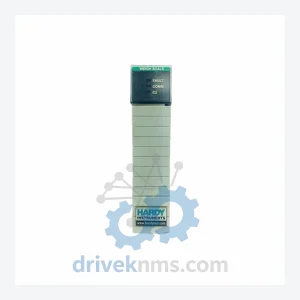
HARDY 1756-2WS Weigh Scale Module ControlLogix-Compatible Weighing I/O for Industrial Process Control
Hardy 1756-2WS is listed for ControlLogix RFQ review. Confirm quantity, condition and destination before quotation.
RFQ-ready industrial model
Model: 1756-PA75K
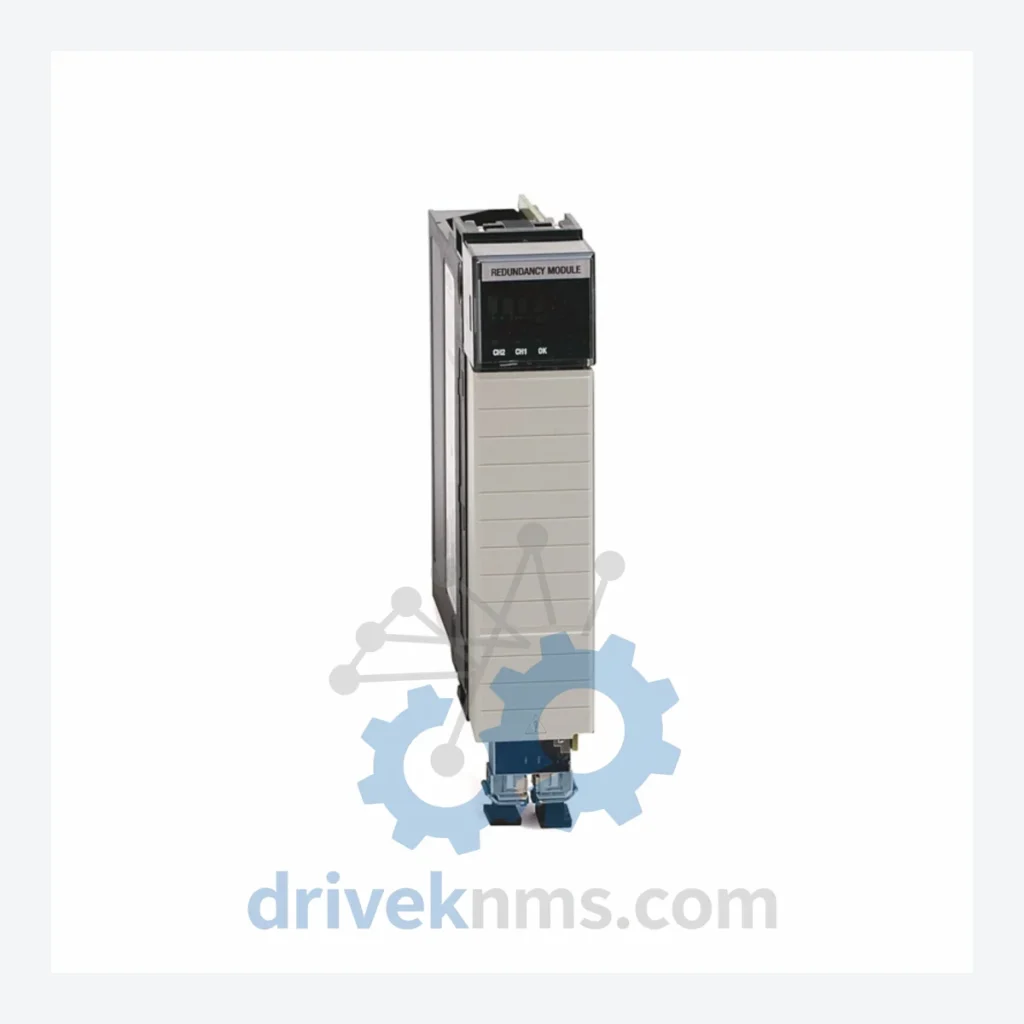
Product Overview
Commercial availability is handled through direct RFQ, model verification and export-oriented follow-up rather than public cart checkout.
Datasheet Preview
Use attached product manuals when available. If the manual is not public yet, request the full file directly through RFQ.
Commercial Path
Product pages on DRIVEKNMS are designed to verify model, brand and series first, then move the buyer into one clean quotation path.
Technical Dossier
The Allen-Bradley 1756 ControlLogix platform is one of the most widely deployed programmable automation controller (PAC) architectures in global heavy industry. Installed across petrochemical refineries, nuclear power generation facilities, offshore oil & gas platforms, pulp and paper mills, and large-scale water treatment infrastructure, the 1756 chassis-based system has served as the backbone of process and discrete manufacturing automation since its commercial introduction in the late 1990s. Its modular backplane architecture, deterministic communication via ControlNet and EtherNet/IP, and redundancy-capable CPU configurations make it the reference standard for safety-critical and high-availability control applications. The 1756-PA75K AC power supply module is a core infrastructure component within this ecosystem, providing 75W of regulated DC bus power to the 1756 chassis from a 85–265V AC input source.
The ControlLogix platform was introduced by Rockwell Automation in 1997 as a successor to the PLC-5 and SLC 500 families, designed to unify discrete, process, motion, and safety control within a single chassis. The original 1756-L1 and 1756-L20 processors established the Logix execution engine and tag-based programming model that persists through current generations.
The architecture has evolved through three identifiable generations. The first generation (1997–2005) established the chassis, backplane, and initial I/O module library. Power supplies in this era included the 1756-PA72 and 1756-PB72, rated at 72W. The second generation (2005–2015) introduced the L6x processor series with expanded memory and integrated motion capabilities, alongside updated power supply modules including the 1756-PA75 and 1756-PB75 with improved thermal management. The third generation (2015–present) introduced the L8x series processors with dual-port EtherNet/IP, CIP Security, and enhanced diagnostics. The 1756-PA75K is the current-generation AC power supply, backward-compatible with all 1756 chassis variants from 4-slot to 17-slot configurations.
Compatibility considerations are critical for maintenance engineers: L1x–L4x processors require Series A/B I/O modules and are incompatible with Series C firmware revisions on certain analog modules. EtherNet/IP adapter modules (1756-ENBT vs. 1756-EN2T vs. 1756-EN3TR) differ in port count, DLR support, and CIP Security capability. Power supplies are chassis-agnostic but must be matched to the available AC or DC plant supply voltage.
Power Supply Modules
Controller / CPU Modules
Digital Input (DI) Modules
Digital Output (DO) Modules
Analog Input (AI) Modules
Analog Output (AO) Modules
Communication & Network Adapter Modules
A significant portion of installed 1756 ControlLogix systems worldwide operate on hardware that Rockwell Automation has placed on the Product Discontinuation (PD) or End of Life (EOL) list. Modules such as the 1756-PA72, 1756-L63, 1756-DNB, and early-series I/O modules (Series A) are no longer manufactured but remain in active service at facilities where full system migration is not operationally or economically viable.
The 1756 backplane operates at a proprietary high-speed serial bus that requires functional validation beyond simple visual inspection. DriveKNMS applies a structured test protocol to all 1756 modules prior to dispatch:
Continue The Model Path
Move from this exact model into the matching system hub, brand archive, model-family archive or lifecycle sourcing route before sending a final RFQ list.
Related Paths
Hardy 1756-2WS is listed for ControlLogix RFQ review. Confirm quantity, condition and destination before quotation.
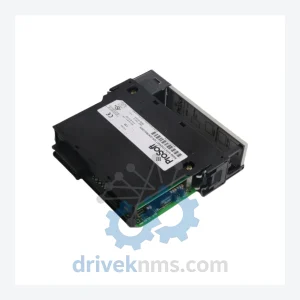
ProSoft Technology MVI56-GEC is listed for ControlLogix RFQ review. Confirm quantity, condition and destination before quotation.
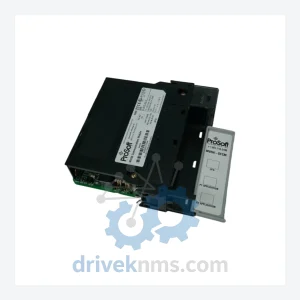
ProSoft Technology MVI56-DFCM is listed for ControlLogix RFQ review. Confirm quantity, condition and destination before quotation.