
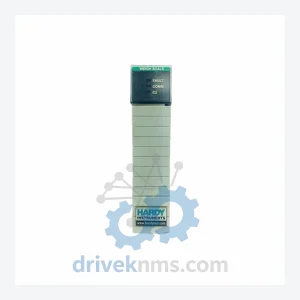
HARDY 1756-2WS Weigh Scale Module ControlLogix-Compatible Weighing I/O for Industrial Process Control
Hardy 1756-2WS is listed for ControlLogix RFQ review. Confirm quantity, condition and destination before quotation.
RFQ-ready industrial model
Model: 1756-RM2K
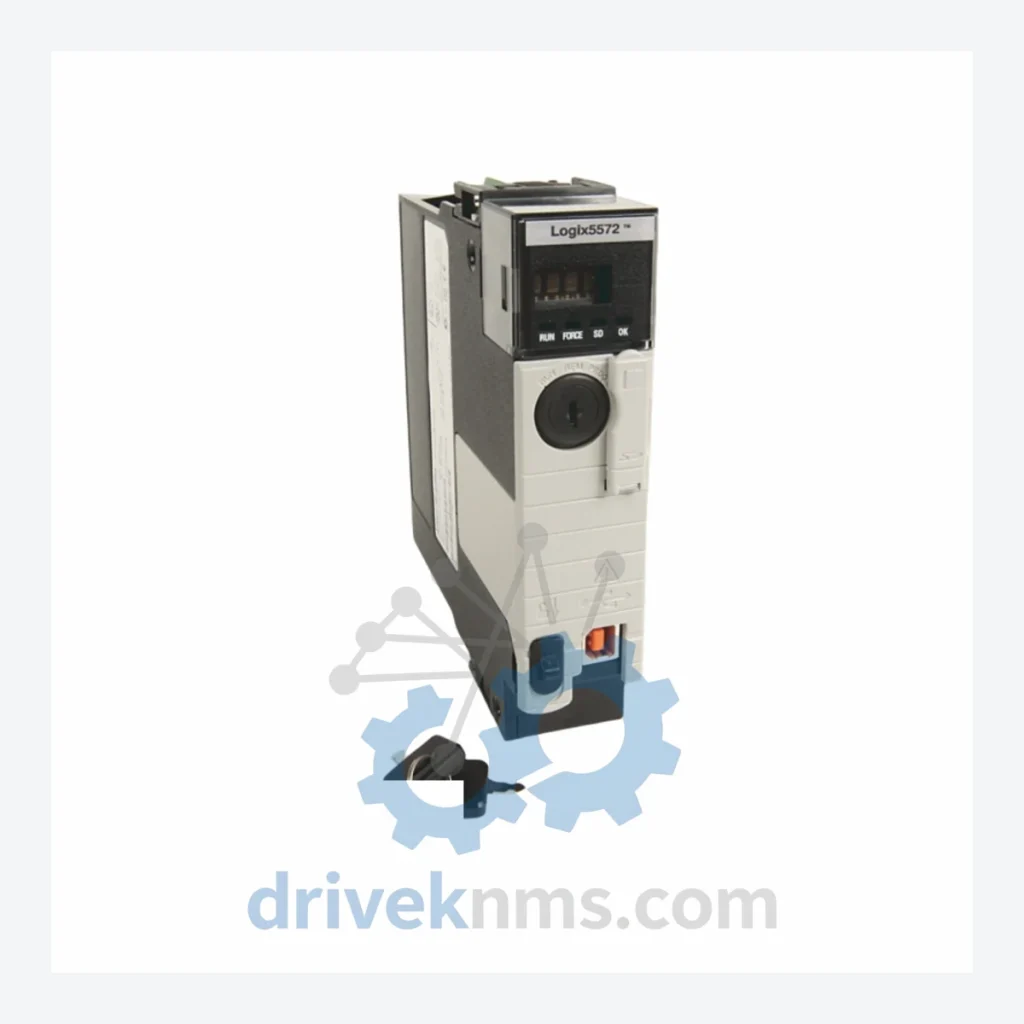
Product Overview
Commercial availability is handled through direct RFQ, model verification and export-oriented follow-up rather than public cart checkout.
Datasheet Preview
Use attached product manuals when available. If the manual is not public yet, request the full file directly through RFQ.
Commercial Path
Product pages on DRIVEKNMS are designed to verify model, brand and series first, then move the buyer into one clean quotation path.
Technical Dossier
RFQ support for obsolete parts: Send the model number, required quantity and destination so DriveKNMS can confirm sourcing options before quotation.
| Parameter | Detail |
|---|---|
| Part Number | 1756-RM2K |
| Manufacturer | Allen-Bradley / Rockwell Automation |
| Series | ControlLogix 1756 |
| Module Function | Chassis Redundancy Module |
| Backplane Interface | ControlLogix 1756 backplane |
| Redundancy Type | Hot-standby controller redundancy |
| Communication Port | Fiber optic (RMCT cable interface) |
| Product Status | Discontinued / Obsolete – No longer manufactured by Rockwell Automation |
| Compatible Systems | Allen-Bradley ControlLogix 1756 chassis; commonly paired with 1756-L6x and 1756-L7x series controllers |
| Country of Origin | United States |
The 1756-RM2K was engineered for one purpose: ensuring that a single controller failure does not bring down a critical process. In industries such as oil and gas, water treatment, pharmaceutical manufacturing, and power generation, this level of fault tolerance is not optional — it is mandated by process safety requirements and often by regulatory frameworks.
Rockwell Automation's end-of-life announcement for the 1756-RM2K series placed thousands of installed systems in an uncomfortable position. The successor architecture (1756-RM2 with Enhanced Redundancy) requires firmware upgrades, revised RMCT configurations, and in many cases, controller hardware changes. For a facility running a validated or safety-rated system, that migration path triggers requalification cycles that can take 12 to 24 months and consume engineering budgets that were never allocated for this purpose.
The practical alternative — sourcing a genuine 1756-RM2K from a verified secondary market supplier — allows maintenance teams to restore redundancy without touching the validated control architecture. One spare module, properly stored and tested, can extend the operational life of an existing ControlLogix redundancy system by 5 to 10 years. For asset-intensive industries where a single unplanned shutdown costs tens of thousands of dollars per hour, that calculation is straightforward.
Plant managers facing system retirement pressure from corporate asset teams should document the total cost of migration versus the cost of strategic spare procurement. In most cases, a small inventory of critical obsolete modules — including the 1756-RM2K — defers capital expenditure while maintaining full process availability. This is not a workaround; it is a recognized asset lifecycle management strategy used by maintenance organizations at major industrial facilities worldwide.
Every 1756-RM2K unit processed by DriveKNMS passes a structured 5-step quality verification protocol before it is offered for sale:
Units are classified and described accurately: new-in-box (NIB), factory-refurbished, or tested-used. No unit is represented as new unless it is confirmed to be in original, unopened manufacturer packaging.
How do I know the unit is genuine and not counterfeit?
All units are sourced through traceable supply channels. Physical authenticity markers — including label format, housing markings, and board construction — are verified against known-genuine references. We do not source from unverified brokers or auction platforms without prior inspection.
Can you source specific firmware revisions?
We will make reasonable efforts to match firmware revision requirements when specified at the time of order. Please provide your current controller firmware version and RMCT version when inquiring.
Continue The Model Path
Move from this exact model into the matching system hub, brand archive, model-family archive or lifecycle sourcing route before sending a final RFQ list.
Related Paths
Hardy 1756-2WS is listed for ControlLogix RFQ review. Confirm quantity, condition and destination before quotation.
ProSoft Technology MVI56-GEC is listed for ControlLogix RFQ review. Confirm quantity, condition and destination before quotation.
ProSoft Technology MVI56-DFCM is listed for ControlLogix RFQ review. Confirm quantity, condition and destination before quotation.