
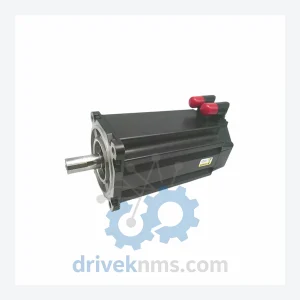
Allen-Bradley MPL-B540K-MJ74AA Servo Motor – Obsolete MPL Series Spare Part
Allen-Bradley MPL-B540K-MJ74AA is listed for Servo Drives RFQ review. Confirm quantity, condition and destination before quotation.
RFQ-ready industrial model
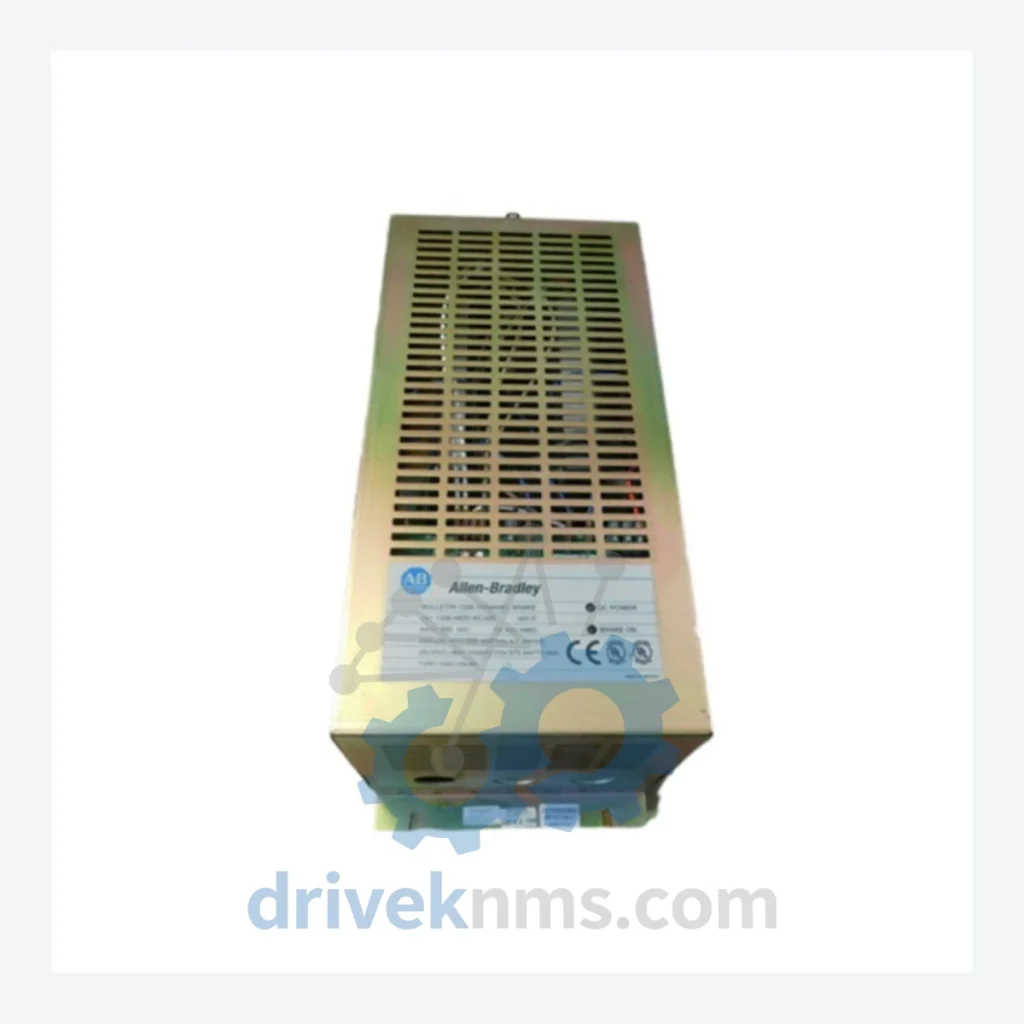
Model: 1336-MOD-KC005
Product Overview
Commercial availability is handled through direct RFQ, model verification and export-oriented follow-up rather than public cart checkout.
Datasheet Preview
Use attached product manuals when available. If the manual is not public yet, request the full file directly through RFQ.
Commercial Path
Product pages on DRIVEKNMS are designed to verify model, brand and series first, then move the buyer into one clean quotation path.
Technical Dossier
DriveKNMS maintains allocated inventory of the 1336-MOD-KC005 for industrial facilities that cannot afford unplanned capital expenditure on system-wide retrofits. This is not a commodity listing. Availability is limited and subject to change without notice.
RFQ support for obsolete parts: Send the model number, required quantity and destination so DriveKNMS can confirm sourcing options before quotation.
| Parameter | Detail |
|---|---|
| Part Number | 1336-MOD-KC005 |
| Manufacturer | Allen-Bradley / Rockwell Automation |
| Series | 1336 PLUS / 1336 PLUS II |
| Description | Dynamic Brake Kit |
| Voltage Range | 500–600V AC |
| Product Status | Discontinued / Obsolete (Rockwell Automation) |
| Country of Origin | United States |
| Compatible Systems | Allen-Bradley 1336 PLUS, 1336 PLUS II AC Drive Series |
Note: Electrical parameters beyond those listed above are not published here to avoid inaccuracy. Contact our technical team for application-specific verification.
The Allen-Bradley 1336 PLUS series was one of the most widely deployed AC drive platforms in North American and global manufacturing from the late 1990s through the 2010s. It is embedded in conveyor systems, pump stations, compressor controls, and multi-axis motion applications across industries including automotive, food processing, water treatment, and oil & gas.
Rockwell Automation's end-of-life declaration for the 1336 family did not retire the installed base — it transferred the maintenance burden entirely to the end user. Facilities running these drives now face a narrowing window: either locate verified spare parts through specialist distributors, or commit to a full system migration that disrupts production schedules and consumes capital budgets.
The 1336-MOD-KC005 dynamic brake kit is a load-side accessory that dissipates regenerative energy during deceleration cycles. In applications with high-inertia loads — centrifuges, large fans, hoists — the absence of a functional brake kit creates both process instability and potential drive damage. There is no generic substitute. The module is mechanically and electrically matched to the 1336 drive chassis. Substituting an incompatible unit risks drive fault, motor damage, or safety incidents.
Facilities that have invested in Allen-Bradley 1336-based drive systems can realistically extend operational life by five to ten years through a structured spare parts and maintenance protocol. The following approach is used by maintenance engineering teams managing legacy automation assets under capital deferral constraints:
This approach defers system replacement costs while maintaining production reliability — a defensible position for maintenance managers presenting capital deferral cases to plant leadership.
DriveKNMS applies a 5-step incoming inspection protocol to all obsolete and legacy spare parts before they enter available inventory:
Q: How do I confirm the part is new or quality-refurbished, not a counterfeit?
A: All units are sourced through documented supply channels. We provide condition disclosure (New / Refurbished-Grade A / Tested-Used) on every order. Traceability documentation is available on request. We do not list parts we cannot verify.
Q: Can you source other 1336 series modules?
A: Yes. DriveKNMS specializes in legacy and obsolete Rockwell Automation components. Contact us with your full bill of materials for a consolidated sourcing response.
Continue The Model Path
Move from this exact model into the matching system hub, brand archive, model-family archive or lifecycle sourcing route before sending a final RFQ list.
Related Paths
Allen-Bradley MPL-B540K-MJ74AA is listed for Servo Drives RFQ review. Confirm quantity, condition and destination before quotation.
Allen-Bradley 1756-L85E is listed for ControlLogix RFQ review. Confirm quantity, condition and destination before quotation.
Allen-Bradley 1394C-AM07 is listed for Servo Drives RFQ review. Confirm quantity, condition and destination before quotation.