
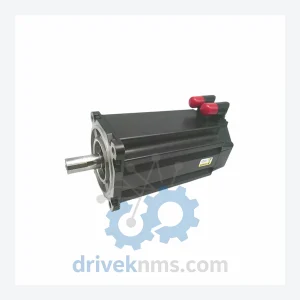
Allen-Bradley MPL-B540K-MJ74AA Servo Motor – Obsolete MPL Series Spare Part
Allen-Bradley MPL-B540K-MJ74AA is listed for Servo Drives RFQ review. Confirm quantity, condition and destination before quotation.
RFQ-ready industrial model
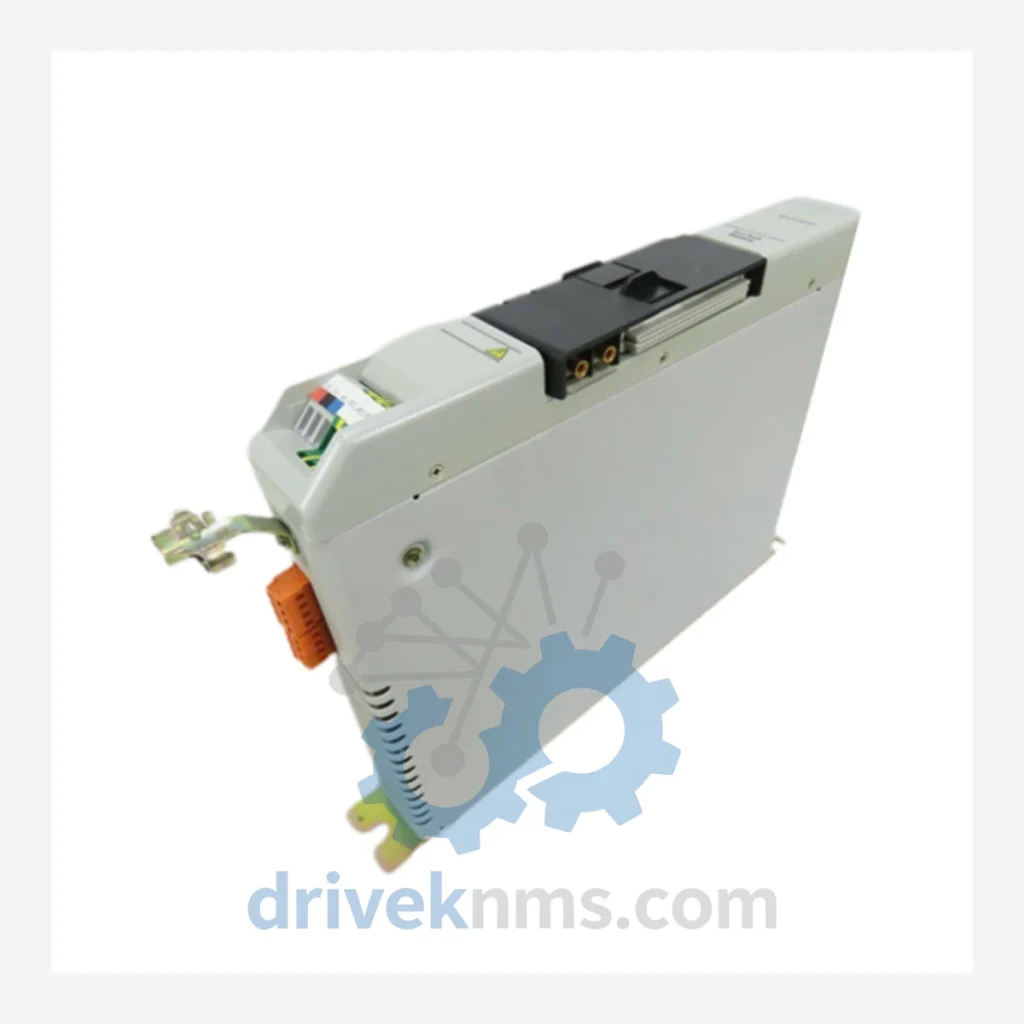
Model: 1394-AM07
Product Overview
Commercial availability is handled through direct RFQ, model verification and export-oriented follow-up rather than public cart checkout.
Datasheet Preview
Use attached product manuals when available. If the manual is not public yet, request the full file directly through RFQ.
Commercial Path
Product pages on DRIVEKNMS are designed to verify model, brand and series first, then move the buyer into one clean quotation path.
Technical Dossier
The Allen-Bradley (Rockwell Automation) 1394 Series is a multi-axis AC servo drive system engineered for high-precision motion control in continuous-process and discrete manufacturing environments. Deployed across petrochemical refineries, nuclear power auxiliary systems, automotive assembly lines, and paper mill winding applications, the 1394 platform established a benchmark for coordinated multi-axis servo control in the 1990s and 2000s. Its modular backplane architecture allows a single chassis to host a system controller alongside up to four axis modules, reducing panel footprint and simplifying inter-axis synchronization. Despite its end-of-life classification by Rockwell Automation, the 1394 Series remains installed in thousands of facilities worldwide, creating sustained demand for spare parts, repair services, and lifecycle extension support.
The 1394 platform was introduced in the mid-1990s as a successor to Rockwell's earlier 1391 and 1392 single-axis drive families. The core design philosophy shifted from standalone drives to a shared-bus, multi-axis chassis that allowed a single DC bus to power multiple servo axes simultaneously, improving energy efficiency and reducing wiring complexity.
Generation 1 (1394-SJT / GMT chassis): The original 1394 chassis used the SJT (Servo Junction Terminal) controller module paired with GMT (General Motion Task) axis modules. Communication relied on Rockwell's proprietary SERCOS fiber-optic ring, providing deterministic motion control at 2 Mbps and 4 Mbps ring rates. These units were programmed via RSLogix 5 or RSLogix 500 and integrated tightly with PLC-5 and SLC 500 controllers.
Generation 2 (1394-AM / BC axis modules): Subsequent revisions introduced the AM-series axis modules with expanded continuous current ratings (from 4A to 75A RMS) and the BC-series for smaller servo applications. The system controller was updated to support DeviceNet and Remote I/O communication, enabling integration with ControlLogix platforms via 1756-DHRIO or 1756-DNB bridge modules.
Transition to Kinetix: Rockwell Automation announced the 1394 Series as end-of-life and directed users toward the Kinetix 6000 (2094 Series) and Kinetix 6500 platforms. The Kinetix 6000 offers a functionally equivalent shared-bus multi-axis architecture with EtherNet/IP integration and CIP Motion support. Migration requires new servo motors (MPL or VPL series) and updated cabling, making direct drop-in replacement impossible without engineering effort. As a result, the 1394 installed base continues to rely on the secondary market for spare modules.
System Controllers
Axis Modules – AM Series
Axis Modules – BC Series (Compact)
Power Supplies / DC Bus Modules
Turbo / High-Performance Axis Modules
Communication & Interface Modules
For facilities operating 1394-based motion systems beyond their original design life, DriveKNMS provides the following lifecycle extension services:
The 1394 Series uses a shared DC bus backplane with high-frequency PWM switching at the axis module level. Standard visual inspection and power-on testing are insufficient to verify the integrity of the IGBT output stage, gate driver circuits, and SERCOS fiber transceiver. DriveKNMS applies the following test protocol to all 1394 units prior to shipment:
Continue The Model Path
Move from this exact model into the matching system hub, brand archive, model-family archive or lifecycle sourcing route before sending a final RFQ list.
Related Paths
Allen-Bradley MPL-B540K-MJ74AA is listed for Servo Drives RFQ review. Confirm quantity, condition and destination before quotation.
Allen-Bradley 1756-L85E is listed for ControlLogix RFQ review. Confirm quantity, condition and destination before quotation.
Allen-Bradley 1394C-AM07 is listed for Servo Drives RFQ review. Confirm quantity, condition and destination before quotation.