
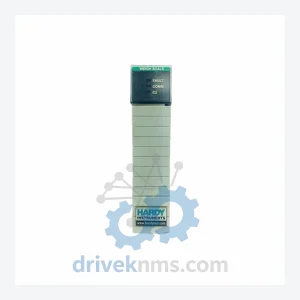
HARDY 1756-2WS Weigh Scale Module ControlLogix-Compatible Weighing I/O for Industrial Process Control
Hardy 1756-2WS is listed for ControlLogix RFQ review. Confirm quantity, condition and destination before quotation.
RFQ-ready industrial model
Model: 1756-CN2/C
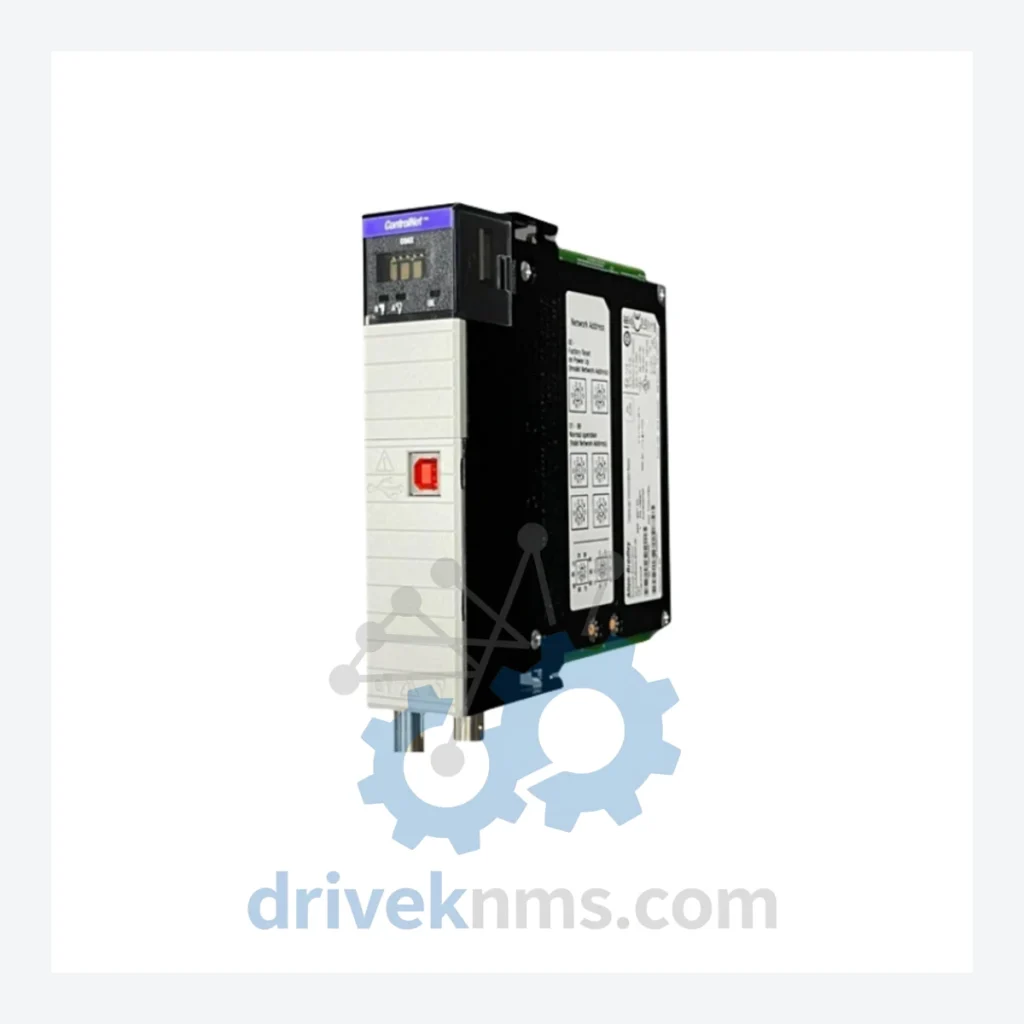
Product Overview
Commercial availability is handled through direct RFQ, model verification and export-oriented follow-up rather than public cart checkout.
Datasheet Preview
Use attached product manuals when available. If the manual is not public yet, request the full file directly through RFQ.
Commercial Path
Product pages on DRIVEKNMS are designed to verify model, brand and series first, then move the buyer into one clean quotation path.
Technical Dossier
DriveKNMS reviews sourcing status and documentation for this model during RFQ handling before quotation.
RFQ support for obsolete parts: Send the model number, required quantity and destination so DriveKNMS can confirm sourcing options before quotation.
| Manufacturer | Allen-Bradley (Rockwell Automation) |
| Part Number | 1756-CN2/C |
| Series | ControlLogix |
| Module Type | ControlNet Communication Bridge |
| Network | ControlNet (IEEE 802.4 token-passing) |
| Backplane Interface | 1756 ControlLogix chassis backplane |
| ControlNet Ports | 2 × BNC (redundant media capable) |
| Firmware Revision | Series C (verify compatibility with your RSNetWorx project) |
| Discontinuation Status | Discontinued by Rockwell Automation; no direct OEM replacement on the ControlNet platform |
| Compatible Systems | ControlLogix 1756 chassis (all slot widths); compatible with legacy ControlNet I/O, PowerFlex drives on ControlNet, and remote 1756 chassis bridging |
| Country of Origin | United States |
Rockwell Automation's ControlNet platform was the backbone of high-speed, deterministic I/O communication throughout the 1990s and 2000s. Thousands of facilities — petrochemical, automotive, food and beverage, water treatment — built their control architectures around ControlNet's scheduled bandwidth guarantees. The 1756-CN2/C served as the gateway between the ControlLogix processor rack and those ControlNet segments.
Rockwell has formally discontinued the 1756-CN2 product line and redirected customers toward EtherNet/IP-based architectures. The problem is that EtherNet/IP does not replicate ControlNet's scheduled transfer capability without significant re-engineering. A plant that built its safety-critical or motion-coordinated loops on ControlNet cannot simply swap in an Ethernet module and resume operations. The network topology, the RSNetWorx for ControlNet configuration database, the scheduled connection tables — all of it must be rebuilt from scratch.
How to extend your ControlLogix ControlNet system life by 5–10 years without a full migration:
Sourcing discontinued industrial hardware carries inherent risk. DriveKNMS applies a structured 5-step qualification process to every 1756-CN2/C unit before it leaves our facility.
Units that do not pass all five steps are not listed for sale. Condition grade (New Surplus, Refurbished, or Used-Tested) is disclosed on every order confirmation.
Q: How do I know the unit is genuine and not a counterfeit?
A: Every unit is inspected against Rockwell Automation's published physical authentication markers, including label format, catalog number stamping, and PCB markings visible through the enclosure vents. We do not source from unverified secondary markets. Provenance documentation is available on request.
Q: Can this module be used in a redundant controller configuration?
A: The 1756-CN2/C is compatible with ControlLogix redundancy configurations. Verify your specific redundancy firmware revision requirements against Rockwell's redundancy compatibility matrix before ordering.
Continue The Model Path
Move from this exact model into the matching system hub, brand archive, model-family archive or lifecycle sourcing route before sending a final RFQ list.
Related Paths
Hardy 1756-2WS is listed for ControlLogix RFQ review. Confirm quantity, condition and destination before quotation.
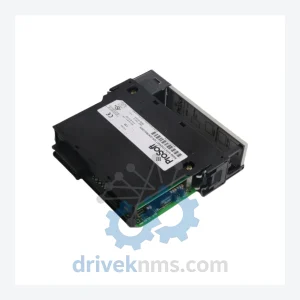
ProSoft Technology MVI56-GEC is listed for ControlLogix RFQ review. Confirm quantity, condition and destination before quotation.
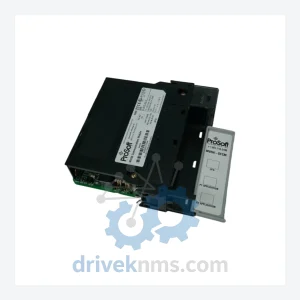
ProSoft Technology MVI56-DFCM is listed for ControlLogix RFQ review. Confirm quantity, condition and destination before quotation.