
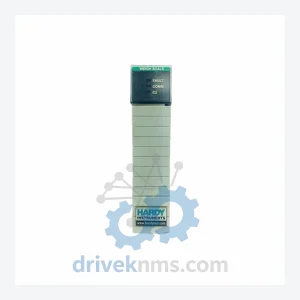
HARDY 1756-2WS Weigh Scale Module ControlLogix-Compatible Weighing I/O for Industrial Process Control
Hardy 1756-2WS is listed for ControlLogix RFQ review. Confirm quantity, condition and destination before quotation.
RFQ-ready industrial model
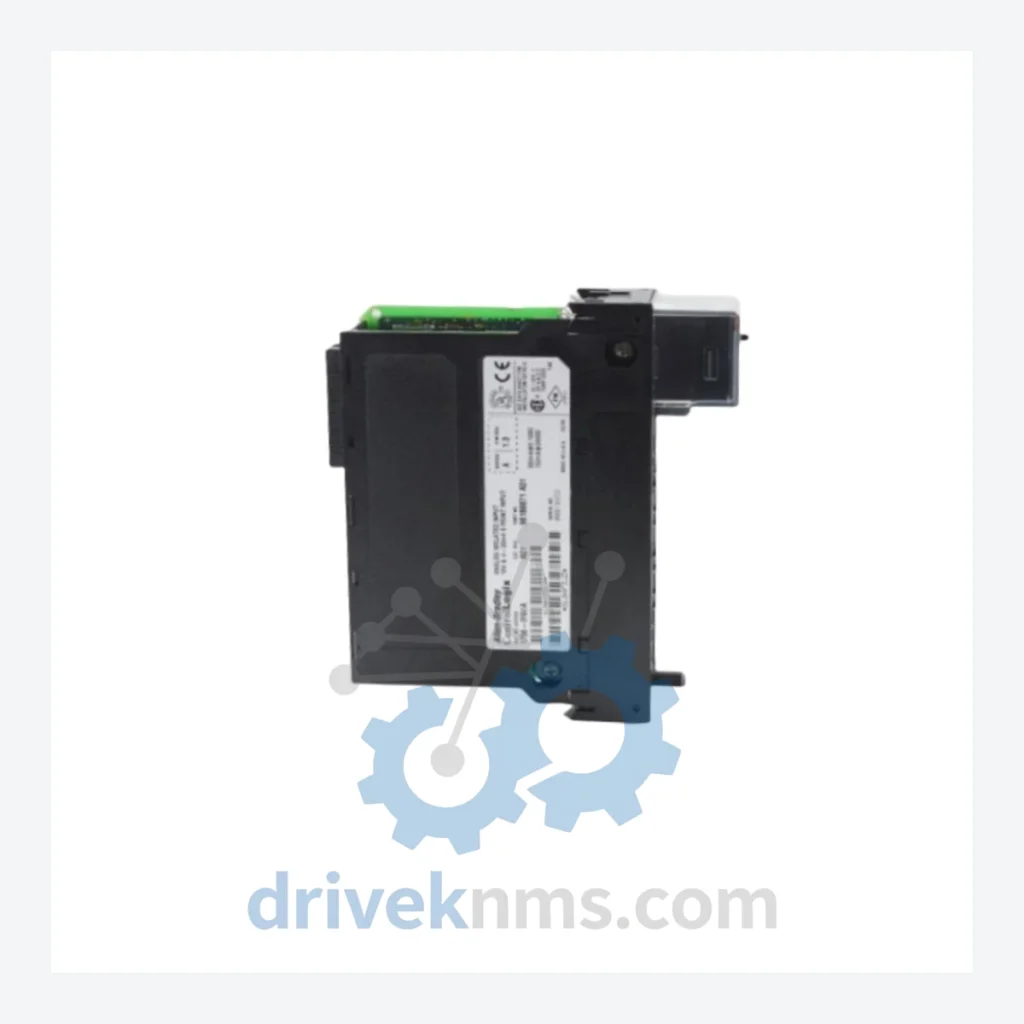
Model: 1756-IF6I
Product Overview
Commercial availability is handled through direct RFQ, model verification and export-oriented follow-up rather than public cart checkout.
Datasheet Preview
Use attached product manuals when available. If the manual is not public yet, request the full file directly through RFQ.
Commercial Path
Product pages on DRIVEKNMS are designed to verify model, brand and series first, then move the buyer into one clean quotation path.
Technical Dossier
The 1756-IF6I, the subject of this listing, is a 6-channel isolated analog input module within this ecosystem. It accepts voltage and current signals (±10V, 0–20 mA, 4–20 mA) with 16-bit resolution per channel, providing galvanic isolation between each input channel and the backplane — a critical specification for field instrumentation in electrically noisy environments such as motor control centers and high-voltage switchgear rooms.
The ControlLogix platform was introduced by Rockwell Automation in 1997 as a successor to the PLC-5 and SLC 500 families, addressing the growing demand for multi-discipline control (process, motion, discrete, and safety) within a single backplane. The original 1756 chassis accepted Series A modules with a 1756-A4, 1756-A7, 1756-A10, 1756-A13, and 1756-A17 chassis lineup — a structure that remains unchanged in form factor to this day, ensuring backward mechanical compatibility across nearly three decades of hardware revisions.
Key architectural milestones include the transition from Series A to Series B I/O modules (improved ASIC-based signal conditioning), the introduction of HART-enabled analog modules (1756-IF8H, 1756-OF8H) for field device diagnostics, and the shift from 1756-L5x processors to the current 1756-L8x (ControlLogix 5580) generation featuring dual-core processors, expanded memory, and native EtherNet/IP Device Level Ring (DLR) support. Older 1756-L6x and 1756-L7x processors remain in active service across installed base sites, creating a sustained demand for compatible I/O modules including the 1756-IF6I, which maintains firmware and RSLogix 5000 / Studio 5000 compatibility across all processor generations.
For sites running legacy 1756-L55 or 1756-L60 processors, the 1756-IF6I remains a direct-fit replacement for failed analog input modules without requiring controller firmware upgrades — a key factor in its continued procurement by maintenance engineering teams.
Analog Input Modules
Analog Output Modules
Digital Input Modules
Digital Output Modules
Controller / CPU Modules
Communication & Adapter Modules
Power Supply Modules
Rockwell Automation has progressively moved earlier 1756 module variants — including Series A analog I/O, legacy 1756-L5x and 1756-L6x processors, and first-generation communication modules — to End of Life (EOL) or Discontinued status. For facilities operating on 20–30 year maintenance cycles (nuclear, refining, municipal water), replacement procurement through the standard distribution channel is no longer viable for these part numbers.
DriveKNMS maintains a dedicated inventory of tested, refurbished, and new-surplus 1756 ControlLogix modules, including the 1756-IF6I and its functional equivalents. Our sourcing network covers factory-sealed overstock, decommissioned plant equipment, and authorized repair channels. All units are cataloged by series revision and firmware compatibility to ensure drop-in replacement without PLC program modification.
The 1756 backplane operates at a proprietary high-speed serial bus (ControlBus) with strict impedance and timing requirements. Counterfeit or improperly refurbished modules can introduce backplane communication faults, spurious I/O data, or chassis lockouts that are difficult to distinguish from field wiring faults during initial troubleshooting. DriveKNMS applies the following verification protocol to all 1756 modules prior to shipment:
Continue The Model Path
Move from this exact model into the matching system hub, brand archive, model-family archive or lifecycle sourcing route before sending a final RFQ list.
Related Paths
Hardy 1756-2WS is listed for ControlLogix RFQ review. Confirm quantity, condition and destination before quotation.
ProSoft Technology MVI56-GEC is listed for ControlLogix RFQ review. Confirm quantity, condition and destination before quotation.
ProSoft Technology MVI56-DFCM is listed for ControlLogix RFQ review. Confirm quantity, condition and destination before quotation.