
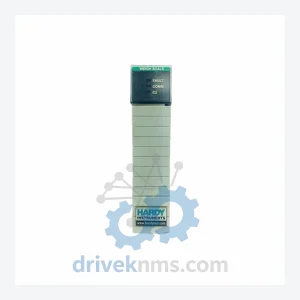
HARDY 1756-2WS Weigh Scale Module ControlLogix-Compatible Weighing I/O for Industrial Process Control
Hardy 1756-2WS is listed for ControlLogix RFQ review. Confirm quantity, condition and destination before quotation.
RFQ-ready industrial model
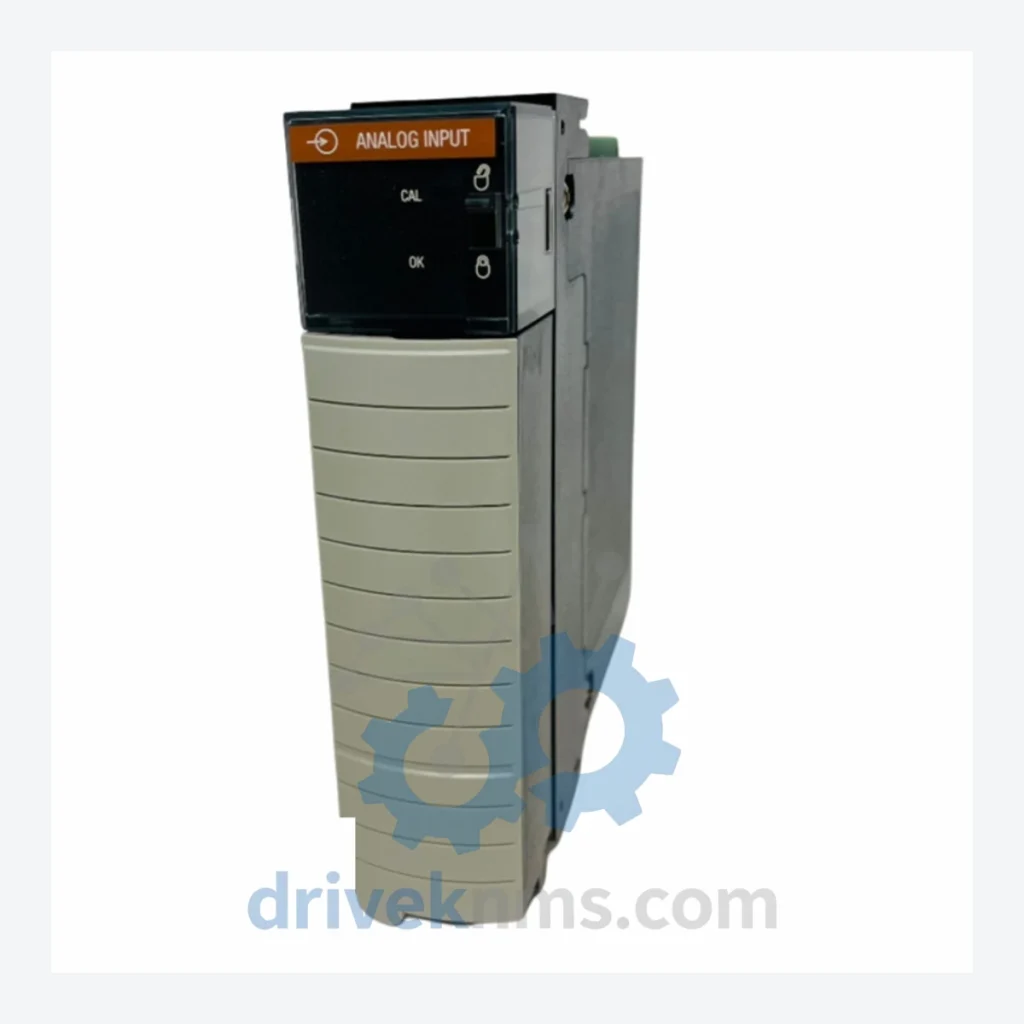
Model: 1756-IF8
Product Overview
Commercial availability is handled through direct RFQ, model verification and export-oriented follow-up rather than public cart checkout.
Datasheet Preview
Use attached product manuals when available. If the manual is not public yet, request the full file directly through RFQ.
Commercial Path
Product pages on DRIVEKNMS are designed to verify model, brand and series first, then move the buyer into one clean quotation path.
Technical Dossier
RFQ support for obsolete parts: Send the model number, required quantity and destination so DriveKNMS can confirm sourcing options before quotation.
The Allen-Bradley 1756-IF8 was a foundational analog input module in the ControlLogix ecosystem for over two decades. It was deployed extensively in oil & gas SCADA systems, water treatment facilities, automotive assembly lines, and pharmaceutical manufacturing — environments where the control architecture was designed around this specific module's signal handling characteristics and backplane communication behavior.
How to extend your ControlLogix system life by 5 to 10 years without a full platform migration:
Sourcing discontinued industrial hardware from the secondary market carries real risk. DriveKNMS applies a structured 5-step inspection protocol to every 1756-IF8 unit before it is offered for sale.
Condition grade and any observed findings are disclosed in writing prior to invoice. We do not ship units with undisclosed defects.
How do I know the unit is genuine and not counterfeit?
All units are sourced from decommissioned OEM installations or verified industrial surplus channels. Catalog labels, date codes, and board markings are inspected for consistency. We do not source from unverified brokers. Customers may request documentation of the unit's provenance prior to purchase.
Can you source specific firmware revisions?
We will disclose the firmware revision of available units prior to sale. If a specific revision is required for compatibility with your controller project, contact us before ordering and we will confirm availability.
Continue The Model Path
Move from this exact model into the matching system hub, brand archive, model-family archive or lifecycle sourcing route before sending a final RFQ list.
Related Paths
Hardy 1756-2WS is listed for ControlLogix RFQ review. Confirm quantity, condition and destination before quotation.
ProSoft Technology MVI56-GEC is listed for ControlLogix RFQ review. Confirm quantity, condition and destination before quotation.
ProSoft Technology MVI56-DFCM is listed for ControlLogix RFQ review. Confirm quantity, condition and destination before quotation.