
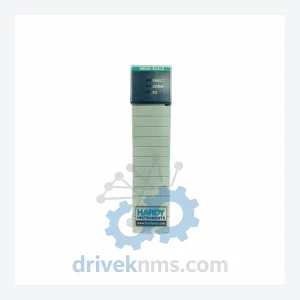
HARDY 1756-2WS Weigh Scale Module ControlLogix-Compatible Weighing I/O for Industrial Process Control
Hardy 1756-2WS is listed for ControlLogix RFQ review. Confirm quantity, condition and destination before quotation.
RFQ-ready industrial model
Model: 1756-IM16I
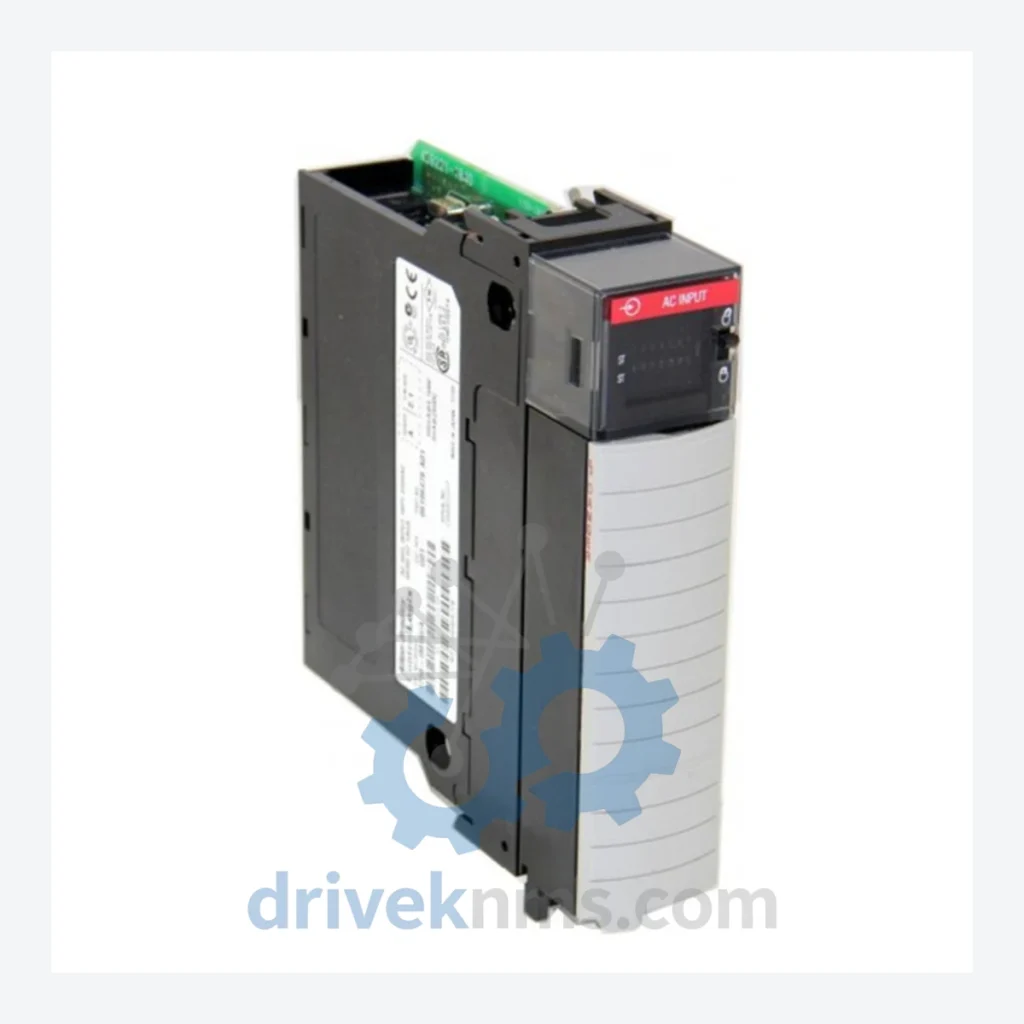
Product Overview
Commercial availability is handled through direct RFQ, model verification and export-oriented follow-up rather than public cart checkout.
Datasheet Preview
Use attached product manuals when available. If the manual is not public yet, request the full file directly through RFQ.
Commercial Path
Product pages on DRIVEKNMS are designed to verify model, brand and series first, then move the buyer into one clean quotation path.
Technical Dossier
The ControlLogix platform was introduced by Rockwell Automation in 1997 as a successor to the PLC-5 and SLC 500 families, addressing the industry's demand for a scalable, multi-controller chassis architecture. The original 1756 series established the ControlBus backplane standard, enabling up to 17 slots per chassis with peer-to-peer communication between controllers and I/O modules without a dedicated scanner.
The architecture evolved through several distinct generations. Early-generation modules (circa 1997–2004) used Series A hardware with 5V DC backplane logic and supported ControlNet as the primary network backbone. The introduction of EtherNet/IP as a primary I/O network (circa 2003–2007) drove a Series B hardware revision across most catalog numbers, adding diagnostic capabilities and electronic keying enforcement. From 2008 onward, Rockwell introduced the ControlLogix 5570 and later 5580 controllers, which maintained full backward compatibility with existing 1756 I/O modules while adding 64-bit processing, larger memory, and integrated motion over EtherNet/IP (MoE).
Compatibility considerations are critical for maintenance engineers: Series A and Series B modules are physically interchangeable within the same chassis, but firmware-level keying may restrict substitution in systems with strict electronic keying policies. Modules from the original 1756-L1 through 1756-L63 controller era remain operational in 1756 chassis but are no longer manufactured. The 1756-L8x series (ControlLogix 5580) represents the current production standard as of 2026.
Digital Input Modules
Digital Output Modules
Analog I/O Modules
Controller Modules
Communication & Adapter Modules
Power Supply Modules
A significant portion of the 1756 ControlLogix installed base operates on hardware that Rockwell Automation has transitioned to End-of-Life (EOL) or End-of-Support (EOS) status. Modules such as the 1756-L1, 1756-L40, 1756-L60, and early Series A I/O modules are no longer manufactured, yet remain in active service at facilities with 20–30 year operational lifecycles — particularly in nuclear, refining, and municipal water infrastructure where control system replacement projects require multi-year capital planning cycles.
The 1756 platform's modular backplane architecture introduces specific failure modes that require targeted test procedures beyond standard power-on verification. DriveKNMS applies the following test protocol to all 1756 series modules prior to shipment:
Backplane Communication Verification: Each module is seated in a live 1756 chassis and interrogated via RSLogix 5000 / Studio 5000 to confirm correct module identity, series, revision, and electronic keying data. Modules that fail to enumerate on the backplane are rejected regardless of visual condition.
I/O Point Functional Test: For digital input modules including the 1756-IM16I, each of the 16 input points is individually stimulated at rated voltage (120V AC for IM16I) and the corresponding status bit is verified in the controller tag database. Channel-to-channel isolation is verified using a 500V DC hipot test between adjacent input commons.
Analog Calibration Check: Analog modules (1756-IF8, 1756-OF8, 1756-IF16) are tested across the full input/output range at 0%, 25%, 50%, 75%, and 100% of span. Linearity error must be within ±0.1% of full scale to pass.
Continue The Model Path
Move from this exact model into the matching system hub, brand archive, model-family archive or lifecycle sourcing route before sending a final RFQ list.
Related Paths
Hardy 1756-2WS is listed for ControlLogix RFQ review. Confirm quantity, condition and destination before quotation.
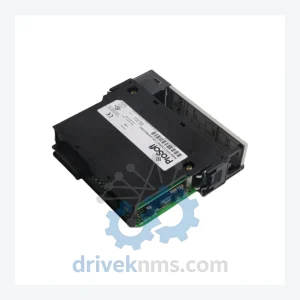
ProSoft Technology MVI56-GEC is listed for ControlLogix RFQ review. Confirm quantity, condition and destination before quotation.
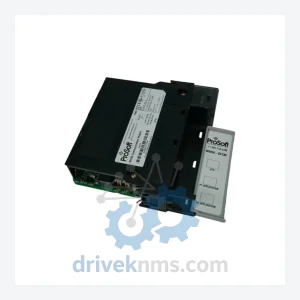
ProSoft Technology MVI56-DFCM is listed for ControlLogix RFQ review. Confirm quantity, condition and destination before quotation.