
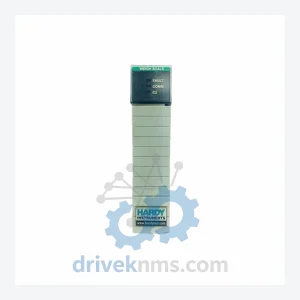
HARDY 1756-2WS Weigh Scale Module ControlLogix-Compatible Weighing I/O for Industrial Process Control
Hardy 1756-2WS is listed for ControlLogix RFQ review. Confirm quantity, condition and destination before quotation.
RFQ-ready industrial model
Model: 1756-OB32/A
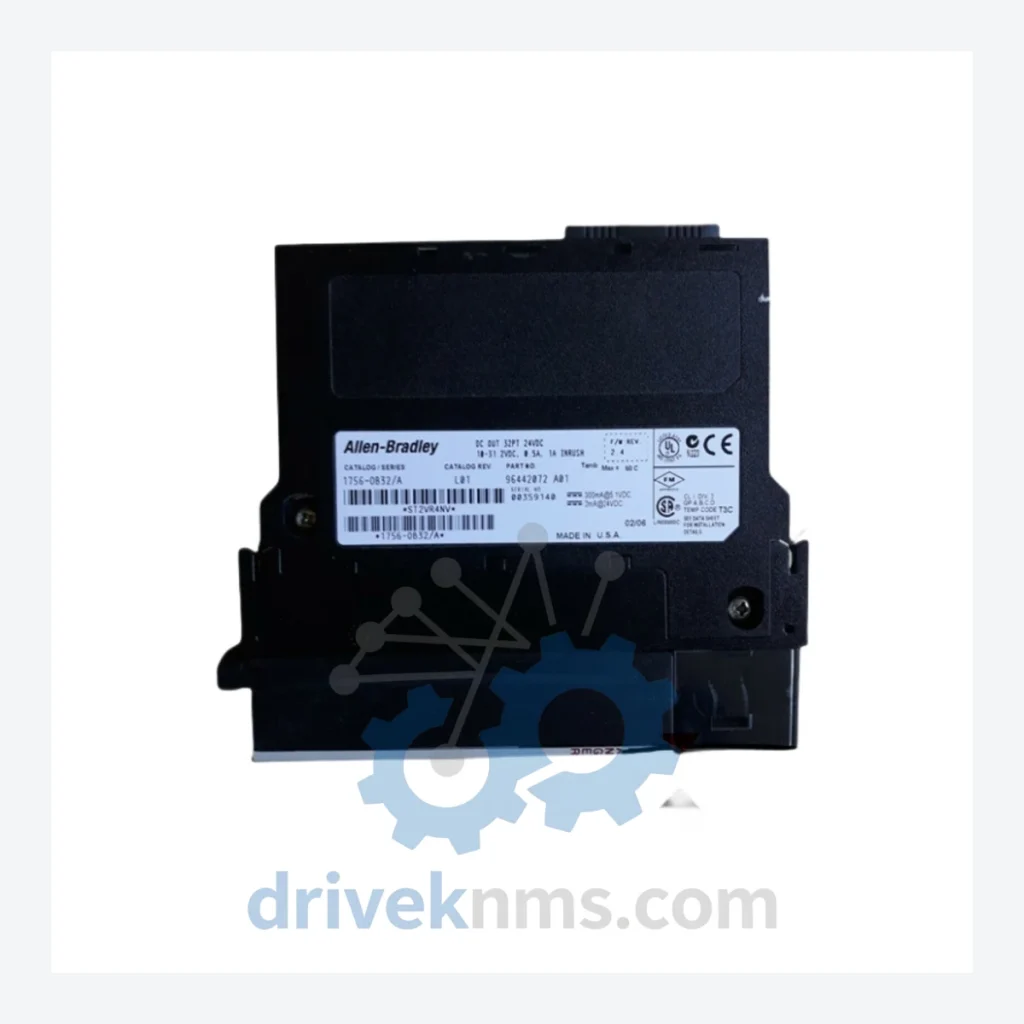
Product Overview
Commercial availability is handled through direct RFQ, model verification and export-oriented follow-up rather than public cart checkout.
Datasheet Preview
Use attached product manuals when available. If the manual is not public yet, request the full file directly through RFQ.
Commercial Path
Product pages on DRIVEKNMS are designed to verify model, brand and series first, then move the buyer into one clean quotation path.
Technical Dossier
The Allen-Bradley 1756 ControlLogix platform is one of the most widely deployed programmable automation controller (PAC) architectures in global heavy industry. Installed across petrochemical refineries, nuclear power generation facilities, offshore oil & gas platforms, pulp and paper mills, and large-scale water treatment infrastructure, the 1756 backplane-based system has served as the backbone of process and discrete control since its commercial introduction in the late 1990s. Its modular chassis architecture — supporting 4, 7, 10, and 17-slot configurations — allows engineers to construct highly scalable control systems with deterministic scan times and redundant processor options. The 1756-OB32/A is a 32-point 24V DC sourcing digital output module within this ecosystem, designed for high-density discrete output applications requiring solid-state switching at the field device level.
The ControlLogix platform was introduced by Rockwell Automation in 1997 as a successor to the PLC-5 and SLC 500 families, addressing the growing demand for multi-discipline control (process, motion, discrete, and safety) within a single backplane. The original 1756 series used a proprietary ControlBus backplane operating at 100 Mbps. Early I/O modules (Series A) established the physical form factor and connector standards still in use today.
With the introduction of Series B and C revisions across various module types, Rockwell improved noise immunity, expanded operating temperature ranges, and added diagnostic capabilities such as field-side power loss detection and blown fuse indication. The architecture transitioned from RSLogix 5000 programming software to Studio 5000 Logix Designer beginning with firmware v20, introducing Add-On Instructions (AOIs) and enhanced tag-based programming. Modules from the original Series A generation remain backward-compatible at the backplane level with current 1756-L8x and 1756-L7x processors, though firmware dependencies must be verified for specific feature sets. As the platform enters its mature lifecycle phase, long-term maintenance sourcing for Series A modules — including the 1756-OB32/A — has become a primary concern for asset managers operating legacy installations.
Digital Output Modules
Digital Input Modules
Analog I/O Modules
Controller / CPU Modules
Communication Adapter Modules
Power Supply Modules
The 1756 backplane architecture presents specific test requirements that differ from standard I/O verification. Each module interfaces with the chassis backplane via a proprietary high-speed bus; functional verification must therefore include both field-side I/O point testing and backplane communication validation. DriveKNMS applies the following test protocol to all 1756 series modules:
Continue The Model Path
Move from this exact model into the matching system hub, brand archive, model-family archive or lifecycle sourcing route before sending a final RFQ list.
Related Paths
Hardy 1756-2WS is listed for ControlLogix RFQ review. Confirm quantity, condition and destination before quotation.
ProSoft Technology MVI56-GEC is listed for ControlLogix RFQ review. Confirm quantity, condition and destination before quotation.
ProSoft Technology MVI56-DFCM is listed for ControlLogix RFQ review. Confirm quantity, condition and destination before quotation.