
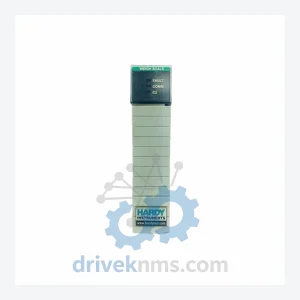
HARDY 1756-2WS Weigh Scale Module ControlLogix-Compatible Weighing I/O for Industrial Process Control
Hardy 1756-2WS is listed for ControlLogix RFQ review. Confirm quantity, condition and destination before quotation.
RFQ-ready industrial model
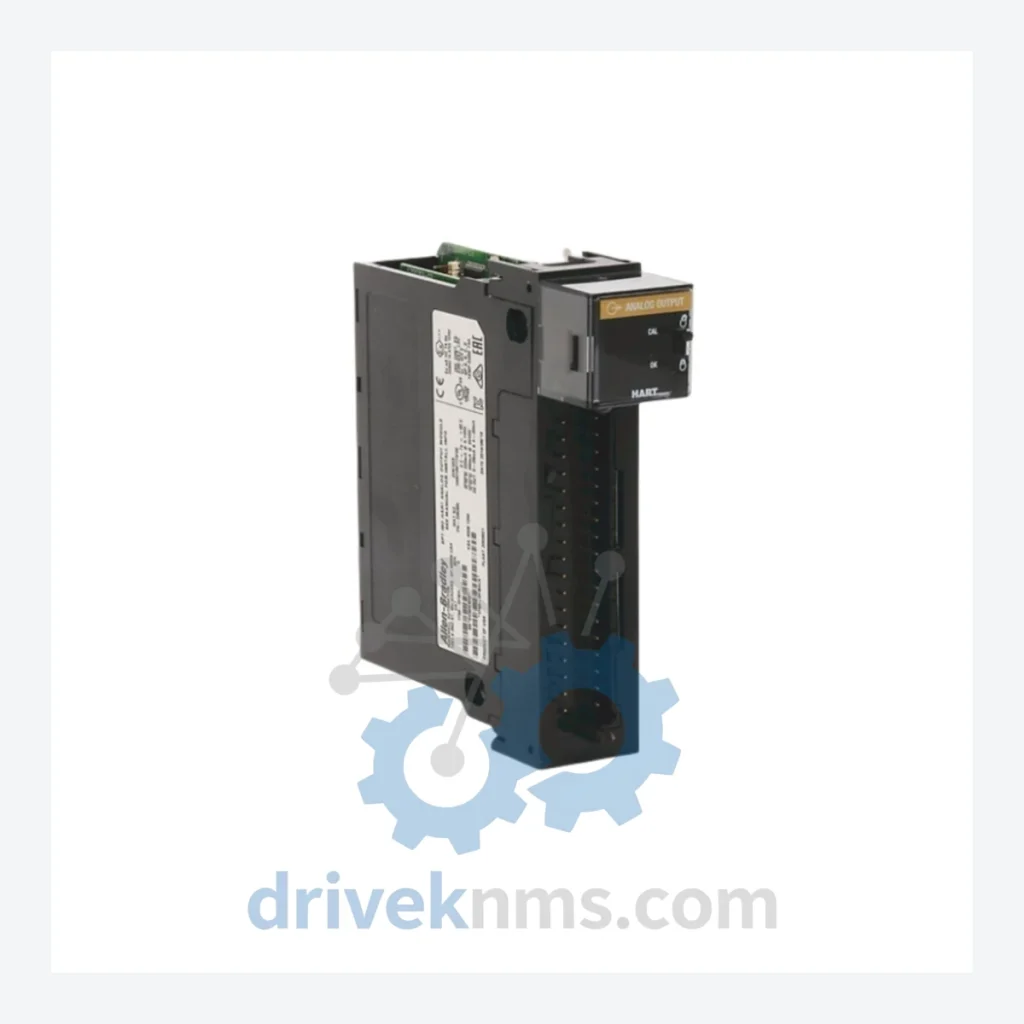
Model: 1756-OF8I
Product Overview
Commercial availability is handled through direct RFQ, model verification and export-oriented follow-up rather than public cart checkout.
Datasheet Preview
Use attached product manuals when available. If the manual is not public yet, request the full file directly through RFQ.
Commercial Path
Product pages on DRIVEKNMS are designed to verify model, brand and series first, then move the buyer into one clean quotation path.
Technical Dossier
The Allen-Bradley 1756 ControlLogix platform is one of the most widely deployed programmable automation controller (PAC) architectures in global heavy industry. Installed across petrochemical refineries, nuclear power generation facilities, offshore oil & gas platforms, pulp and paper mills, and large-scale water treatment plants, the 1756 backplane system has served as the backbone of process and discrete control since its commercial introduction in the late 1990s. The 1756-OF8I is a high-density, individually isolated analog output module within this platform, designed for applications where channel-to-channel isolation is a non-negotiable safety and signal integrity requirement.
The ControlLogix chassis accepts up to 17 modules per rack and supports redundant controller configurations via the 1756-RM2/A redundancy module. The 1756 series communicates natively over the ControlNet, DeviceNet, and EtherNet/IP networks, making it compatible with Rockwell Automation's Integrated Architecture framework. Its modular, hot-swappable design allows maintenance personnel to replace individual I/O modules without de-energizing the chassis — a critical operational requirement in continuous-process industries.
The 1756 ControlLogix platform was introduced by Rockwell Automation in 1997 as a successor to the PLC-5 and SLC 500 families. The original architecture used a proprietary backplane bus operating at 200 Mbps. Over successive hardware revisions, Rockwell introduced the Series B and Series C module variants, which addressed firmware compatibility issues and expanded the supported I/O point density.
Early 1756 analog modules (circa 1998–2005) used 12-bit resolution DACs. The 1756-OF8I and its contemporaries moved to 16-bit resolution, significantly improving control precision for valve positioners and variable-speed drive reference signals. The introduction of the Logix5000 firmware v16 and later v20 brought producer/consumer communication model enhancements that reduced I/O scan latency across large 1756 installations.
Compatibility considerations are significant for maintenance engineers: modules manufactured before Series B may not support newer firmware features available in Studio 5000 Logix Designer v30+. When replacing legacy 1756 modules, engineers must verify the catalog number suffix (e.g., /A, /B) and cross-reference against the Rockwell Automation Product Compatibility and Download Center (PCDC) to confirm firmware alignment with the resident controller.
Analog Output Modules
Analog Input Modules
Digital Output Modules
Digital Input Modules
Controller & Communication Modules
Power Supply Modules
Rockwell Automation has progressively moved earlier 1756 module variants to End-of-Life (EOL) and Discontinued status. Modules such as the 1756-OF8I/A (Series A) and early-revision communication adapters are no longer manufactured. However, the installed base of these modules in operating plants remains substantial, and replacement demand persists across the full lifecycle of the host facility — often 20–40 years for petrochemical and power generation assets.
The 1756 backplane operates at a proprietary high-speed bus protocol. Functional verification of 1756 modules requires chassis-level testing — bench-level power-up alone is insufficient to confirm backplane communication integrity. DriveKNMS applies the following test protocol to all 1756 modules prior to dispatch:
Continue The Model Path
Move from this exact model into the matching system hub, brand archive, model-family archive or lifecycle sourcing route before sending a final RFQ list.
Related Paths
Hardy 1756-2WS is listed for ControlLogix RFQ review. Confirm quantity, condition and destination before quotation.
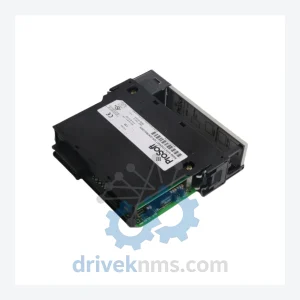
ProSoft Technology MVI56-GEC is listed for ControlLogix RFQ review. Confirm quantity, condition and destination before quotation.
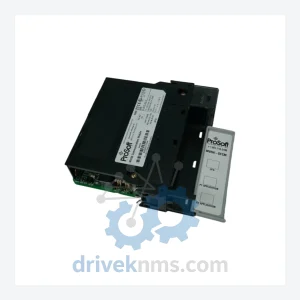
ProSoft Technology MVI56-DFCM is listed for ControlLogix RFQ review. Confirm quantity, condition and destination before quotation.