
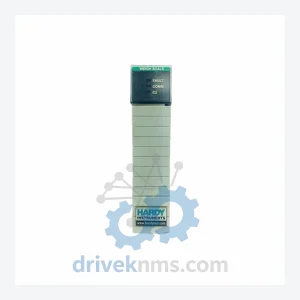
HARDY 1756-2WS Weigh Scale Module ControlLogix-Compatible Weighing I/O for Industrial Process Control
Hardy 1756-2WS is listed for ControlLogix RFQ review. Confirm quantity, condition and destination before quotation.
RFQ-ready industrial model
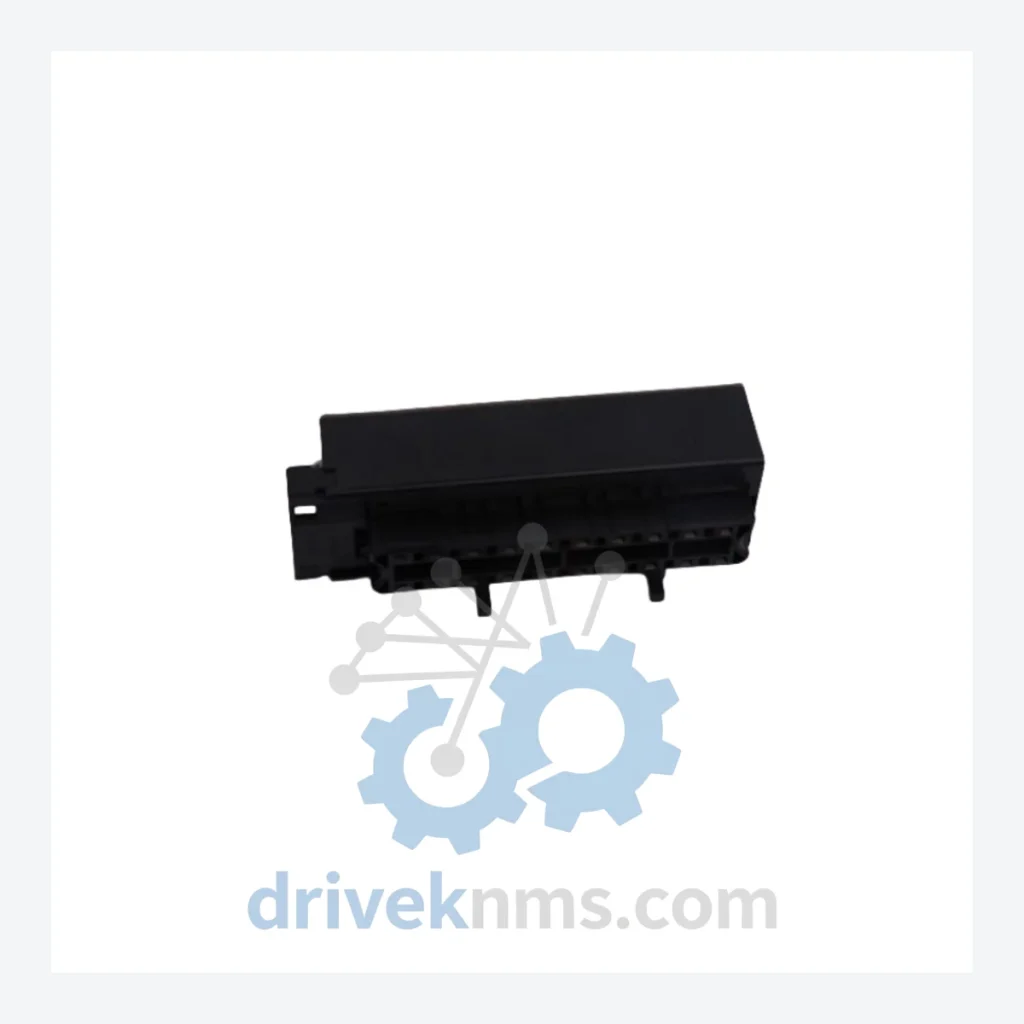
Model: 1756-TBSH
Product Overview
Commercial availability is handled through direct RFQ, model verification and export-oriented follow-up rather than public cart checkout.
Datasheet Preview
Use attached product manuals when available. If the manual is not public yet, request the full file directly through RFQ.
Commercial Path
Product pages on DRIVEKNMS are designed to verify model, brand and series first, then move the buyer into one clean quotation path.
Technical Dossier
The Allen-Bradley 1756 ControlLogix platform is one of the most widely deployed programmable automation controller (PAC) architectures in global heavy industry. Installed across petrochemical complexes, nuclear power stations, offshore oil & gas platforms, and continuous-process refineries, the 1756 backplane-based system has served as the backbone of safety-critical and high-availability control loops since its commercial introduction in the late 1990s. Its modular chassis architecture — supporting 4, 7, 10, 13, and 17-slot configurations — allows engineers to construct redundant, scalable control nodes without proprietary bus lock-in. The platform's native integration with Rockwell Automation's Studio 5000 Logix Designer environment and its compatibility with EtherNet/IP, ControlNet, DeviceNet, and FOUNDATION Fieldbus makes it the reference standard against which competing DCS and hybrid PLC architectures are measured in process industries.
The ControlLogix platform launched commercially circa 1997 as a successor to Rockwell's PLC-5 and SLC 500 families, introducing a producer/consumer network model over ControlNet that eliminated the polling overhead of earlier master/slave topologies. The original 1756-L1 and 1756-L20 processors established the tag-based programming paradigm that persists through current-generation firmware.
The second architectural generation (circa 2003–2008) introduced the 1756-L55 and 1756-L63 controllers with expanded memory and the first native EtherNet/IP bridge modules (1756-ENBT), enabling direct integration with plant-floor Ethernet infrastructure without a dedicated communication coprocessor. This era also saw the introduction of the 1756-CN2 ControlNet bridge and the 1756-DNB DeviceNet scanner, consolidating multi-network topologies onto a single chassis.
The third generation (2010–2018) delivered the L7x controller family (1756-L71 through 1756-L85), featuring non-volatile energy storage (NVS) replacing battery-backed SRAM, dual-port EtherNet/IP on the 1756-EN2T and 1756-EN2TR modules, and the introduction of the 1756-L8xE series with embedded dual-port EtherNet/IP on the CPU itself. Chassis and power supply form factors remained backward-compatible, protecting installed-base investments.
Current-generation hardware (2018–present) centers on the 1756-L8x and forthcoming Logix 5000 v35+ firmware ecosystem. Many L1x through L6x controllers are now in the end-of-life or discontinued phase, creating sustained demand for certified spare and refurbished units to support long-lifecycle plant assets with 20–40 year operational horizons.
Controllers (CPU Modules)
Digital Input (DI) Modules
Digital Output (DO) Modules
Analog Input/Output (AI/AO) Modules
Communication & Network Adapter Modules
Power Supply Modules
Wiring & Termination Accessories
The 1756 backplane operates at 1.2V with a high-speed serial bus that is sensitive to connector oxidation, ESD damage, and firmware version mismatches. DriveKNMS applies the following test protocol to all 1756 modules prior to dispatch:
Continue The Model Path
Move from this exact model into the matching system hub, brand archive, model-family archive or lifecycle sourcing route before sending a final RFQ list.
Related Paths
Hardy 1756-2WS is listed for ControlLogix RFQ review. Confirm quantity, condition and destination before quotation.
ProSoft Technology MVI56-GEC is listed for ControlLogix RFQ review. Confirm quantity, condition and destination before quotation.
ProSoft Technology MVI56-DFCM is listed for ControlLogix RFQ review. Confirm quantity, condition and destination before quotation.