
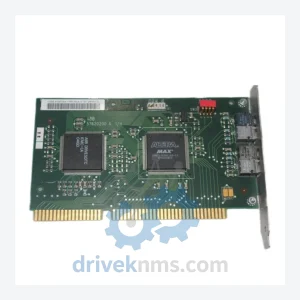
ABB NISA-03 DDCS/ISA Adaptor Module Kit – Obsolete DriveIT Spare Part
ABB NISA-03 is listed for DCS Cards RFQ review. Confirm quantity, condition and destination before quotation.
RFQ-ready industrial model
Model: 19C5B30-1200
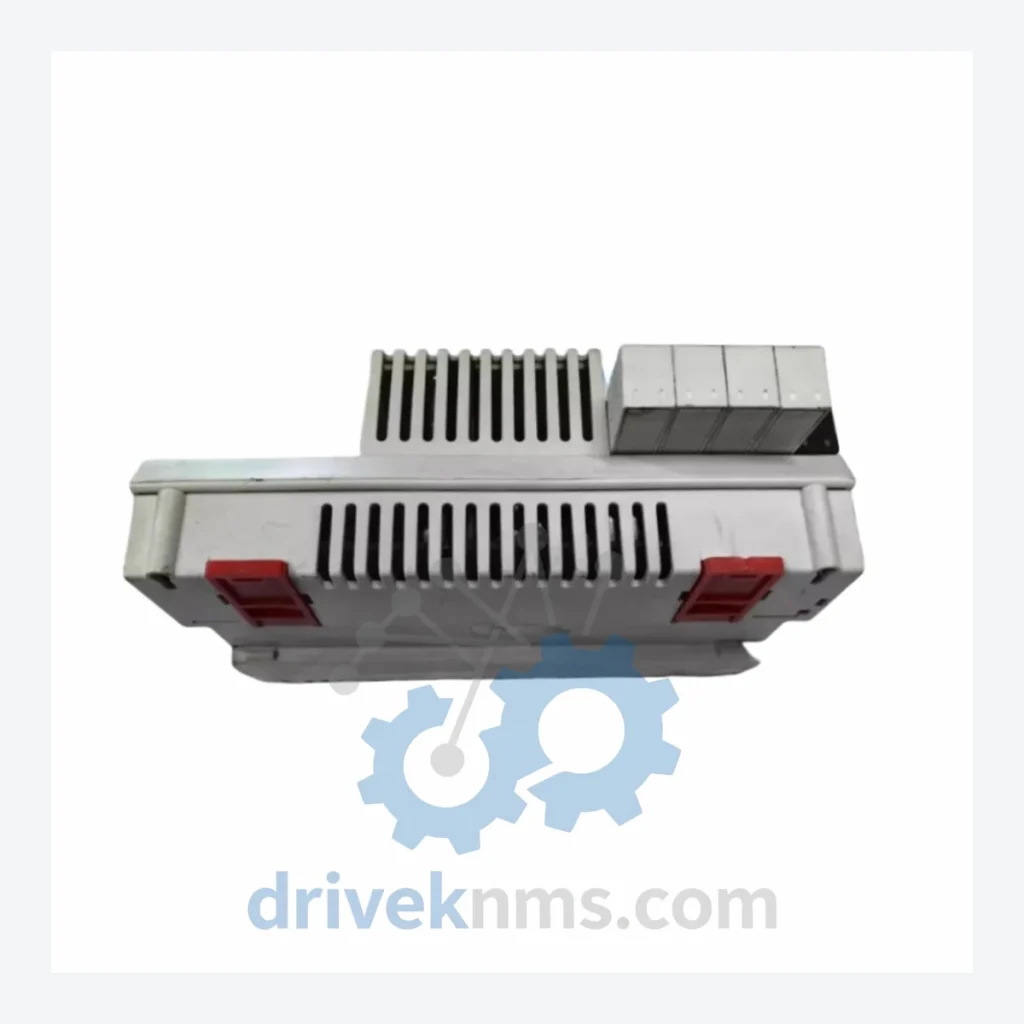
Product Overview
Commercial availability is handled through direct RFQ, model verification and export-oriented follow-up rather than public cart checkout.
Datasheet Preview
Use attached product manuals when available. If the manual is not public yet, request the full file directly through RFQ.
Commercial Path
Product pages on DRIVEKNMS are designed to verify model, brand and series first, then move the buyer into one clean quotation path.
Technical Dossier
RFQ support for obsolete parts: Send the model number, required quantity and destination so DriveKNMS can confirm sourcing options before quotation.
| Parameter | Detail |
|---|---|
| Part Number | 19C5B30-1200 |
| Manufacturer | ABB (formerly Bailey Controls) |
| Series | Bailey Network 90 / INFI 90 |
| Module Type | CombiControl – Combined Controller/Communication Module |
| Discontinuation Status | Officially discontinued. No longer manufactured or supported by ABB. |
| Compatible Systems | ABB Bailey Network 90, INFI 90 DCS |
| Form Factor | Single-width module card |
| Country of Origin | Germany |
Note: Electrical parameters not listed here are not independently verified. DriveKNMS does not publish unconfirmed specifications. Contact us for datasheet support.
The ABB Bailey Network 90 platform was deployed extensively across power generation, pulp and paper, chemical processing, and refining facilities from the 1980s through the early 2000s. The 19C5B30-1200 CombiControl module served as a core processing and communication node within these architectures. Its integrated design — combining control logic execution with network communication in a single card — means there is no modular workaround when it fails. The entire control loop it manages goes offline.
ABB ceased production and spare parts support for this module years ago. The installed base, however, remains operational at hundreds of facilities worldwide. Plant managers face a structural dilemma: the cost of maintaining aging hardware is predictable and manageable; the cost of forced migration is neither. A single unplanned DCS replacement project, triggered by an unavailable spare part, can consume three to five years of maintenance budget in a single capital event.
Extending the operational life of a Bailey Network 90 system by five to ten years through strategic spare parts procurement is not a compromise — it is a defensible asset protection strategy. The capital freed by deferring migration can be allocated to process improvements, safety upgrades, or planned transitions executed on the plant's own schedule rather than under emergency conditions.
Facilities that have successfully extended Bailey Network 90 operations beyond original end-of-life dates share a common practice: they maintain a minimum two-unit buffer of critical modules such as the 19C5B30-1200, sourced from verified suppliers with documented QA processes. DriveKNMS exists specifically to support this strategy.
Sourcing discontinued industrial control modules from the secondary market carries real risk. Component aging, improper storage, and undisclosed prior failures are common problems. DriveKNMS applies a five-step inspection protocol to every 19C5B30-1200 unit before it leaves our facility:
Q: How are RFQ terms confirmed?
A: Quantity, required condition, documentation needs, destination and sourcing route are confirmed during RFQ review before quotation.
Step 2 – Electrolytic Capacitor Assessment: Electrolytic capacitors are the primary failure point in modules of this age. Each unit is inspected for capacitor bulging, leakage, and ESR degradation. Units with suspect capacitors are either recapped with equivalent-spec components or rejected.
Step 3 – Firmware Version Verification: Where accessible, firmware revision is documented and cross-referenced against known compatible versions for Bailey Network 90 installations. Incompatible or corrupted firmware is flagged before dispatch review.
Step 4 – Pin and Connector Integrity Check: Backplane connector pins are inspected under magnification for oxidation, bending, and contact wear. Affected pins are cleaned or the unit is rejected.
Units that pass all five stages are classified as Tested Surplus. Units that pass visual and mechanical inspection but cannot be bench-tested are classified as Inspected Surplus and disclosed as such. No unit is shipped without a documented inspection record.
The 19C5B30-1200 is a direct drop-in replacement for failed units within Bailey Network 90 architectures. Installation does not require reprogramming of the control strategy, reconfiguration of the network topology, or engagement of ABB engineering services. The module slots into the existing backplane, and the system resumes operation from the last saved configuration state.
This characteristic — true plug-and-play replacement within the original system architecture — is the core economic argument for spare parts procurement over system migration. A migration project requires months of engineering work, factory acceptance testing, site acceptance testing, and operator retraining. A spare module replacement requires a trained technician and a verified unit. The cost differential is not marginal; it is structural.
For facilities operating multiple Bailey Network 90 cabinets, a single 19C5B30-1200 spare can serve as insurance across the entire installation, provided the module addresses are reconfigurable to match the failed unit's network position — a standard procedure for experienced Bailey system technicians.
Q: How is condition confirmed before quotation?
A: Available condition, photos, test records and documentation are checked according to the requested model and sourcing channel before a formal RFQ response.
Can you source multiple units for a long-term spares program?
Yes. Contact us with your quantity requirements and timeline. DriveKNMS can structure staged delivery agreements for facilities building multi-year maintenance reserves.
Continue The Model Path
Move from this exact model into the matching system hub, brand archive, model-family archive or lifecycle sourcing route before sending a final RFQ list.
Related Paths
ABB NISA-03 is listed for DCS Cards RFQ review. Confirm quantity, condition and destination before quotation.
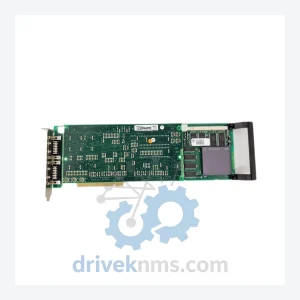
ABB PU514 is listed for DCS Cards RFQ review. Confirm quantity, condition and destination before quotation.
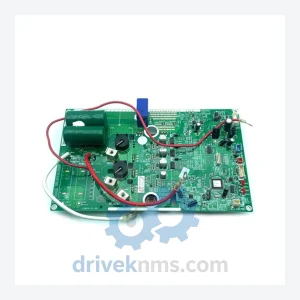
ABB SC300E PAC 031-1053-04 is listed for DCS Cards RFQ review. Confirm quantity, condition and destination before quotation.