
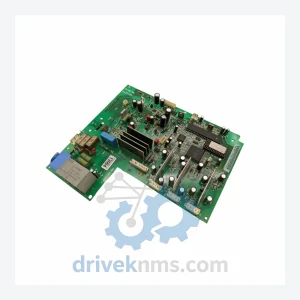
ABB SNAT-7120 Circuit Board – SNAZ7120J Series
ABB SNAT-7120 SNAZ 7120 J SNAZ7120J is listed for SNAZ7120J Series RFQ review. Confirm quantity, condition and destination before quotation.
RFQ-ready industrial model
Model: PS700 1JNL100175-851
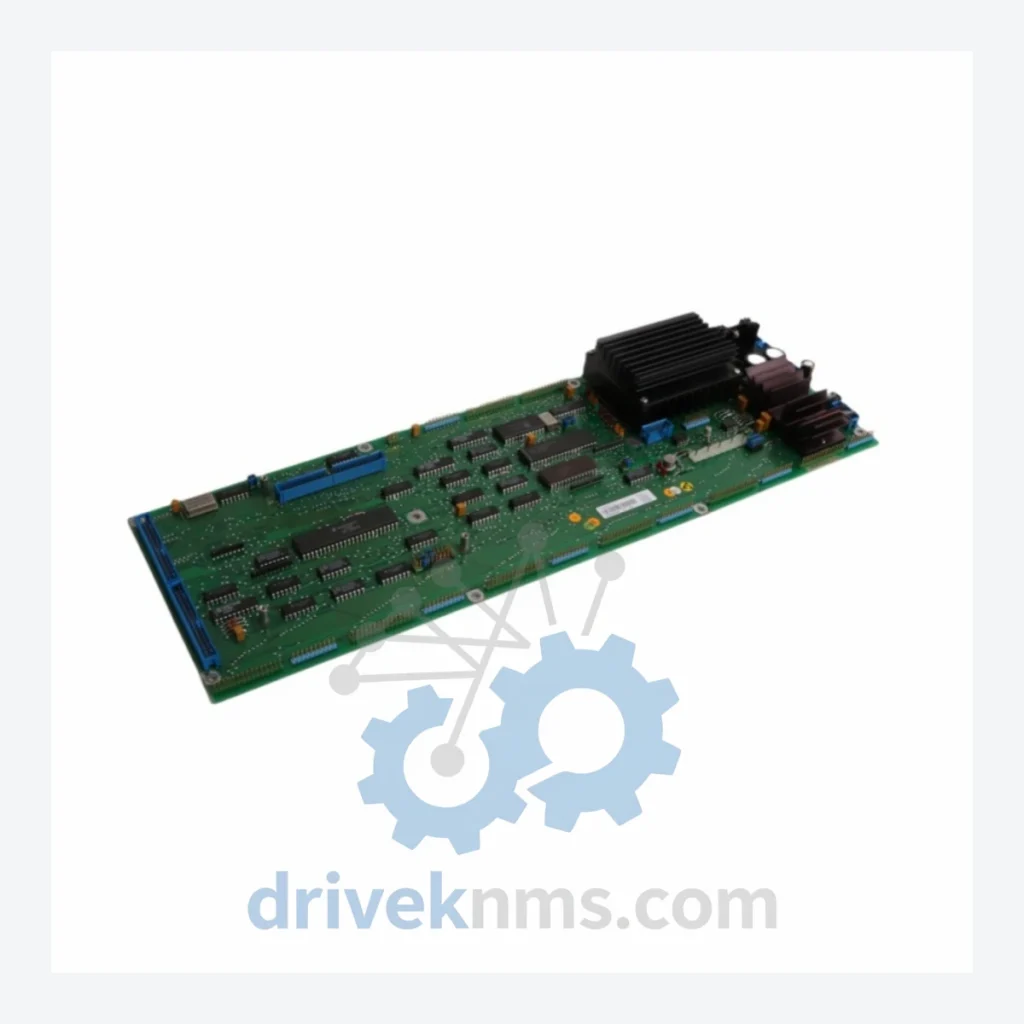
Product Overview
Commercial availability is handled through direct RFQ, model verification and export-oriented follow-up rather than public cart checkout.
Datasheet Preview
Use attached product manuals when available. If the manual is not public yet, request the full file directly through RFQ.
Commercial Path
Product pages on DRIVEKNMS are designed to verify model, brand and series first, then move the buyer into one clean quotation path.
Technical Dossier
RFQ support for obsolete parts: Send the model number, required quantity and destination so DriveKNMS can confirm sourcing options before quotation.
Note: Electrical parameters (voltage ratings, I/O channel count, communication protocol specifics) are confirmed during order verification to ensure accuracy. No unverified data is published.
The ABB MACH 3 platform was deployed extensively across pulp and paper, power generation, and heavy process industries throughout the 1990s and early 2000s. Its distributed I/O architecture — of which the 1JNL100175-851 is a core node — was engineered for deterministic, high-reliability process control in environments where millisecond-level response consistency is non-negotiable.
ABB has long since discontinued support and parts supply for this platform. The consequence for plant operators is straightforward: when a module fails, there is no OEM channel to turn to. The choice narrows to two options — source the part from a specialist distributor, or commit to a full system replacement program that will consume engineering resources and capital for 18 to 36 months.
Facilities running MACH 3 infrastructure have typically already amortized the original capital cost. The control logic, operator familiarity, and process tuning accumulated over decades represent an asset that cannot be transferred to a new platform without significant re-engineering. Replacing a single I/O unit at a fraction of the cost of system migration is not a compromise — it is the operationally sound decision.
DriveKNMS sources 1JNL100175-851 units through verified industrial asset recovery channels, ensuring that facilities facing unplanned failures have a reliable supply path that does not require a capital project approval cycle.
For facilities operating legacy ABB MACH 3 systems, the question is not whether to eventually migrate — it is how to control the timing of that migration on your terms rather than being forced into it by an unplanned failure. The following approach has been applied successfully across process industries to extend operational life by five to ten years without major capital expenditure:
3. Controlled Spare Procurement: Obsolete parts availability is not stable. Units available today may not be available in 18 months. Procurement of two to three critical spares per module type — held in climate-controlled storage — provides a buffer that supports a planned migration timeline rather than a crisis-driven one.
4. Firmware and Configuration Documentation: Ensure that current firmware versions and I/O configuration parameters are fully documented and stored offline. This eliminates re-commissioning risk when a spare unit is installed.
5. Vendor Qualification: Not all sources of obsolete ABB parts apply consistent quality standards. Establish a qualified supplier relationship before a failure event, not during one.
Every 1JNL100175-851 unit processed by DriveKNMS passes a structured five-stage quality protocol before it is offered for sale:
Stage 1 – Visual and Mechanical Inspection: Full board-level examination for physical damage, corrosion, and connector pin condition. Units with compromised pin integrity are rejected at this stage.
Stage 2 – Electrolytic Capacitor Assessment: Capacitor aging is the primary failure mode in modules of this era. Each unit is assessed for capacitor condition; units with visibly degraded or bulging capacitors are either recapped with specification-matched components or removed from inventory.
Stage 3 – Firmware Version Verification: Where accessible, firmware version is confirmed and documented. This information is provided to the buyer to support installation planning.
Stage 4 – Functional Bench Test: Units are powered and tested against known-good reference configurations where test infrastructure supports it.
Stage 5 – Packaging and Storage: Units are packaged in anti-static materials and stored in controlled-humidity conditions to prevent further degradation prior to shipment.
Q: How do I know the unit is genuine ABB and not a counterfeit?
A: All units are sourced from documented industrial asset recovery channels. Physical markings, board revision codes, and component configurations are cross-referenced against known-genuine references. Units that do not pass this verification are not sold.
Q: Can you source other ABB MACH 3 components?
A: Yes. DriveKNMS specializes in obsolete ABB components across multiple legacy platforms. Contact us with your full bill of materials for availability assessment.
Continue The Model Path
Move from this exact model into the matching system hub, brand archive, model-family archive or lifecycle sourcing route before sending a final RFQ list.
Related Paths
ABB SNAT-7120 SNAZ 7120 J SNAZ7120J is listed for SNAZ7120J Series RFQ review. Confirm quantity, condition and destination before quotation.
ABB PM564-TP-ETH 1SAP121100R0071 is listed for Servo Drives RFQ review. Confirm quantity, condition and destination before quotation.
ABB SCDCS-CON-4 is listed for CON-4 Control Board RFQ review. Confirm quantity, condition and destination before quotation.