
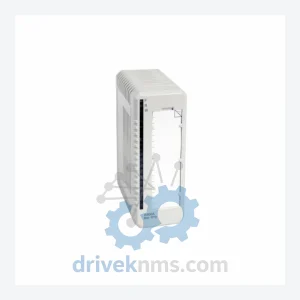
ABB AC500-S Safety PLC Modules SM812K01
ABB SM812K01 is listed for AC500-S Safety RFQ review. Confirm quantity, condition and destination before quotation.
RFQ-ready industrial model
Model: AI581-S 1SAP282000R0001
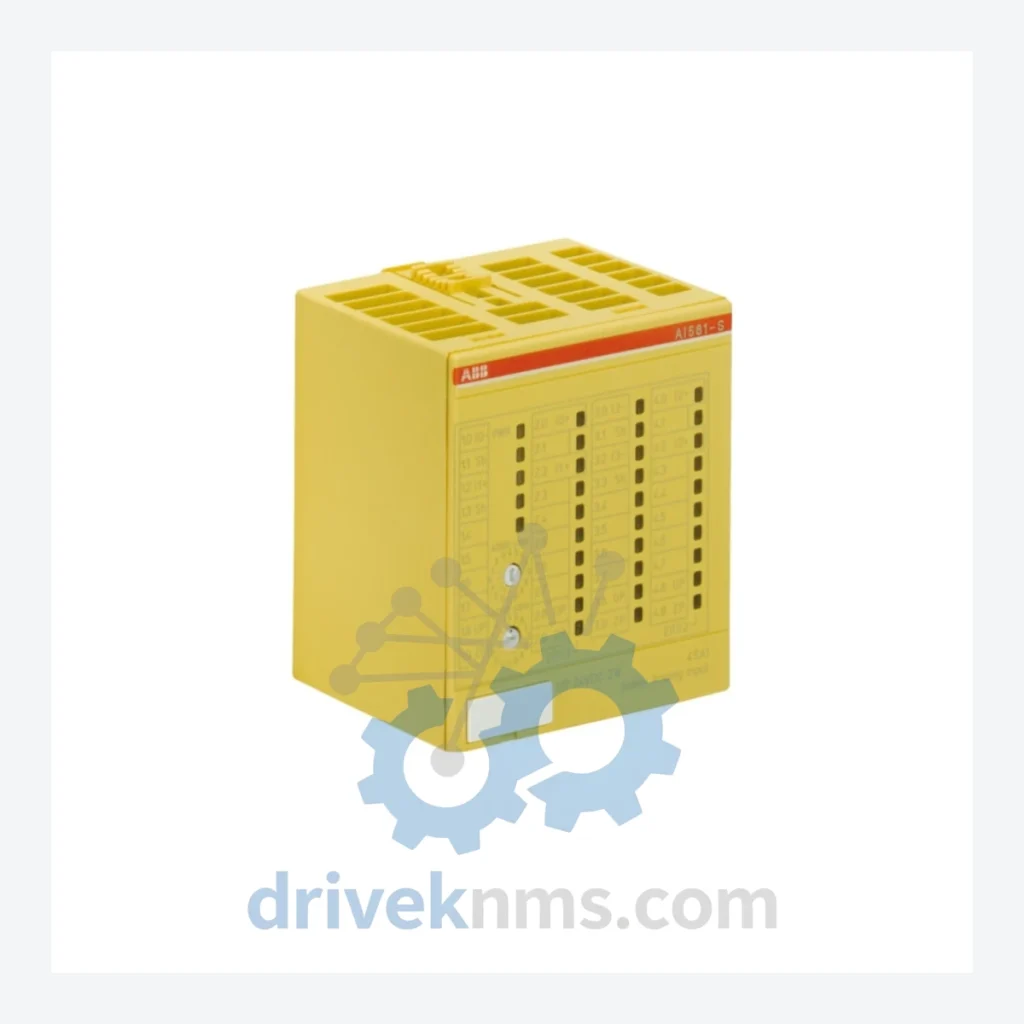
Product Overview
Commercial availability is handled through direct RFQ, model verification and export-oriented follow-up rather than public cart checkout.
Datasheet Preview
Use attached product manuals when available. If the manual is not public yet, request the full file directly through RFQ.
Commercial Path
Product pages on DRIVEKNMS are designed to verify model, brand and series first, then move the buyer into one clean quotation path.
Technical Dossier
The ABB AC500-S is ABB's dedicated safety-rated programmable logic controller platform, engineered for deployment in functional safety applications up to SIL 3 (IEC 62061) and PLe / Category 4 (ISO 13849-1). It is one of the most widely installed safety PLC architectures in global heavy industry, with documented deployments in chemical processing plants, nuclear power auxiliary systems, offshore oil and gas platforms, and petroleum refinery emergency shutdown (ESD) systems. The AC500-S operates as a safety extension to the standard ABB AC500 PLC family, sharing the same hardware backplane and communication infrastructure while adding a certified safety execution layer. This architectural decision — integrating safety and standard control on a unified platform — has made the AC500-S the preferred choice for plant engineers seeking to reduce cabinet footprint and simplify network topology in safety-instrumented systems (SIS).
ABB introduced the AC500 platform in the mid-2000s as a modular, scalable PLC family designed to replace legacy S500 and Advant Controller installations. The AC500-S safety extension was subsequently developed to address the growing regulatory demand for IEC 61508-certified control in process industries. Early AC500-S deployments used the SM560-S safety CPU paired with first-generation I/O modules communicating over the internal S-Bus. These early modules required dedicated safety I/O racks and could not share backplane slots with standard AC500 I/O — a limitation that was resolved in later hardware revisions.
The second-generation AC500-S architecture introduced the SM560-S-FD-1 and SM560-S-FD-4 CPUs with integrated fieldbus interfaces, enabling direct PROFIBUS DP and PROFINET IO connectivity without external communication modules. Simultaneously, ABB expanded the safety I/O catalog to include analog input modules (AI58x-S series), digital input modules (DI58x-S series), and digital output modules (DO58x-S series), all certified to SIL 3. The current generation supports PROFIsafe over PROFINET, enabling distributed safety I/O architectures across large plant networks. Legacy first-generation modules remain in service at many sites; ABB has maintained backward compatibility at the firmware level, but hardware interchangeability between generations requires careful verification of catalog numbers and firmware revisions before substitution.
The following SKUs represent the core AC500-S module range. Each entry is a verified ABB catalog number with a concise functional description.
Safety CPU Modules
Safety Analog Input Modules
Safety Digital Input Modules
Safety Digital Output Modules
Safety Communication & Power Modules
Safety PLC modules present unique verification challenges compared to standard industrial control hardware. The AC500-S backplane uses a proprietary S-Bus protocol for safety data exchange between the CPU and I/O modules; any module with corrupted firmware or damaged bus transceivers will fail to establish a certified safety communication link, rendering the module non-functional in a safety application even if it appears electrically intact.
DriveKNMS applies a multi-stage inspection protocol to all AC500-S modules: (1) Visual inspection of connector pins, housing integrity, and label authenticity against ABB factory specifications. (2) Powered bench test using an AC500-S reference rack with a known-good SM560-S CPU, verifying that the module correctly enumerates on the S-Bus and reports its certified catalog identity. (3) Channel-level functional test for I/O modules — each analog input channel on AI58x-S modules is stimulated with calibrated 4–20 mA signals and the digitized output is verified against ABB's published accuracy specifications. (4) Firmware version verification and comparison against ABB's current firmware compatibility matrix. Modules with outdated firmware are flagged and the customer is advised prior to shipment. (5) Final burn-in cycle of 48 hours under nominal operating conditions before packaging.
Continue The Model Path
Move from this exact model into the matching system hub, brand archive, model-family archive or lifecycle sourcing route before sending a final RFQ list.
Related Paths
ABB SM812K01 is listed for AC500-S Safety RFQ review. Confirm quantity, condition and destination before quotation.
ABB SNAT-7120 SNAZ 7120 J SNAZ7120J is listed for SNAZ7120J Series RFQ review. Confirm quantity, condition and destination before quotation.
ABB PM564-TP-ETH 1SAP121100R0071 is listed for Servo Drives RFQ review. Confirm quantity, condition and destination before quotation.