
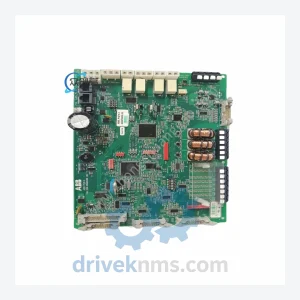
ABB ZPOW Series Power Modules ZPOW-7B1C
ABB ZPOW-7B1C is listed for ZPOW Series Power RFQ review. Confirm quantity, condition and destination before quotation.
RFQ-ready industrial model
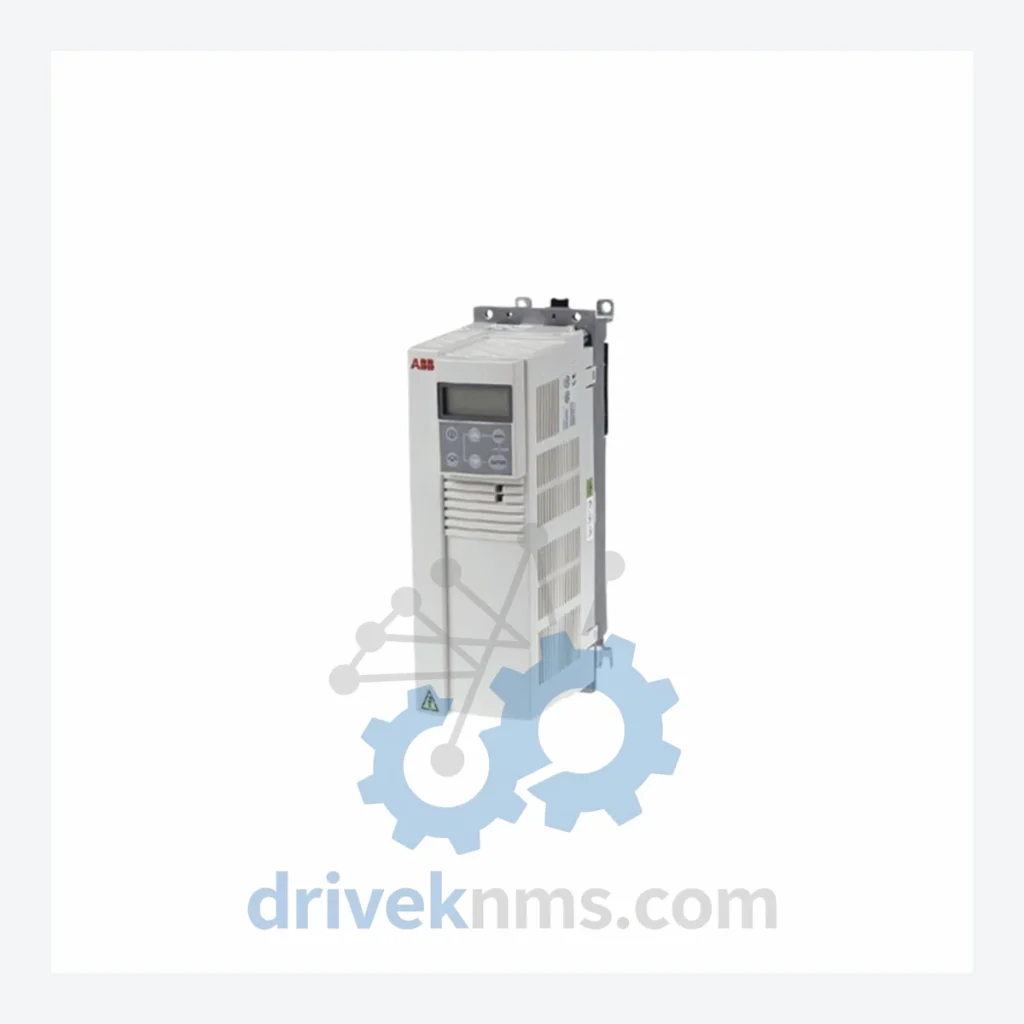
Model: ACS101-2K7-1-C
Product Overview
Commercial availability is handled through direct RFQ, model verification and export-oriented follow-up rather than public cart checkout.
Datasheet Preview
Use attached product manuals when available. If the manual is not public yet, request the full file directly through RFQ.
Commercial Path
Product pages on DRIVEKNMS are designed to verify model, brand and series first, then move the buyer into one clean quotation path.
Technical Dossier
RFQ support for obsolete parts: Send the model number, required quantity and destination so DriveKNMS can confirm sourcing options before quotation.
| Part Number | ACS101-2K7-1-C |
| Brand | ABB |
| Series | ACS101 |
| Product Type | Variable Frequency Drive (VFD) / AC Drive |
| Input Voltage | 1-phase, 200–240 V AC |
| Output Power | 2.7 kW (3.6 HP) |
| Output Current | 12.0 A |
| Output Frequency | 0–300 Hz |
| Enclosure | IP20 |
| Country of Origin | Finland |
| Discontinuation Status | Discontinued – No longer manufactured by ABB. Replaced by ACS310/ACS355 series, which require hardware and parameter reconfiguration. |
| Compatible Systems | Legacy ABB ACS100-series installations, single-phase pump and fan control panels, OEM machinery built circa 1998–2010 |
The ACS101 series was designed for single-phase input applications — a specification that made it the default choice for OEM machine builders throughout the late 1990s and 2000s. Conveyors, packaging lines, HVAC units, and small pump stations across manufacturing facilities worldwide were built around this drive. ABB's successor platforms (ACS310, ACS355, ACS380) are three-phase input devices. Retrofitting a single-phase installation to accept a three-phase replacement is not a parameter change — it requires electrical infrastructure modification, new cabling, panel redesign, and in many cases, a full safety re-certification of the machine.
For a plant running 20 or 30 machines built on ACS101 drives, the retrofit cost per unit can exceed the original machine value. The rational alternative — for asset protection and budget control — is to source verified ACS101-2K7-1-C units and maintain a controlled spare parts inventory. A single spare on the shelf converts a multi-week production halt into a two-hour maintenance event.
How to extend the service life of ACS101-equipped assets by 5–10 years:
Every ACS101-2K7-1-C unit shipped by DriveKNMS passes a structured 5-step inspection protocol before dispatch:
How many units should we hold as strategic spares?
For non-redundant critical applications (single drive controlling a process with no bypass), a minimum of two spares is recommended. For less critical or redundant applications, one spare per drive family is a reasonable baseline. DriveKNMS can assist with a site-level spare parts analysis on request.
Continue The Model Path
Move from this exact model into the matching system hub, brand archive, model-family archive or lifecycle sourcing route before sending a final RFQ list.
Related Paths
ABB ZPOW-7B1C is listed for ZPOW Series Power RFQ review. Confirm quantity, condition and destination before quotation.
ABB P3LB HENF209568R0001 is listed for Monitoring Systems RFQ review. Confirm quantity, condition and destination before quotation.
ABB PM154-3BSE003645R1 is listed for Monitoring Systems RFQ review. Confirm quantity, condition and destination before quotation.