
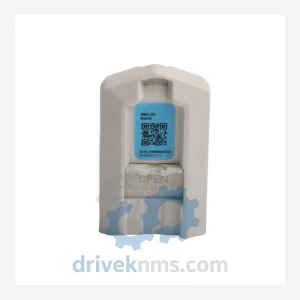
ABB ACS880 Modules ZMU-02 3AXD50000006010A Memory Unit Kit
ABB ZMU-02 3AXD50000006010A is listed for ACS880 RFQ review. Confirm quantity, condition and destination before quotation.
RFQ-ready industrial model
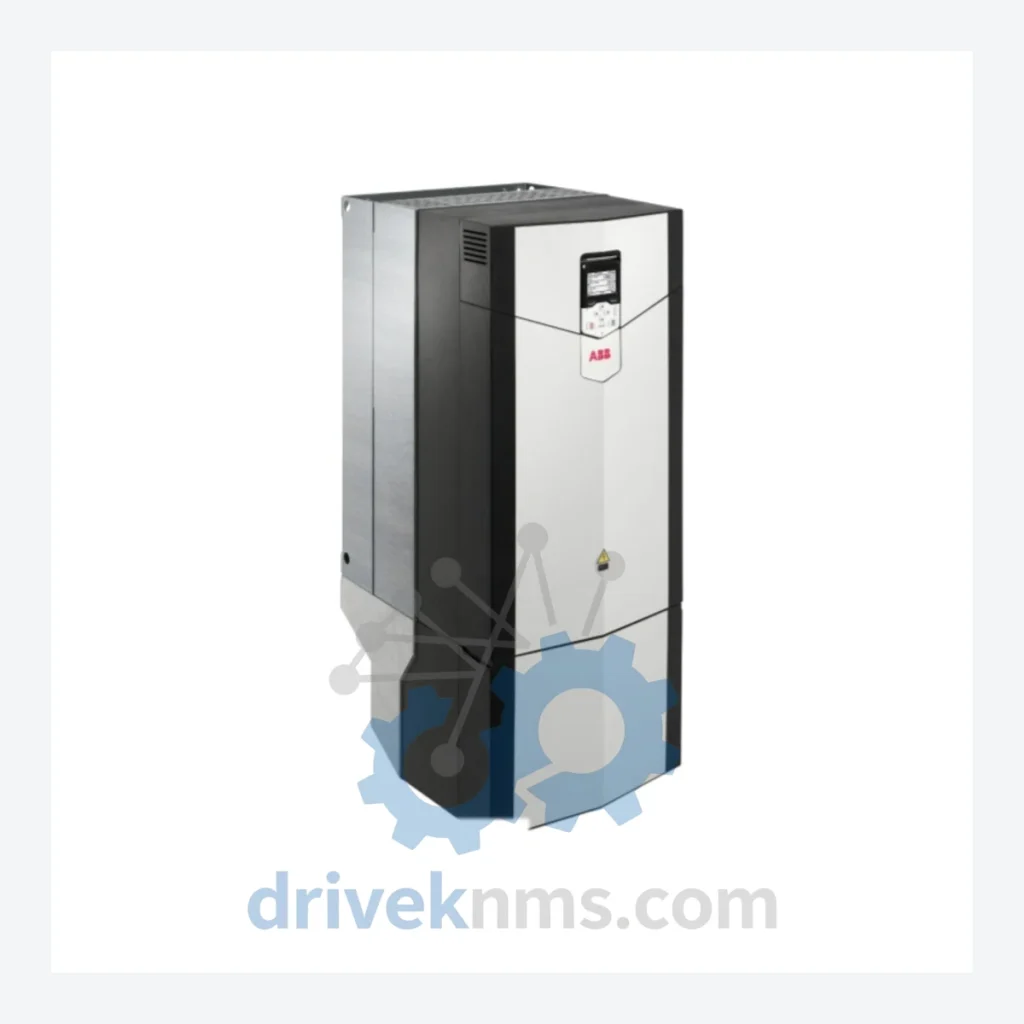
Model: ACS880-01-430A-3
Product Overview
Commercial availability is handled through direct RFQ, model verification and export-oriented follow-up rather than public cart checkout.
Datasheet Preview
Use attached product manuals when available. If the manual is not public yet, request the full file directly through RFQ.
Commercial Path
Product pages on DRIVEKNMS are designed to verify model, brand and series first, then move the buyer into one clean quotation path.
Technical Dossier
The ABB ACS880 is ABB's flagship industrial drive platform, engineered for demanding process industries including petrochemical refining, pulp and paper, mining, water treatment, and power generation. Since its commercial introduction in the early 2010s as the successor to the ACS800 platform, the ACS880 has accumulated a global installed base measured in hundreds of thousands of units across six continents. Its adoption in safety-critical environments — including offshore oil platforms, nuclear auxiliary systems, and continuous-process chemical plants — reflects its position as a tier-one drive architecture in the global automation market.
The ACS880 platform was developed as ABB's unified drive architecture (UDA), consolidating the previously fragmented ACS800, ACS600, and ACS550 product lines into a single hardware and firmware ecosystem. The core design objective was to standardize the control board (ZCON) and power module interfaces across frame sizes R1 through R11, enabling modular field replacement without full drive substitution.
Generation 1 (2012–2016): Initial release focused on single-drive wall-mount configurations (ACS880-01) and cabinet-built variants (ACS880-07). Firmware version 1.x introduced Direct Torque Control (DTC) as standard, with optional Safe Torque Off (STO) via the FSIO-21 safety module. Compatibility with DDCS fiber-optic communication was carried over from the ACS800 to ease migration.
Generation 2 (2016–2020): Introduction of the ACS880-04 regenerative drive and ACS880-11 low-harmonic drive. Expanded I/O option module catalog (FIO, FAIO, FDIO series). Integration of the Drive Composer PC tool replaced the older DriveWindow interface. PROFINET and EtherNet/IP adapters (FENA-21) became standard catalog items.
Q: How are RFQ terms confirmed?
A: Quantity, required condition, documentation needs, destination and sourcing route are confirmed during RFQ review before quotation.
Compatibility Warning for Procurement: ACS880 option modules (FENA, FDNA, FPBA, FIO series) are NOT backward-compatible with ACS800 drives. Verify the drive generation before ordering any communication adapter or I/O extension module.
The following SKUs represent the most frequently sourced models across the ACS880 platform. Each entry includes the functional classification and a concise application descriptor. Models are organized by product family.
Single Drive – Wall Mount (ACS880-01)
Cabinet Drive (ACS880-07)
Regenerative Drive (ACS880-04)
Low-Harmonic Drive (ACS880-11 / ACS880-17)
Option Modules & Communication Adapters
The ACS880 platform's installed base creates a predictable sourcing challenge: as plants defer capital expenditure on full drive replacements, demand for individual power modules, control boards, and option cards increases. ABB's active support for early ACS880-01 frame sizes (R1–R4, manufactured pre-2016) is narrowing, with some IGBT power modules and gate driver boards transitioning to limited-availability status.
Obsolescence Planning: If your plant operates ACS880-01 units manufactured before 2017, we recommend initiating a spare parts audit now. The ZCON control board and AINT interface board are the highest-risk components for long-lead procurement. Contact us with your drive serial numbers for a lifecycle assessment.
The ACS880's modular backplane and fiber-optic DDCS communication bus introduce specific failure modes that require targeted inspection protocols beyond visual examination.
Q: How are commercial terms confirmed?
A: Commercial terms are confirmed during RFQ review based on model, quantity, destination, documentation and sourcing route.
Q: Can you support multi-unit or repeat RFQ requests?
A: Yes. Send the model list, target quantity and destination so DRIVEKNMS can review sourcing options and quote the requirement as a project RFQ.
Continue The Model Path
Move from this exact model into the matching system hub, brand archive, model-family archive or lifecycle sourcing route before sending a final RFQ list.
Related Paths
ABB ZMU-02 3AXD50000006010A is listed for ACS880 RFQ review. Confirm quantity, condition and destination before quotation.
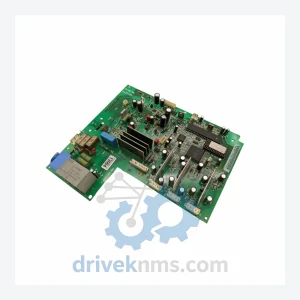
ABB SNAT-7120 SNAZ 7120 J SNAZ7120J is listed for SNAZ7120J Series RFQ review. Confirm quantity, condition and destination before quotation.
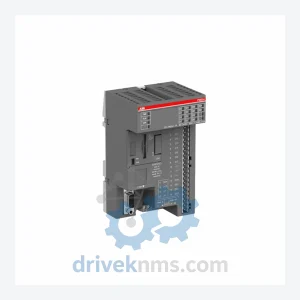
ABB PM564-TP-ETH 1SAP121100R0071 is listed for Servo Drives RFQ review. Confirm quantity, condition and destination before quotation.