
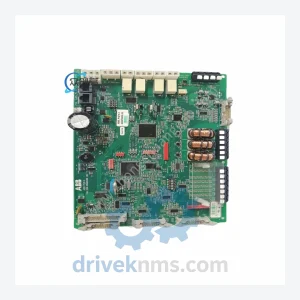
ABB ZPOW Series Power Modules ZPOW-7B1C
ABB ZPOW-7B1C is listed for ZPOW Series Power RFQ review. Confirm quantity, condition and destination before quotation.
RFQ-ready industrial model
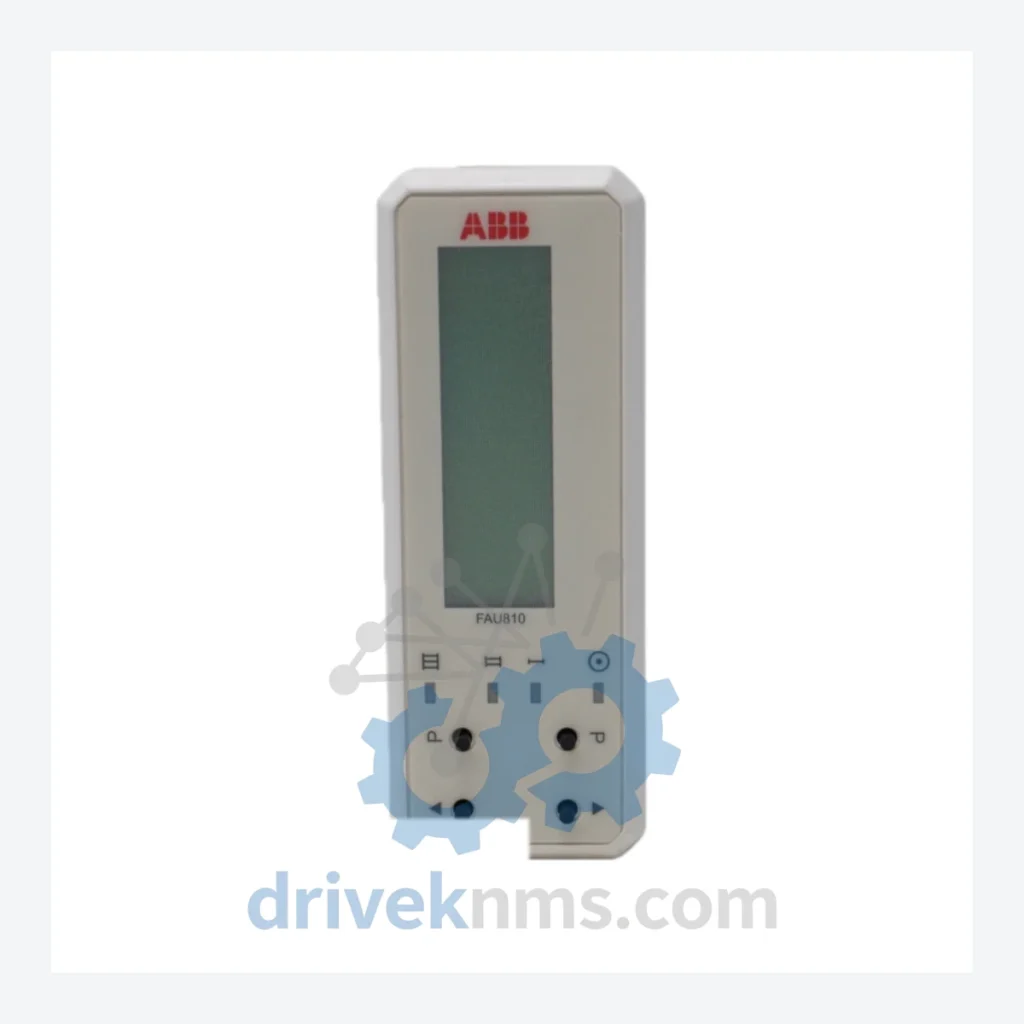
Model: FAU810 C10-12010
Product Overview
Commercial availability is handled through direct RFQ, model verification and export-oriented follow-up rather than public cart checkout.
Datasheet Preview
Use attached product manuals when available. If the manual is not public yet, request the full file directly through RFQ.
Commercial Path
Product pages on DRIVEKNMS are designed to verify model, brand and series first, then move the buyer into one clean quotation path.
Technical Dossier
RFQ support for obsolete parts: Send the model number, required quantity and destination so DriveKNMS can confirm sourcing options before quotation.
Note: Electrical parameters not confirmed from verified documentation are intentionally omitted. Contact us for datasheet support.
The ABB FAU810 C10-12010 is a flame signal processing module embedded in combustion safety loops that have operated reliably for 15–25 years. Its role is not decorative: it processes UV/IR detector signals, validates flame presence, and feeds the burner management system with the go/no-go data that governs fuel valve operation. There is no generic substitute. The signal conditioning logic, connector pinout, and communication protocol are specific to the ABB COMMANDER architecture.
When this module reaches end-of-life through component fatigue or electrical fault, the surrounding system does not simply degrade gracefully. Burner management systems are safety-critical by design — a missing or malfunctioning flame analysis input typically triggers a hard shutdown. In continuous process industries (glass, cement, petrochemical, power generation), an unplanned combustion system outage translates directly into lost production, emergency maintenance labor, and in some cases, regulatory reporting obligations.
The ABB COMMANDER platform itself has been out of active production support for over a decade. ABB's current portfolio has moved to the Ability™ and Symphony Plus families, which are architecturally incompatible with legacy COMMANDER wiring and I/O structures. A forced migration is not a maintenance event — it is a capital project. Procurement teams that maintain a strategic inventory of FAU810 C10-12010 units are not hoarding obsolete hardware; they are protecting the capital value of a functioning combustion control asset and deferring a seven-figure infrastructure decision on their own schedule.
Plant managers facing pressure to retire aging ABB COMMANDER systems have a financially defensible alternative: a structured spare parts program that extends operational life without system replacement. The following approach has been applied successfully across industrial facilities in Europe and Asia.
1. Criticality mapping: Identify every module in the COMMANDER loop whose failure would cause a safety shutdown or production halt. The FAU810 flame analysis unit is a Tier-1 critical component. Tier-1 items warrant a minimum of one verified spare unit on-site at all times.
3. Vendor-of-last-resort sourcing: OEM support for COMMANDER-series hardware is no longer available through ABB's standard channels. Specialist distributors with RFQ-reviewed sourcing status — not broker listings — are the only reliable source. Confirm that any supplier can provide inspection reports and, where applicable, firmware version documentation before purchase.
4. Firmware version control: Where the FAU810 contains programmable logic, confirm that replacement units carry the same firmware revision as the installed base. Mismatched firmware versions in safety-critical combustion loops can produce unexpected behavior during commissioning.
A disciplined spare parts program for a legacy ABB COMMANDER installation typically costs USD 15,000–50,000 over a 5-year horizon. The cost of a single unplanned combustion system outage in a continuous process plant routinely exceeds that figure within the first 48 hours. The arithmetic is not complicated.
DriveKNMS applies a 5-step quality process to all obsolete and refurbished units before dispatch:
Step 1 – Visual and mechanical inspection: Full examination of PCB surfaces, connector pins, and housing for corrosion, physical damage, or evidence of prior repair work. Units with undisclosed prior repairs are rejected.
Step 2 – Electrolytic capacitor assessment: Capacitor aging is the leading failure mode in electronics of this generation. Each unit is assessed for capacitor bulge, leakage, and ESR (Equivalent Series Resistance) deviation. Where degradation is confirmed, capacitors are replaced with specification-matched components.
Step 3 – Firmware version verification: Where applicable, firmware or EPROM versions are documented and matched against the customer's installed revision to prevent compatibility issues on installation.
Step 4 – Pin and connector integrity check: All I/O connectors are inspected for oxidation, bent pins, and contact resistance. Connector contacts are cleaned and treated where necessary.
Step 5 – Functional burn-in: Units are powered and monitored under controlled conditions prior to packaging. Any unit that does not pass functional verification is quarantined and not offered for sale.
Drop-in replacement: The FAU810 C10-12010 installs directly into the existing COMMANDER chassis slot. No rewiring, no I/O remapping, no PLC reprogramming. Maintenance teams can complete a swap during a standard planned outage window.
No engineering rework required: Because the module is form-fit-function identical to the original, there is no requirement to engage a controls engineer for system reconfiguration. This eliminates the largest cost component of most legacy hardware replacement projects.
Avoids forced system migration: Each verified spare unit in inventory is, in practical terms, a deferral of a capital expenditure decision. Plants that maintain adequate spare coverage retain full control over their upgrade timeline rather than being forced into emergency procurement or unplanned capital projects.
Documented traceability: DriveKNMS provides documentation of unit condition, inspection results, and where available, original manufacturer labeling. This supports maintenance record-keeping and audit requirements in regulated industries.
Continue The Model Path
Move from this exact model into the matching system hub, brand archive, model-family archive or lifecycle sourcing route before sending a final RFQ list.
Related Paths
ABB ZPOW-7B1C is listed for ZPOW Series Power RFQ review. Confirm quantity, condition and destination before quotation.
ABB P3LB HENF209568R0001 is listed for Monitoring Systems RFQ review. Confirm quantity, condition and destination before quotation.
ABB PM154-3BSE003645R1 is listed for Monitoring Systems RFQ review. Confirm quantity, condition and destination before quotation.