
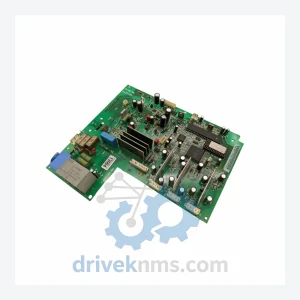
ABB SNAT-7120 Circuit Board – SNAZ7120J Series
ABB SNAT-7120 SNAZ 7120 J SNAZ7120J is listed for SNAZ7120J Series RFQ review. Confirm quantity, condition and destination before quotation.
RFQ-ready industrial model
Model: IRB26003HAC047584-002 3HAC047584-002 IRB26003HAC034644-004
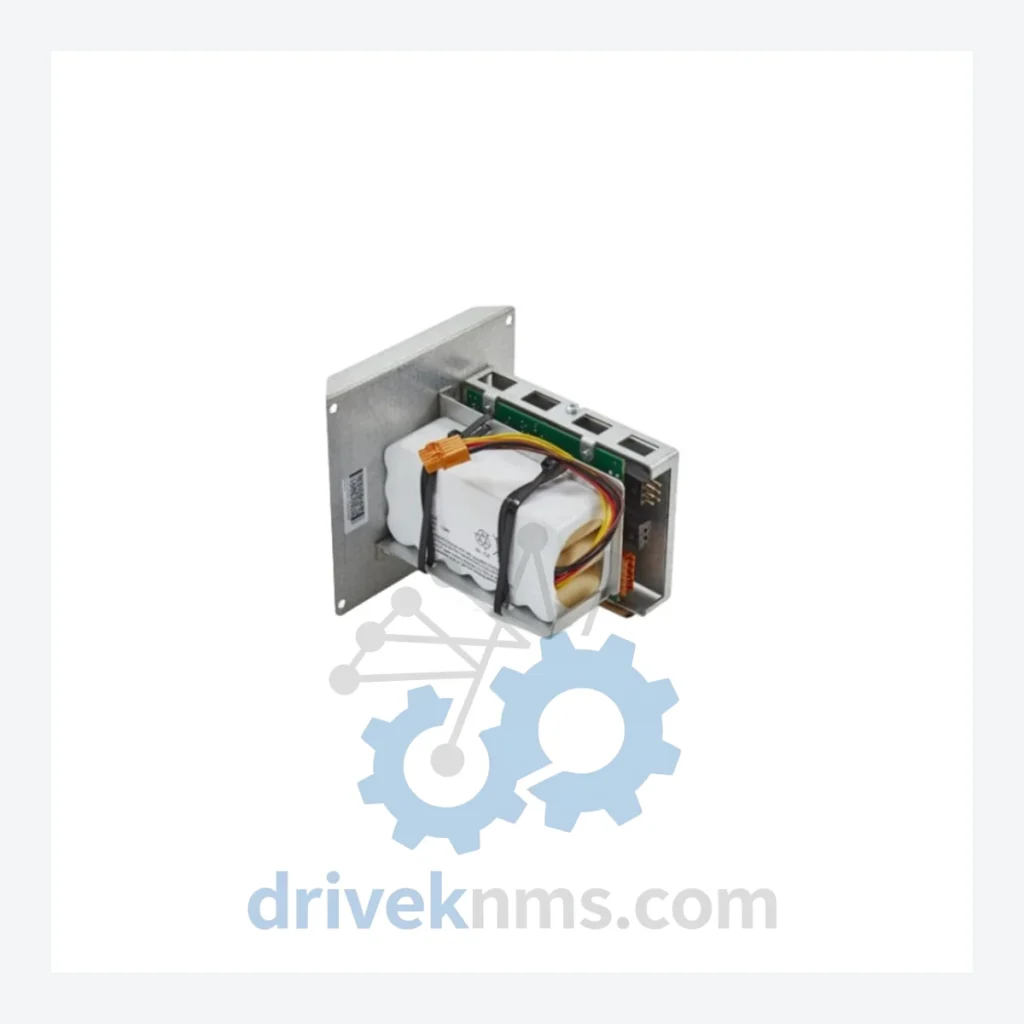
Product Overview
Commercial availability is handled through direct RFQ, model verification and export-oriented follow-up rather than public cart checkout.
Datasheet Preview
Use attached product manuals when available. If the manual is not public yet, request the full file directly through RFQ.
Commercial Path
Product pages on DRIVEKNMS are designed to verify model, brand and series first, then move the buyer into one clean quotation path.
Technical Dossier
The ABB IRB 2600 is a 6-axis industrial robot platform engineered for medium-payload applications in the range of 12–20 kg, with a reach envelope of 1.65 m to 1.85 m. It has achieved widespread deployment across global heavy industry sectors including automotive body-in-white assembly, chemical processing plants, oil refinery pipe-handling cells, and nuclear facility maintenance operations. Its compact footprint combined with a high wrist torque rating makes it a preferred platform for arc welding, material handling, machine tending, and press-tending applications. The IRB 2600 operates under ABB's IRC5 controller architecture and is fully compatible with RobotWare 5.x and 6.x software stacks. As of 2026, the IRB 2600 series is in its mature lifecycle phase, with ABB having transitioned primary development focus to the IRB 2600ID and IRB 2700 platforms. Long-term spare parts support and axis module availability remain critical for facilities operating existing IRB 2600 installations.
The IRB 2600 was introduced by ABB Robotics as a successor to the IRB 2400 platform, addressing demand for higher payload density and improved path accuracy in confined work envelopes. Early production units (pre-2010) used a first-generation axis-1 gearbox assembly with a separate motor flange interface. From 2011 onward, ABB consolidated the axis-3 upper arm and wrist assembly into an integrated casting, reducing backlash and improving repeatability to ±0.03 mm. The 3HAC047584-002 axis computer board represents the second-generation motion control hardware, replacing the earlier 3HAC026254-001 variant with improved FPGA-based current loop processing. The 3HAC034644-004 axis module introduced revised encoder feedback circuitry compatible with the Hiperface DSL single-cable resolver standard. Compatibility between first- and second-generation axis boards requires firmware alignment at RobotWare build level; cross-generation substitution without firmware update will result in axis calibration faults (error code 50204). Facilities migrating from IRB 2400 to IRB 2600 must also account for differing base mounting bolt patterns (IRB 2400: 4×M16; IRB 2600: 6×M16).
The following SKUs represent the verified component catalog for the ABB IRB 2600 series, classified by functional category. Each entry reflects a discrete, field-replaceable unit (FRU) within the robot's mechanical or electrical architecture.
Axis Computer & Drive Boards
Motors & Gearboxes
Wrist & Upper Arm Assemblies
Power Supply & I/O
All IRB 2600 axis boards and drive units processed by DriveKNMS undergo a structured test protocol prior to dispatch. Axis computer boards (3HAC047584-002, 3HAC026254-001) are bench-tested on an IRC5 controller test rig with simulated resolver feedback across all six axes, verifying current loop response, FPGA firmware integrity, and communication bus (PROFIBUS/DeviceNet/EtherNet/IP) handshake. Gearbox assemblies are inspected for backlash within ABB's published tolerance (axis 1: ≤0.02°; axis 2–3: ≤0.03°) using a calibrated dial indicator fixture. Motor units are tested for winding resistance symmetry (±5% tolerance across phases), insulation resistance (≥100 MΩ at 500V DC), and resolver output signal amplitude. SMB boards are validated for resolver excitation voltage (7V RMS ±2%) and signal-to-noise ratio. All units are issued a DriveKNMS test certificate with individual serial number traceability before dispatch review.
Continue The Model Path
Move from this exact model into the matching system hub, brand archive, model-family archive or lifecycle sourcing route before sending a final RFQ list.
Related Paths
ABB SNAT-7120 SNAZ 7120 J SNAZ7120J is listed for SNAZ7120J Series RFQ review. Confirm quantity, condition and destination before quotation.
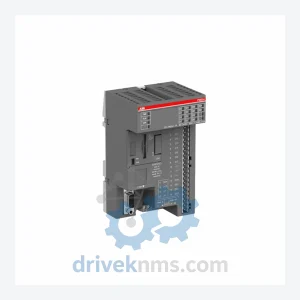
ABB PM564-TP-ETH 1SAP121100R0071 is listed for Servo Drives RFQ review. Confirm quantity, condition and destination before quotation.
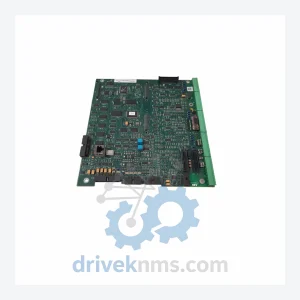
ABB SCDCS-CON-4 is listed for CON-4 Control Board RFQ review. Confirm quantity, condition and destination before quotation.