
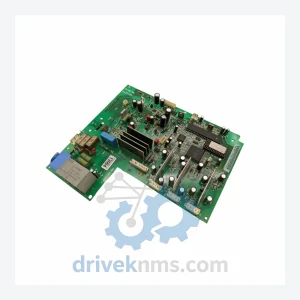
ABB SNAT-7120 Circuit Board – SNAZ7120J Series
ABB SNAT-7120 SNAZ 7120 J SNAZ7120J is listed for SNAZ7120J Series RFQ review. Confirm quantity, condition and destination before quotation.
RFQ-ready industrial model
Model: LDMUI-01 61320946C
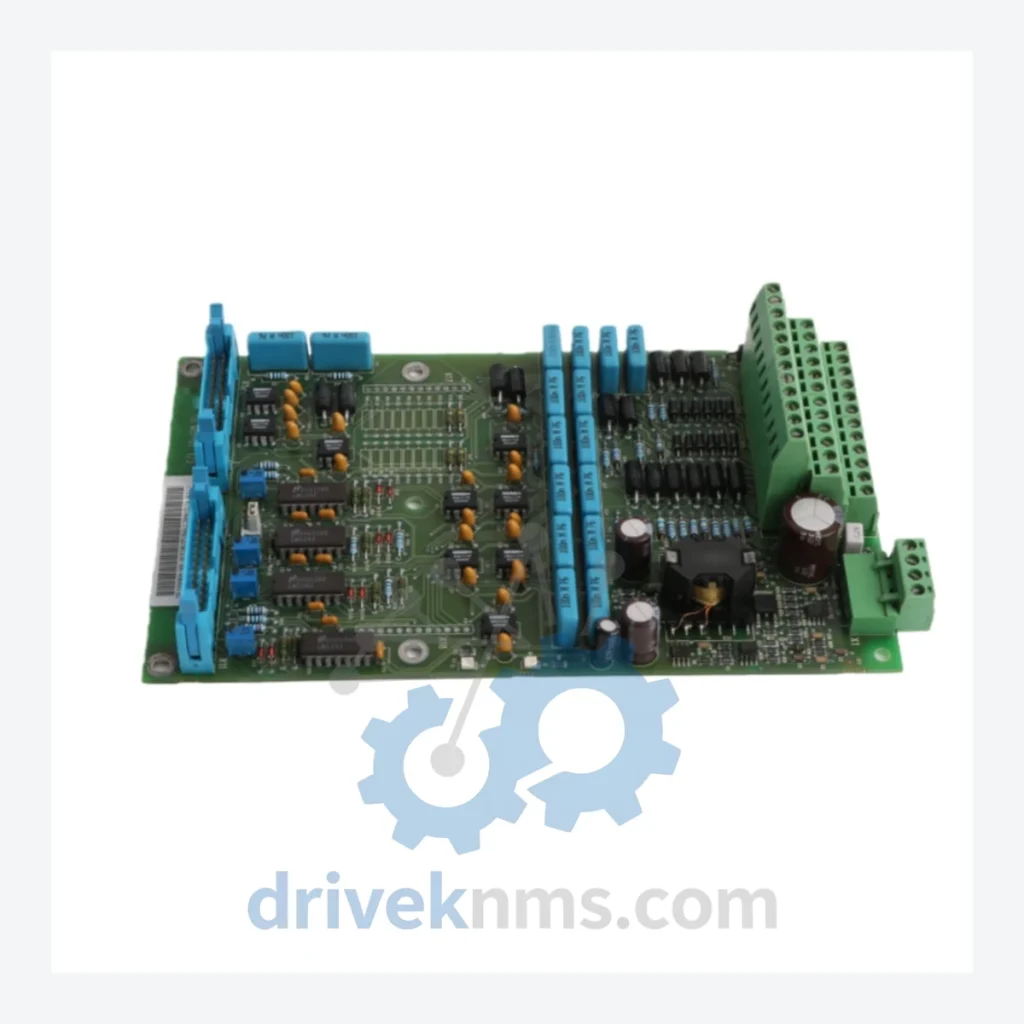
Product Overview
Commercial availability is handled through direct RFQ, model verification and export-oriented follow-up rather than public cart checkout.
Datasheet Preview
Use attached product manuals when available. If the manual is not public yet, request the full file directly through RFQ.
Commercial Path
Product pages on DRIVEKNMS are designed to verify model, brand and series first, then move the buyer into one clean quotation path.
Technical Dossier
RFQ support for obsolete parts: Send the model number, required quantity and destination so DriveKNMS can confirm sourcing options before quotation.
Note: Electrical parameters such as input voltage range, current ratings, and communication protocol specifics are not published here to avoid inaccuracy. Please contact us directly for verified datasheet documentation.
The ABB MasterPiece platform — including variants such as MasterPiece 200 and MasterPiece 90 — was deployed extensively across power generation, pulp and paper, chemical processing, and water treatment facilities throughout the 1990s and early 2000s. Many of these installations remain operational today, not because operators are unaware of the discontinuation, but because the business case for a full DCS migration simply does not justify the disruption.
The LDMUI-01 61320946C sits within the power distribution and control layer of these systems. Its failure does not produce a graceful degradation — it produces a hard stop. Unlike software-defined systems where a workaround can be patched in, hardware modules of this generation have no software substitute. The physical module must be replaced with an identical or fully compatible unit.
For plant managers and maintenance engineers facing pressure to retire aging DCS infrastructure, the following strategy has proven effective across multiple industries in extending operational life without committing to a full system overhaul:
1. Conduct a failure-mode audit of your MasterPiece installation. Identify which modules carry the highest consequence of failure — power control, I/O interfaces, and communication bridges are typically the highest risk. The LDMUI-01 falls into this category.
3. Negotiate a long-term supply agreement with a verified obsolete parts distributor. Spot-buying at the moment of failure is the most expensive and least reliable approach. Locking in pricing and availability in advance — even for a 3-year horizon — provides budget predictability and operational security.
4. Document firmware and configuration states before any module swap. For MasterPiece-era hardware, configuration data is often stored locally on the module or in adjacent memory units. A pre-swap documentation protocol prevents configuration loss during replacement.
This approach consistently delivers 5–10 additional years of reliable operation from MasterPiece installations, at a cost that is orders of magnitude lower than a full DCS migration.
Every LDMUI-01 61320946C unit supplied by DriveKNMS passes through a structured 5-step quality process before dispatch:
Step 1 – Visual and Physical Inspection: Full examination of PCB surfaces, connector pins, and housing integrity. Any unit showing physical damage, corrosion, or evidence of prior repair is quarantined.
Step 2 – Electrolytic Capacitor Assessment: Capacitors are the primary age-related failure point in power control modules of this era. Each unit is assessed for capacitor bulging, leakage, and ESR deviation. Units with degraded capacitors are either recapped by qualified technicians or rejected.
Step 3 – Firmware Version Verification: Where firmware is embedded in the module, the version is documented and cross-referenced against known compatible revisions for MasterPiece system configurations.
Step 4 – Pin and Contact Integrity Check: All connector pins are inspected for oxidation, bending, and contact resistance. Affected contacts are treated or the unit is rejected.
Step 5 – Functional Bench Test: Where test equipment permits, units are powered and tested against baseline operational parameters before packaging.
Units are packaged in anti-static materials and shipped with full documentation of condition grade and QA findings.
Drop-in replacement: The LDMUI-01 61320946C is a direct hardware replacement for the original module position within MasterPiece installations. No rewiring, no rack modification.
No reprogramming required: Configuration is held at the system level in MasterPiece architecture. Module replacement does not require re-engineering of control logic, which eliminates the need for costly automation engineering involvement in routine maintenance.
Q: How are RFQ terms confirmed?
A: Quantity, required condition, documentation needs, destination and sourcing route are confirmed during RFQ review before quotation.
Immediate dispatch from RFQ-reviewed sourcing status: DriveKNMS holds physical inventory. Orders are not placed on back-order or sourced speculatively — what is listed is what is available.
Q: How is condition confirmed before quotation?
A: Available condition, photos, test records and documentation are checked according to the requested model and sourcing channel before a formal RFQ response.
Should I buy more than one unit?
For any facility still operating on MasterPiece infrastructure, holding a minimum of one spare LDMUI-01 is a standard risk management measure. Given the declining availability of this module in the secondary market, purchasing two units now — one for immediate standby, one for longer-term reserve — is a defensible maintenance strategy. Availability cannot be guaranteed at the time of your next failure event.
Can you source other ABB MasterPiece modules?
Yes. DriveKNMS specializes in legacy ABB components across the MasterPiece, Advant, and related platforms. Contact us with your full part number list for availability and pricing.
Continue The Model Path
Move from this exact model into the matching system hub, brand archive, model-family archive or lifecycle sourcing route before sending a final RFQ list.
Related Paths
ABB SNAT-7120 SNAZ 7120 J SNAZ7120J is listed for SNAZ7120J Series RFQ review. Confirm quantity, condition and destination before quotation.
ABB PM564-TP-ETH 1SAP121100R0071 is listed for Servo Drives RFQ review. Confirm quantity, condition and destination before quotation.
ABB SCDCS-CON-4 is listed for CON-4 Control Board RFQ review. Confirm quantity, condition and destination before quotation.