
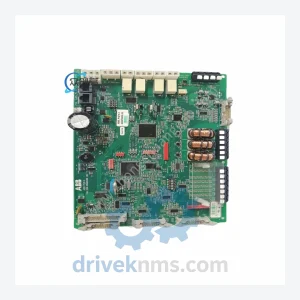
ABB ZPOW Series Power Modules ZPOW-7B1C
ABB ZPOW-7B1C is listed for ZPOW Series Power RFQ review. Confirm quantity, condition and destination before quotation.
RFQ-ready industrial model
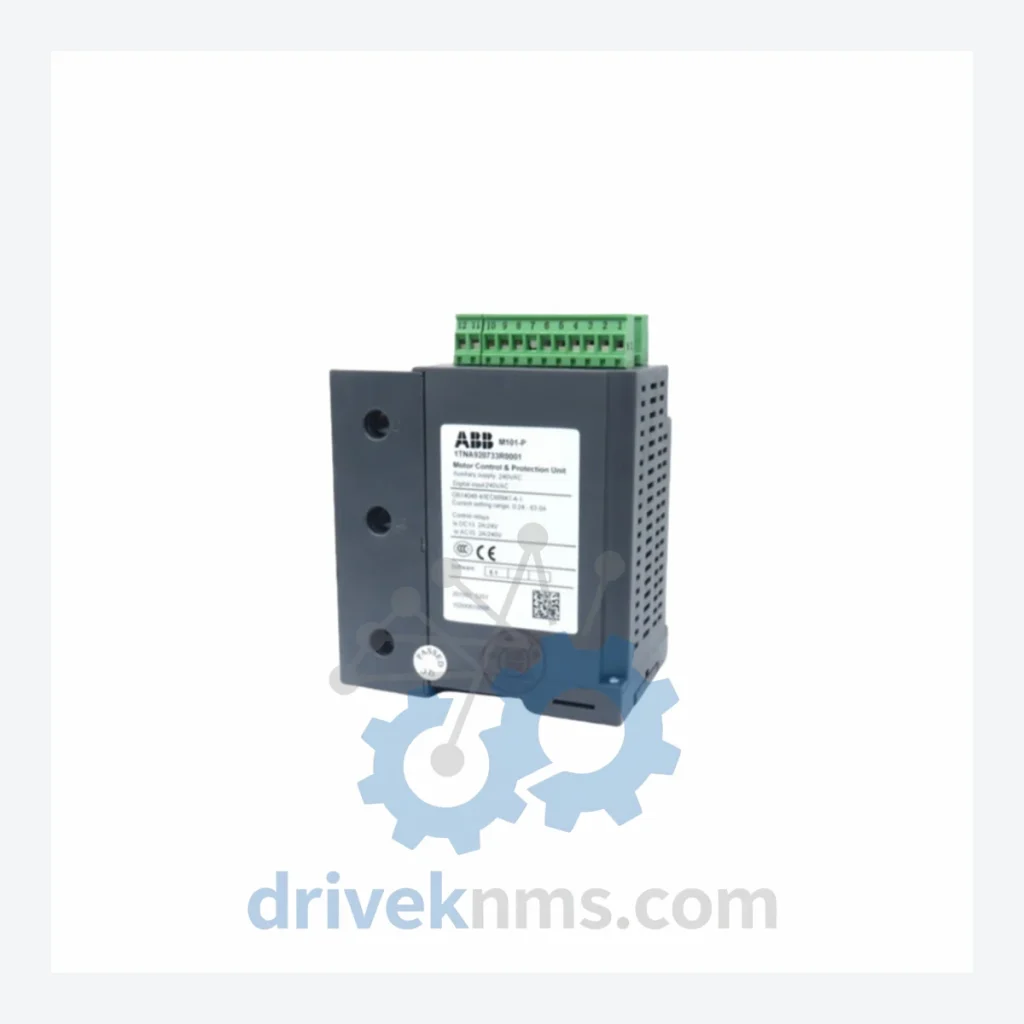
Model: M102-P
Product Overview
Commercial availability is handled through direct RFQ, model verification and export-oriented follow-up rather than public cart checkout.
Datasheet Preview
Use attached product manuals when available. If the manual is not public yet, request the full file directly through RFQ.
Commercial Path
Product pages on DRIVEKNMS are designed to verify model, brand and series first, then move the buyer into one clean quotation path.
Technical Dossier
The ABB M102 series is a dedicated line of motor management and protection relay modules engineered for continuous-duty industrial environments. Deployed extensively across global heavy industry — including petrochemical complexes, nuclear auxiliary systems, offshore platforms, and refinery motor control centers (MCCs) — the M102 platform provides standardized, DIN-rail-compatible protection and I/O expansion for low-voltage motor feeders rated up to 690 V AC. Its modular architecture allows plant engineers to configure protection, monitoring, and communication functions independently, reducing spare parts inventory complexity and enabling targeted replacement without full relay changeout.
The series integrates directly with ABB's System pro M compact and MNS switchgear families, and is compatible with PROFIBUS-DP and Modbus RTU fieldbus architectures, making it a long-standing fixture in distributed control system (DCS) and SCADA-linked motor management schemes.
The M102 platform was introduced as ABB's response to the industry demand for modular, field-replaceable motor protection at the feeder level. Early variants focused on thermal overload and phase-loss detection with analog output signaling. Subsequent generations added digital I/O expansion modules (the -P and -T suffixes), enabling integration with PLC-based control systems without requiring dedicated protection relays per feeder.
The introduction of communication-capable variants (PROFIBUS, Modbus) marked the transition from standalone relay logic to networked motor management, allowing condition data — run hours, trip counts, thermal state — to be aggregated at the DCS level. Later revisions addressed IEC 60947-4-1 compliance updates and added ground-fault detection capability.
Compatibility note: M102 modules use a proprietary backplane connector. Cross-generation substitution requires verification of firmware revision and terminal block pinout. Modules from pre-2005 production runs may require adapter kits when replacing with current-production equivalents.
The following SKUs represent the verified M102 series module range. Each entry is classified by functional category.
Input/Output Modules
Base Protection Relay Units
Communication Adapter Modules
Power Supply & Auxiliary Modules
Expansion & Specialty Modules
DriveKNMS maintains a dedicated inventory of tested, pull-out, and refurbished M102 series modules sourced from decommissioned switchgear panels and controlled plant shutdowns. Our procurement network covers Europe, North America, and Asia-Pacific, enabling us to locate specific revision levels and date codes required for direct replacement in validated safety systems.
M102 modules present specific test challenges due to their backplane bus communication architecture and mixed analog/digital signal paths. DriveKNMS applies the following test protocol to all M102 units prior to dispatch:
Continue The Model Path
Move from this exact model into the matching system hub, brand archive, model-family archive or lifecycle sourcing route before sending a final RFQ list.
Related Paths
ABB ZPOW-7B1C is listed for ZPOW Series Power RFQ review. Confirm quantity, condition and destination before quotation.
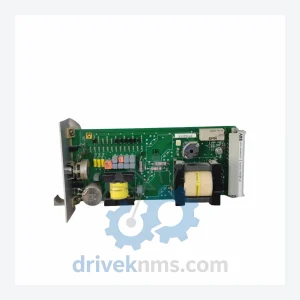
ABB P3LB HENF209568R0001 is listed for Monitoring Systems RFQ review. Confirm quantity, condition and destination before quotation.
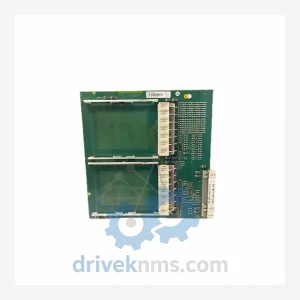
ABB PM154-3BSE003645R1 is listed for Monitoring Systems RFQ review. Confirm quantity, condition and destination before quotation.