
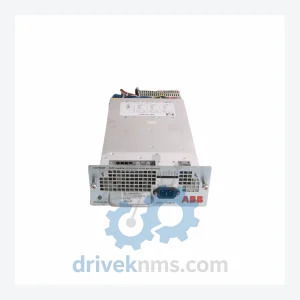
ABB P-HA-RPS-32200000 Power Supply Module – PHARPS32200000
ABB P-HA-RPS-32200000 PHARPS32200000 is listed for Power Supplies RFQ review. Confirm quantity, condition and destination before quotation.
RFQ-ready industrial model
Model: MOD600FLECMIR QMS 2.23.00.14 0020-29344-A 810-495659-006
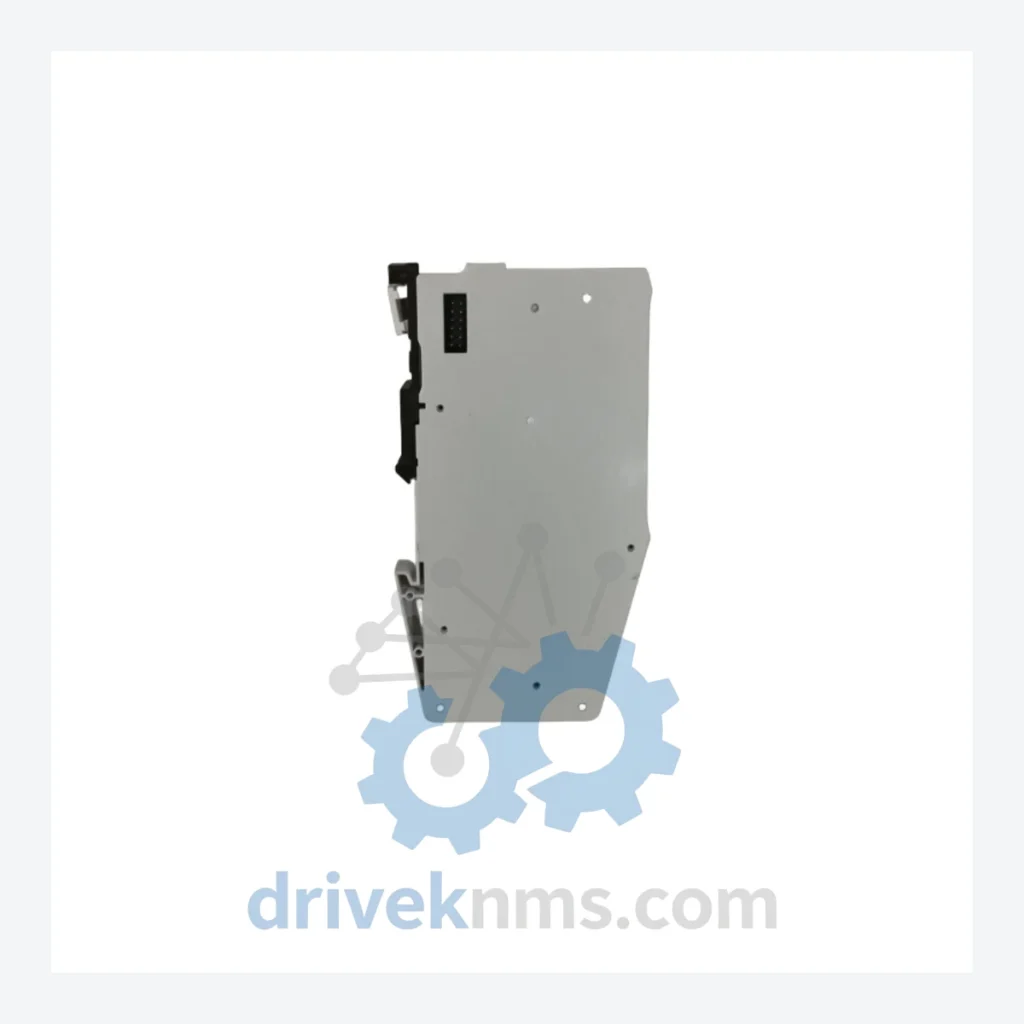
Product Overview
Commercial availability is handled through direct RFQ, model verification and export-oriented follow-up rather than public cart checkout.
Datasheet Preview
Use attached product manuals when available. If the manual is not public yet, request the full file directly through RFQ.
Commercial Path
Product pages on DRIVEKNMS are designed to verify model, brand and series first, then move the buyer into one clean quotation path.
Technical Dossier
The MOD600 platform achieved widespread adoption throughout the 1980s and 1990s and remains operational in thousands of installed base sites worldwide. Its longevity is attributable to the robustness of its hardware design, the stability of its proprietary MODCELL communication bus, and the high cost of full DCS migration projects. As of 2026, the MOD600 series is classified as a mature/end-of-life product line by ABB, with no new hardware production. Lifecycle extension and spare parts sourcing are the primary support requirements for existing installations.
The MOD600 system was introduced in the early 1980s as part of ABB's MASTER series DCS family. The original architecture used a parallel backplane bus with proprietary MODCELL protocol for inter-module communication. Early revisions (QMS 1.x firmware) supported basic analog and digital I/O with limited redundancy options. The QMS 2.x generation — to which the MOD600FLECMIR QMS 2.23.00.14 belongs — introduced enhanced diagnostics, improved noise immunity, and expanded support for redundant power supply configurations.
Compatibility between QMS firmware generations is not guaranteed. Modules running QMS 1.x firmware are not directly interchangeable with QMS 2.x modules without system-level configuration review. The backplane connector pinout remained consistent across the MOD600 product lifecycle, but firmware version mismatches can cause bus arbitration failures. Engineers performing module replacement must verify QMS revision compatibility before installation.
The MOD600 was succeeded by the ABB Advant OCS and later the System 800xA platform. However, direct migration from MOD600 to 800xA requires hardware replacement at the I/O marshalling level and is typically executed in phased plant turnaround projects rather than as a single cutover.
Power Supply Modules
CPU / Controller Modules
Analog Input Modules
Analog Output Modules
Digital Input / Output Modules
Communication / Adapter Modules
ABB formally discontinued new production of MOD600 hardware. Replacement modules are no longer available through ABB's standard distribution channels. For plant operators maintaining MOD600-based control systems, the sourcing of tested surplus and refurbished modules is the primary strategy for lifecycle extension without full DCS migration.
MOD600 power supply and communication modules require specialized test procedures due to the proprietary MODCELL backplane bus protocol. Standard bench power-on testing is insufficient to confirm operational status of bus-dependent modules.
DriveKNMS applies the following test protocol to MOD600 modules: (1) Visual inspection — PCB condition, capacitor integrity, connector pin condition, conformal coating assessment. (2) Power-on test — input voltage application at rated specification, output voltage measurement at backplane connector pins, fault relay continuity check. (3) Functional bus test — module insertion into a live MOD600 test rack running QMS 2.x firmware, MODCELL bus enumeration confirmation, diagnostic LED status verification. (4) Burn-in — 48-hour continuous operation under load at ambient temperature 40°C. (5) Final inspection — re-measurement of all output parameters, documentation of test results with unit serial number.
Continue The Model Path
Move from this exact model into the matching system hub, brand archive, model-family archive or lifecycle sourcing route before sending a final RFQ list.
Related Paths
ABB P-HA-RPS-32200000 PHARPS32200000 is listed for Power Supplies RFQ review. Confirm quantity, condition and destination before quotation.
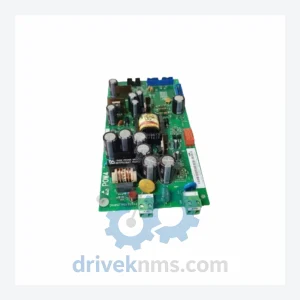
ABB SDCD-POW-4 3ADT315100R1001 is listed for Power Supplies RFQ review. Confirm quantity, condition and destination before quotation.
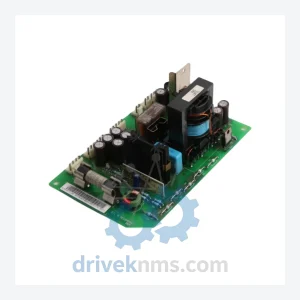
ABB NPOW-62C 64113429B is listed for Power Supplies RFQ review. Confirm quantity, condition and destination before quotation.