
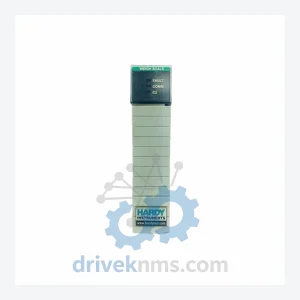
HARDY 1756-2WS Weigh Scale Module ControlLogix-Compatible Weighing I/O for Industrial Process Control
Hardy 1756-2WS is listed for ControlLogix RFQ review. Confirm quantity, condition and destination before quotation.
RFQ-ready industrial model
Model: MVI56-MCM
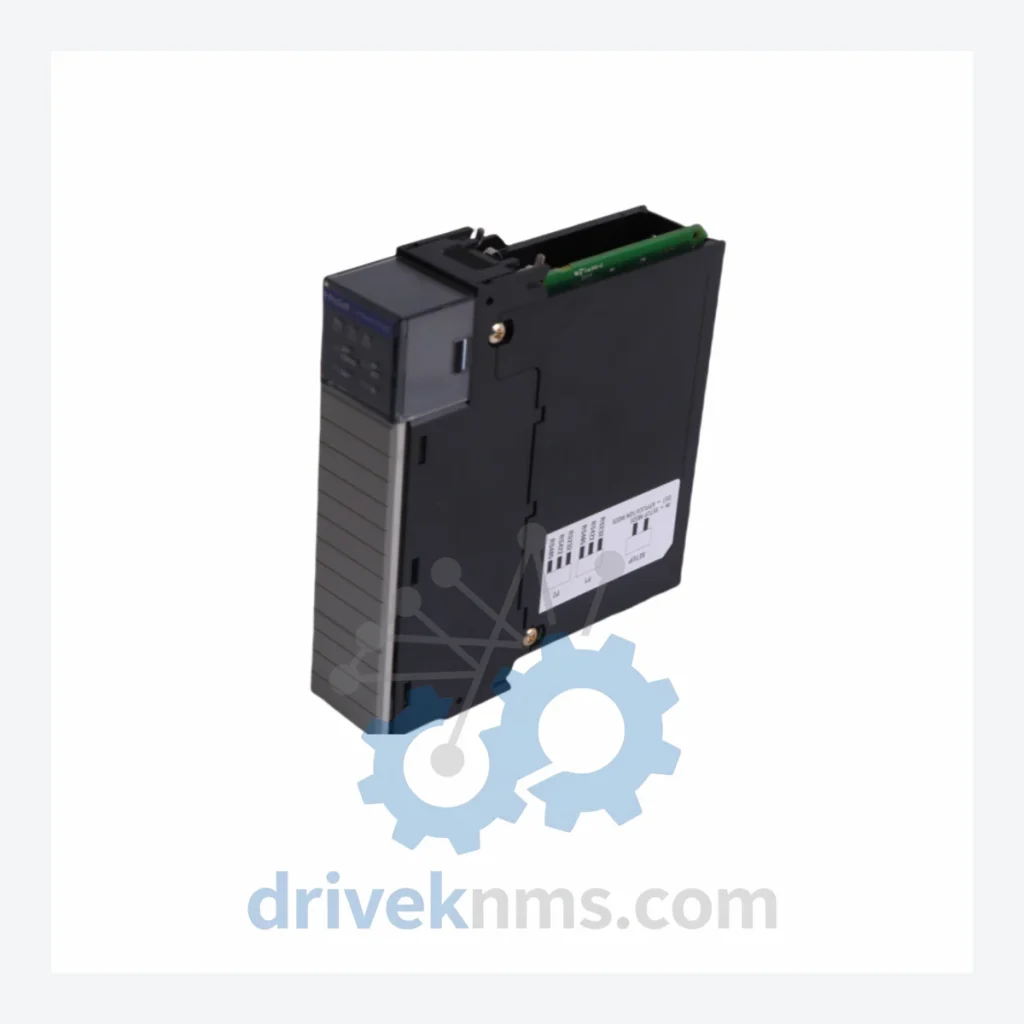
Product Overview
Commercial availability is handled through direct RFQ, model verification and export-oriented follow-up rather than public cart checkout.
Datasheet Preview
Use attached product manuals when available. If the manual is not public yet, request the full file directly through RFQ.
Commercial Path
Product pages on DRIVEKNMS are designed to verify model, brand and series first, then move the buyer into one clean quotation path.
Technical Dossier
RFQ support for obsolete parts: Send the model number, required quantity and destination so DriveKNMS can confirm sourcing options before quotation.
| Parameter | Detail |
|---|---|
| Manufacturer | ProSoft Technology |
| Part Number | MVI56-MCM |
| Product Series | MVI56 (ControlLogix Communication Modules) |
| Protocol Support | Modbus RTU / Modbus ASCII (Master and Slave) |
| Platform Compatibility | Allen-Bradley ControlLogix (1756 backplane) |
| Communication Ports | 2 × RS-232/RS-422/RS-485 configurable serial ports |
| Backplane Interface | ControlLogix 1756 local or remote rack |
| Product Status | Discontinued / Obsolete – No longer manufactured |
| Country of Origin | United States |
Note: Electrical parameters not listed above are not independently verified by DriveKNMS. Specifications are sourced from publicly available ProSoft Technology documentation. Do not rely on unverified third-party parameter claims for safety-critical applications.
The MVI56-MCM was a standard-fit solution for integrating Modbus RTU/ASCII field devices — flow meters, drives, analyzers, and remote I/O — into Allen-Bradley ControlLogix architectures. Thousands of units were deployed across oil and gas, water treatment, power generation, and discrete manufacturing facilities throughout the 2000s and 2010s.
ProSoft Technology has since discontinued the MVI56-MCM in favor of newer platform generations. However, the installed base of ControlLogix systems using this module remains substantial. The core problem facing plant engineering teams is this: the surrounding infrastructure — the PLC chassis, the field wiring, the Modbus device network, and the validated control logic — was designed around the MVI56-MCM's specific behavior, register mapping, and configuration file structure. Substituting a different module is not a configuration change. It is a re-engineering project.
For facilities under pressure to maintain production targets, the practical strategy is asset life extension through strategic spare parts holding. A plant that secures two to three MVI56-MCM units today can realistically defer a full control system migration by five to ten years — time that allows for planned capital budgeting, phased migration, and technology selection on the plant's own schedule rather than under emergency conditions.
DriveKNMS applies a structured 5-step quality process to all obsolete modules prior to dispatch:
Step 1 – Visual and Physical Inspection: Full board-level examination for mechanical damage, burn marks, corrosion on connector pins, and PCB delamination. Modules with compromised physical integrity are rejected at this stage.
Step 2 – Electrolytic Capacitor Assessment: Aged electrolytic capacitors are a primary failure mode in modules stored beyond their original service life. Each unit is assessed for capacitor bulging, leakage, and ESR deviation. Where degradation is confirmed, the module is either reconditioned or removed from saleable inventory.
Step 3 – Firmware Version Verification: The installed firmware version is documented and cross-referenced against known compatibility requirements for the target ControlLogix platform version. Firmware version mismatches that could cause backplane communication errors are flagged before dispatch review.
Step 4 – Pin and Connector Integrity Check: Serial port connectors and backplane edge connectors are inspected for oxidation, bent pins, and contact resistance issues. Affected contacts are cleaned using appropriate methods; units with structural connector damage are not shipped.
Step 5 – Functional Power-On Verification: Where test infrastructure permits, modules are powered and basic communication initialization is confirmed. Results are documented and accompany the shipment.
Units that do not pass all five stages are not offered for sale. Condition grade (New Surplus, Refurbished, or Tested Used) is disclosed explicitly on each order confirmation.
The MVI56-MCM is a direct drop-in replacement for any existing MVI56-MCM installation. There is no hardware modification required to the ControlLogix chassis or backplane wiring. The module occupies a standard 1756 slot and is recognized by the existing RSLogix 5000 / Studio 5000 project without requiring a new device profile.
Configuration is carried out through ProSoft Technology's PCB (ProSoft Configuration Builder) software using the existing .mvi56mcm configuration file from the original installation. If the configuration file has been maintained as part of the plant's document control system, commissioning time for a replacement module is measured in hours, not days. There is no requirement to rewrite ladder logic, remap Modbus register tables, or re-engineer the HMI data source configuration.
This characteristic — the ability to restore full system function without engineering reconstruction — is the defining operational value of sourcing an identical replacement module rather than pursuing a cross-platform migration. It protects the capital already embedded in the validated control system and avoids the schedule risk inherent in any re-engineering activity on a live production asset.
How do I confirm the unit is genuine and not a counterfeit?
All MVI56-MCM units sourced by DriveKNMS are traceable to documented supply channels. Physical markings, label formats, and board revision identifiers are cross-checked against known genuine unit references. We do not source from unverified brokers. Customers requiring additional traceability documentation should request this at the time of inquiry.
Continue The Model Path
Move from this exact model into the matching system hub, brand archive, model-family archive or lifecycle sourcing route before sending a final RFQ list.
Related Paths
Hardy 1756-2WS is listed for ControlLogix RFQ review. Confirm quantity, condition and destination before quotation.
ProSoft Technology MVI56-GEC is listed for ControlLogix RFQ review. Confirm quantity, condition and destination before quotation.
ProSoft Technology MVI56-DFCM is listed for ControlLogix RFQ review. Confirm quantity, condition and destination before quotation.