
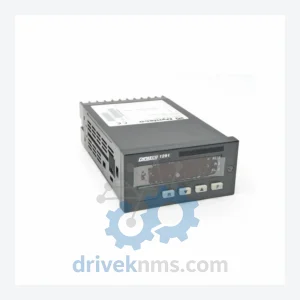
ABB 230K24 1KGT011800R5001 Communication Unit Module – Obsolete INSUM Spare Part
ABB 230K24 1KGT011800R5001 is listed for INSUM RFQ review. Confirm quantity, condition and destination before quotation.
RFQ-ready industrial model
Model: NPSI03
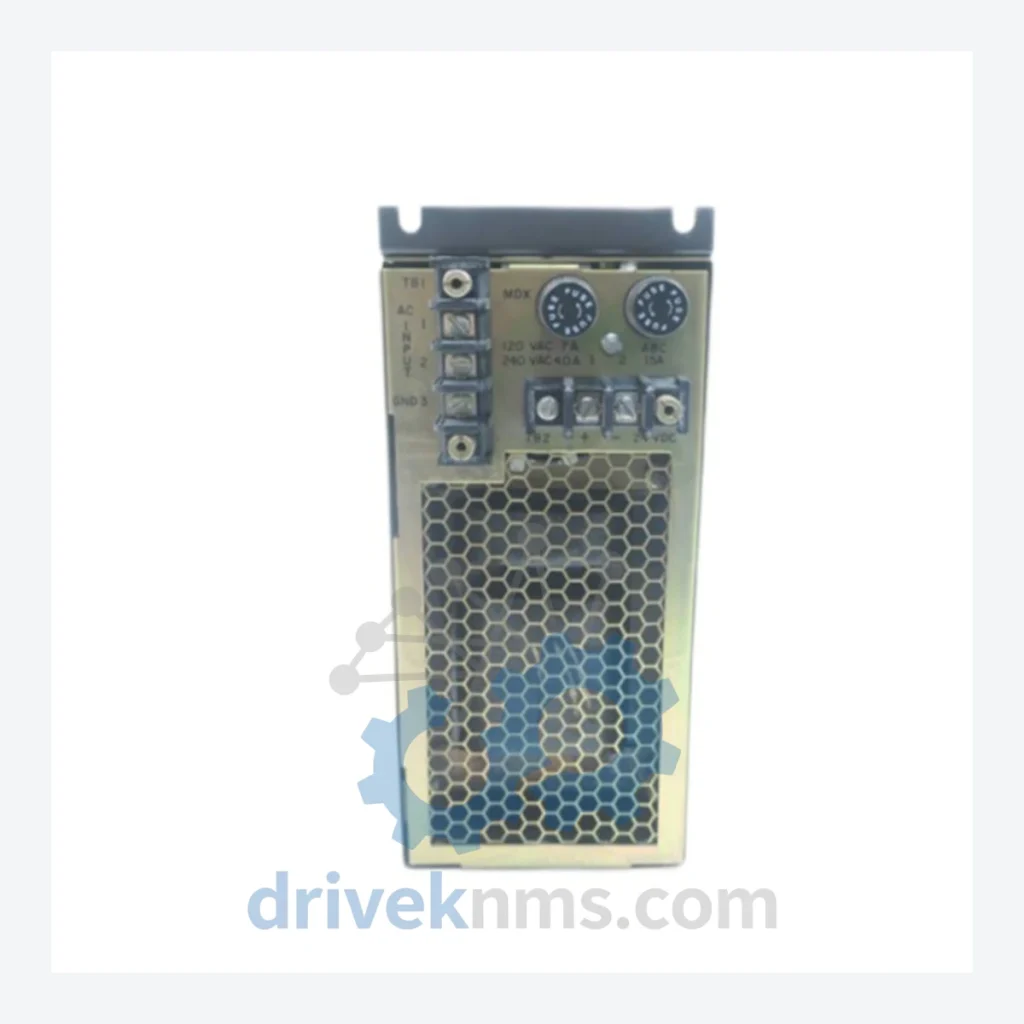
Product Overview
Commercial availability is handled through direct RFQ, model verification and export-oriented follow-up rather than public cart checkout.
Datasheet Preview
Use attached product manuals when available. If the manual is not public yet, request the full file directly through RFQ.
Commercial Path
Product pages on DRIVEKNMS are designed to verify model, brand and series first, then move the buyer into one clean quotation path.
Technical Dossier
DriveKNMS reviews sourcing options for this model during RFQ handling before quotation.
RFQ support for obsolete parts: Send the model number, required quantity and destination so DriveKNMS can confirm sourcing options before quotation.
| Parameter | Detail |
|---|---|
| Part Number | NPSI03 |
| Manufacturer | ABB |
| Series | INSUM / Distributed I/O |
| Module Type | I/O Power Supply Module |
| Discontinuation Status | Confirmed Obsolete – No longer manufactured or sold by ABB |
| Country of Origin | Germany |
| Compatibility | ABB INSUM system, legacy ABB distributed I/O racks |
| Condition Available | New surplus / Professionally refurbished |
Note: Electrical parameters (voltage input/output, current rating, power rating) are not published here to avoid inaccuracy. Confirmed specifications will be provided upon inquiry with unit serial number verification.
The NPSI03 was designed to operate within ABB's INSUM intelligent motor control and distributed I/O environment — a system architecture that was widely deployed in process industries including oil & gas, pulp & paper, water treatment, and heavy manufacturing throughout the 1990s and 2000s. These installations were engineered for 20–30 year operational lifespans, and many remain in active production service today.
ABB's discontinuation of the NPSI03 did not retire the systems it powers. Facilities that built their control infrastructure around INSUM now face a structural supply problem: the OEM no longer supports the hardware, third-party alternatives require engineering validation that may not be feasible within a production schedule, and the cost of a full platform migration is rarely justifiable on a single module failure.
The practical solution adopted by experienced maintenance engineers is strategic spare parts stockpiling. Identifying the three to five highest-risk obsolete modules in a legacy system and securing verified units before a failure event is the lowest-cost risk mitigation strategy available. The NPSI03, as a power distribution component, sits at the top of that risk list — its failure affects not just one I/O point, but the entire rack segment it supplies.
Facilities that have implemented a proactive obsolete parts inventory program consistently report extended system lifespans of 5 to 10 years beyond the OEM's end-of-support date, with maintenance costs that remain a fraction of migration project budgets.
Sourcing a discontinued power supply module from the secondary market carries inherent risk. DriveKNMS applies a structured 5-step assessment protocol to every NPSI03 unit before it leaves our facility:
Step 1 – Visual and Physical Inspection: Full external examination for mechanical damage, connector pin condition, and housing integrity. Units with bent pins, cracked housings, or evidence of thermal events are rejected at this stage.
Step 2 – Electrolytic Capacitor Assessment: Aged power supply modules are particularly vulnerable to electrolytic capacitor degradation. Each unit is inspected for capacitor bulging, leakage, and ESR (Equivalent Series Resistance) deviation — the primary failure mode in legacy power supply hardware.
Step 3 – Firmware and Label Verification: Where applicable, firmware revision markings and hardware revision labels are cross-referenced against known production batches to confirm authenticity and revision compatibility.
Step 4 – Pin and Contact Corrosion Check: All connector interfaces are examined under magnification for oxidation, corrosion, and contact deformation. Affected contacts are treated or the unit is downgraded accordingly.
Step 5 – Functional Verification: Units are powered and tested against baseline operational parameters before being classified as dispatch-ready.
Each unit ships with a condition report. Units that do not pass all five stages are not listed for sale.
Drop-in Replacement: The NPSI03 is a direct hardware replacement for the original installed unit. No rack modification, no wiring changes, no software reconfiguration is required in standard installations. The module seats into the existing backplane and resumes operation.
No Reprogramming Required: Unlike platform migration scenarios where every I/O point must be remapped and validated, a like-for-like NPSI03 replacement preserves the existing system configuration. Engineering intervention is limited to the physical swap and a standard post-installation check.
Avoids Engineering Reconstruction Costs: A migration project for a legacy ABB INSUM installation typically requires control system engineering, new hardware procurement, installation, commissioning, and production validation — a process measured in months and hundreds of thousands of dollars. A verified spare module eliminates that path entirely for the duration of the asset's remaining service life.
Supports Long-Term Spares Strategy: For facilities with multiple INSUM installations or sister plants running identical configurations, purchasing redundant NPSI03 units now — while RFQ-reviewed sourcing status exists — is a straightforward insurance decision.
Q: How do I confirm the unit is genuine ABB and not a counterfeit?
A: Every unit we supply includes documentation of its physical inspection findings, hardware revision markings, and provenance where traceable. We do not source from unverified brokers. Customers requiring additional authentication can request pre-shipment photos of the specific unit's label and board markings.
Continue The Model Path
Move from this exact model into the matching system hub, brand archive, model-family archive or lifecycle sourcing route before sending a final RFQ list.
Related Paths
ABB 230K24 1KGT011800R5001 is listed for INSUM RFQ review. Confirm quantity, condition and destination before quotation.
ABB P-HA-RPS-32200000 PHARPS32200000 is listed for Power Supplies RFQ review. Confirm quantity, condition and destination before quotation.
ABB SDCD-POW-4 3ADT315100R1001 is listed for Power Supplies RFQ review. Confirm quantity, condition and destination before quotation.