
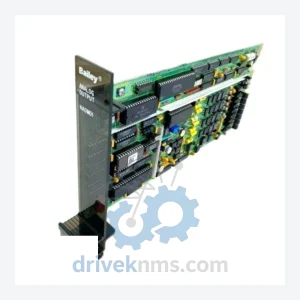
ABB S500 I/O Modules NAOM01
ABB NAOM01 is listed for PLC Modules RFQ review. Confirm quantity, condition and destination before quotation.
RFQ-ready industrial model
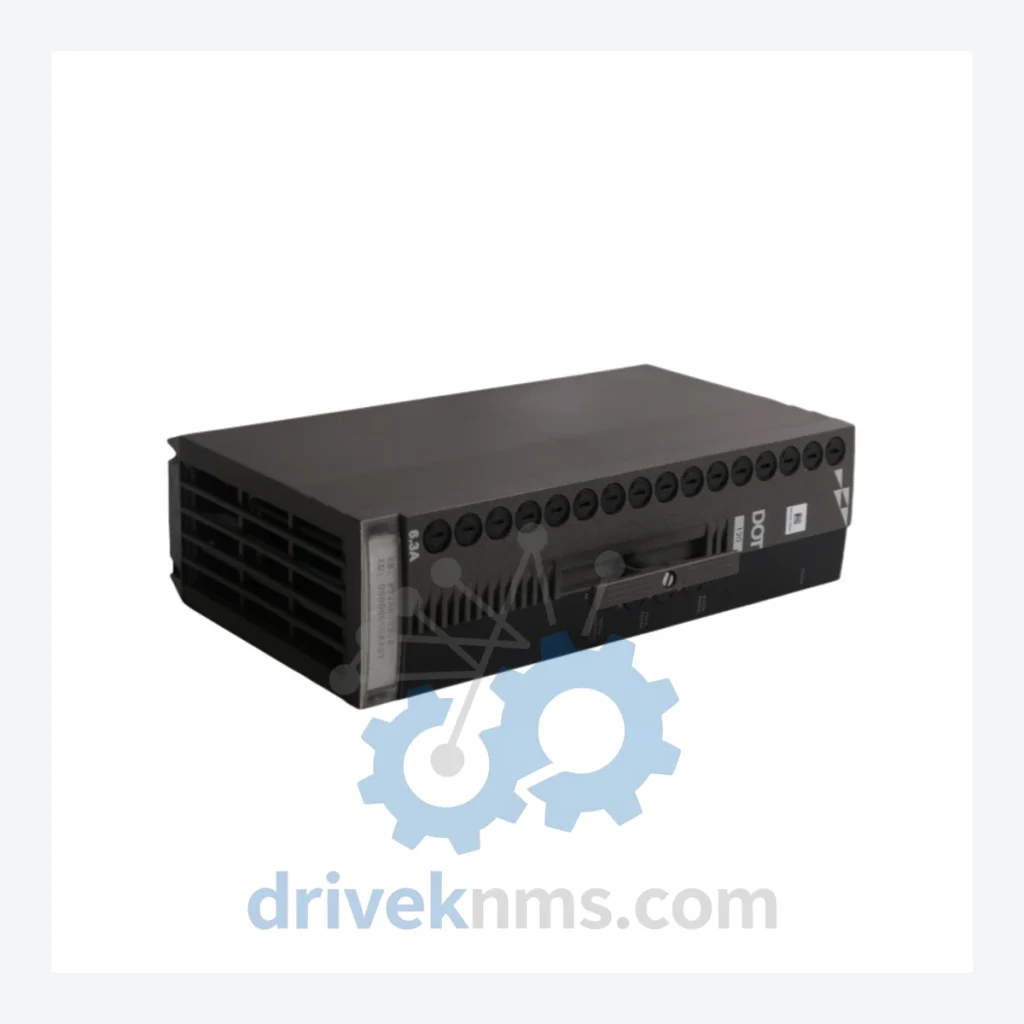
Model: P-HB-DOT-12010000 PHBDOT12010000
Product Overview
Commercial availability is handled through direct RFQ, model verification and export-oriented follow-up rather than public cart checkout.
Datasheet Preview
Use attached product manuals when available. If the manual is not public yet, request the full file directly through RFQ.
Commercial Path
Product pages on DRIVEKNMS are designed to verify model, brand and series first, then move the buyer into one clean quotation path.
Technical Dossier
The ABB PHB (Process HMI Bus) module series is a core hardware family within ABB's Symphony Plus and AC 700F/AC 800F Distributed Control System (DCS) platforms. These systems are deployed at scale in continuous-process industries including petrochemical refineries, nuclear power generation facilities, pulp and paper plants, and offshore oil and gas installations. The PHB series provides the physical I/O layer that interfaces field instrumentation — transmitters, solenoids, valve actuators, and discrete sensors — with the DCS controller backplane. The P-HB-DOT-12010000 (PHBDOT12010000) is a 12-channel digital output module designed for 24 VDC discrete control signals, used to drive relay coils, solenoid valves, and status indicators in safety-critical process loops.
The PHB module family was introduced as part of ABB's transition from the legacy INFI-90 and Advant OCS platforms toward the unified Symphony Plus architecture in the mid-2000s. Early-generation I/O modules in the Advant family (e.g., DSDO110, DSDI110) used proprietary Advant Fieldbus (AF100) communication and were not directly compatible with the Symphony Plus backplane. The PHB series was developed to operate natively on the Symphony Plus I/O bus, providing deterministic scan times and hot-swap capability without controller interruption.
The AC 700F and AC 800F controllers serve as the primary hosts for PHB I/O modules. The AC 800F supports redundant controller configurations and is the preferred platform for SIL-rated applications. PHB modules communicate over the S800 I/O bus protocol, which supports up to 12 I/O modules per cluster and provides module-level diagnostics accessible through ABB's Control Builder engineering tool. As Symphony Plus has matured into its current generation (Symphony Plus S+), the PHB hardware has remained backward-compatible, though ABB has introduced successor modules under the S800 I/O designation (e.g., DI810, DO810, AI810) for new installations. The PHB series is now in a mature/end-of-active-production lifecycle; ABB continues to provide spare parts support, but new engineering projects are directed toward S800 I/O equivalents.
The following SKUs represent the verified PHB and closely related S800 I/O module range used within Symphony Plus and AC 700F/800F systems. Modules are classified by function:
Digital Output Modules
Digital Input Modules
Analog Input Modules
Analog Output Modules
Communication & Power Modules
PHB modules use a proprietary backplane connector and communicate over the S800 I/O bus protocol. Standard bench testing procedures are insufficient to validate module functionality without a live S800 bus environment. DriveKNMS operates a dedicated Symphony Plus test bench incorporating an AC 800F controller running Control Builder M, which allows full functional verification of PHB I/O modules under simulated process conditions.
Each PHB module processed by DriveKNMS undergoes the following verification steps: visual inspection of backplane connector pins and PCB for corrosion or mechanical damage; power-on self-test (POST) verification via controller diagnostic log; channel-level I/O functional test (all 12 channels for DOT modules, verified against 24 VDC load); firmware revision verification against ABB's compatibility matrix for the target controller version; and 48-hour burn-in test under cyclic load conditions. Modules that fail any stage of this protocol are quarantined and not returned to inventory.
Continue The Model Path
Move from this exact model into the matching system hub, brand archive, model-family archive or lifecycle sourcing route before sending a final RFQ list.
Related Paths
ABB NAOM01 is listed for PLC Modules RFQ review. Confirm quantity, condition and destination before quotation.
ABB PAB02 P70870-4-0369059 369059A10 is listed for Proface Series RFQ review. Confirm quantity, condition and destination before quotation.
ABB PM253V01 is listed for PLC Modules RFQ review. Confirm quantity, condition and destination before quotation.