
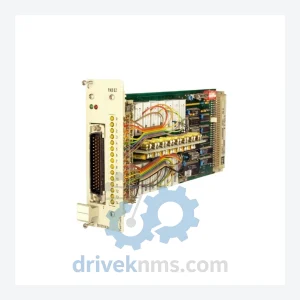
ABB PAB02 P70870-4-0369059 369059A10 Binary Output Module – Proface Series
ABB PAB02 P70870-4-0369059 369059A10 is listed for Proface Series RFQ review. Confirm quantity, condition and destination before quotation.
RFQ-ready industrial model
Model: PDD405A101
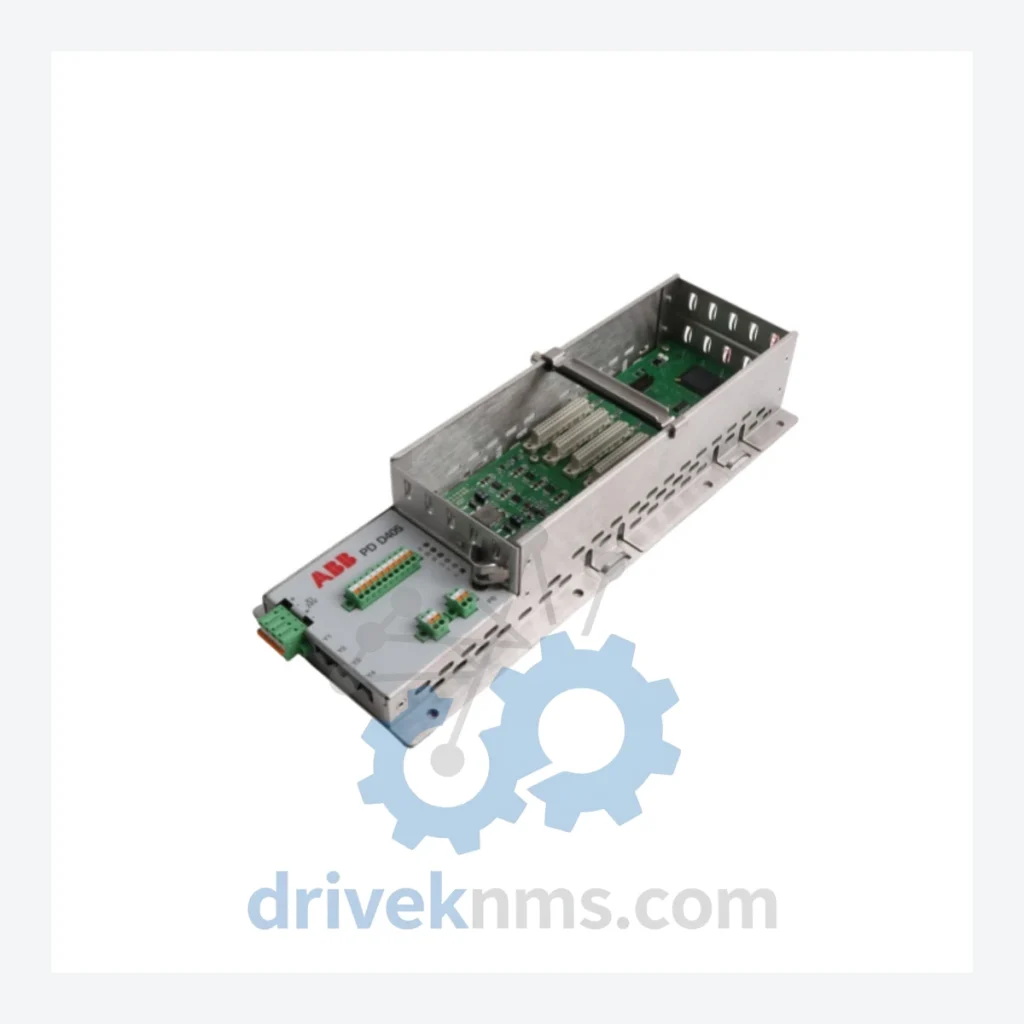
Product Overview
Commercial availability is handled through direct RFQ, model verification and export-oriented follow-up rather than public cart checkout.
Datasheet Preview
Use attached product manuals when available. If the manual is not public yet, request the full file directly through RFQ.
Commercial Path
Product pages on DRIVEKNMS are designed to verify model, brand and series first, then move the buyer into one clean quotation path.
Technical Dossier
DriveKNMS maintains RFQ-reviewed sourcing status of this module. For plant managers and maintenance engineers who need to protect existing automation assets without triggering a full system overhaul, this is a direct path to restoring production without the engineering disruption.
RFQ support for obsolete parts: Send the model number, required quantity and destination so DriveKNMS can confirm sourcing options before quotation.
| Parameter | Detail |
|---|---|
| Manufacturer | ABB |
| Part Number | 3BHE041626R0101 |
| Model / Ordering Code | PDD405A101 |
| Product Series | PDD405A |
| Product Type | PLC / DCS Control Module |
| Country of Origin | Germany |
| Discontinuation Status | Discontinued / Obsolete – No longer in ABB active production |
| Compatible Systems | ABB legacy DCS/PLC platforms utilizing PDD405A series modules (verify against your system BOM before ordering) |
| Condition Available | New surplus / Professionally refurbished |
Note: Electrical parameters not independently verified by DriveKNMS. Buyers should cross-reference against original ABB documentation or system BOM. No parameters have been assumed or fabricated.
ABB's PDD405A series modules were deployed across a generation of industrial automation projects spanning process manufacturing, power generation, and heavy industry. Many of those installations remain in service today — not because the technology is new, but because the cost and risk of replacing a functioning control architecture outweigh any theoretical benefit of modernization.
The 3BHE041626R0101 is not a commodity item. It is a purpose-built module integrated into a specific hardware and firmware ecosystem. When ABB discontinued this line, it did not provide a plug-compatible successor. That means any facility still running this hardware faces a binary choice upon module failure: source the original part, or commit to a system-wide migration.
Facilities that have extended the life of their ABB legacy systems by 5–10 years through strategic spare parts procurement consistently report the same outcome: capital expenditure deferred, production continuity maintained, and engineering resources preserved for planned upgrades rather than emergency responses.
Obsolete modules sourced from the secondary market carry inherent risk if not properly evaluated. DriveKNMS applies a structured 5-step inspection protocol before any unit is offered for sale:
Step 1 – Electrolytic Capacitor Assessment: Aged capacitors are the most common failure point in stored electronics. Each unit is inspected for capacitor bulging, leakage, and ESR degradation. Units with compromised capacitors are either reconditioned or rejected.
Step 2 – Firmware Version Verification: Where accessible, firmware revision is confirmed and documented. Mismatched firmware versions between modules in the same rack can cause communication faults or unpredictable behavior.
Step 3 – Pin and Connector Inspection: Backplane connectors and I/O pins are examined under magnification for oxidation, corrosion, and mechanical deformation. Corroded contacts are cleaned to OEM-equivalent standards or the unit is rejected.
Step 4 – Board-Level Visual Inspection: PCB surfaces are inspected for cold solder joints, cracked traces, burn marks, and component displacement.
Step 5 – Functional Verification (where test fixtures are available): Units are powered and tested against known-good reference behavior where test infrastructure permits.
Units that do not pass all applicable steps are not offered for sale. Condition grade (new surplus or refurbished) is disclosed at point of inquiry.
Avoiding engineering reconstruction also eliminates the validation burden. In regulated industries — pharmaceuticals, food processing, power generation — any modification to a control system triggers a revalidation cycle. A like-for-like module replacement typically falls outside that threshold. A system migration does not.
Should I buy more than one unit?
For any discontinued module in an active production system, the answer is almost always yes. The secondary market for obsolete ABB parts is finite. Once existing stocks are exhausted, no further supply exists. Facilities that have experienced a second failure of the same module — after sourcing only one replacement — face the full migration cost they originally avoided. Procuring two to three units as a managed spare inventory is a low-cost insurance policy against that outcome.
Continue The Model Path
Move from this exact model into the matching system hub, brand archive, model-family archive or lifecycle sourcing route before sending a final RFQ list.
Related Paths
ABB PAB02 P70870-4-0369059 369059A10 is listed for Proface Series RFQ review. Confirm quantity, condition and destination before quotation.
ABB NAOM01 is listed for PLC Modules RFQ review. Confirm quantity, condition and destination before quotation.
ABB PM253V01 is listed for PLC Modules RFQ review. Confirm quantity, condition and destination before quotation.