
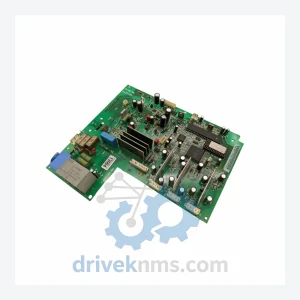
ABB SNAT-7120 Circuit Board – SNAZ7120J Series
ABB SNAT-7120 SNAZ 7120 J SNAZ7120J is listed for SNAZ7120J Series RFQ review. Confirm quantity, condition and destination before quotation.
RFQ-ready industrial model
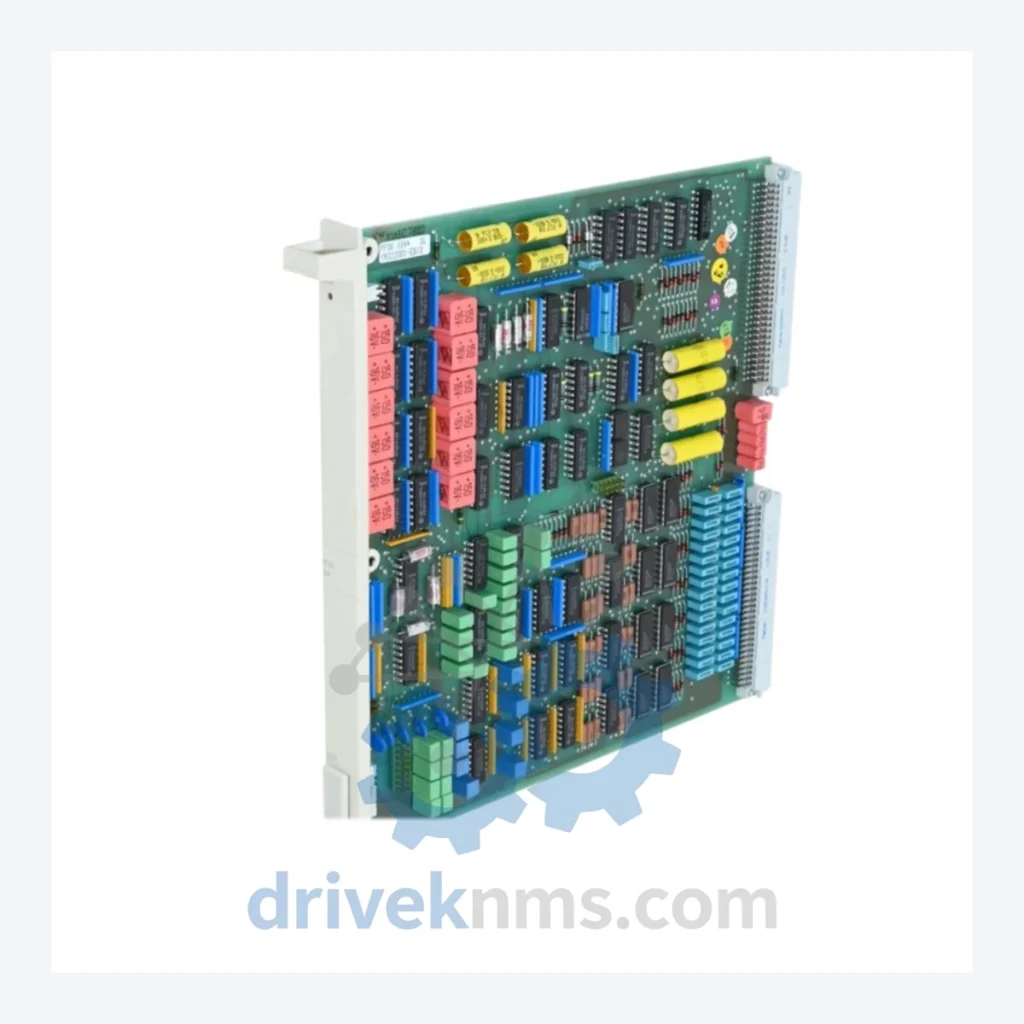
Model: PFSK104 YM-322001-EB
Product Overview
Commercial availability is handled through direct RFQ, model verification and export-oriented follow-up rather than public cart checkout.
Datasheet Preview
Use attached product manuals when available. If the manual is not public yet, request the full file directly through RFQ.
Commercial Path
Product pages on DRIVEKNMS are designed to verify model, brand and series first, then move the buyer into one clean quotation path.
Technical Dossier
RFQ support for obsolete parts: Send the model number, required quantity and destination so DriveKNMS can confirm sourcing options before quotation.
Note: Electrical parameters not independently verified by DriveKNMS. Specifications above are based on publicly available ABB documentation. Buyers are advised to cross-reference against original system documentation before installation.
ABB's Advant and MasterPiece control platforms were deployed extensively across power generation, pulp and paper, chemical processing, and heavy manufacturing facilities from the 1980s through the early 2000s. Many of these installations remain operational today — not because replacement is impossible, but because the cost and risk of migration are prohibitive.
The PFSK104 board serves as a critical communication and control interface within these architectures. There is no direct modern equivalent that can be substituted without system-level engineering work. When this board fails, the plant faces a binary choice: locate a verified replacement unit, or commit to a full control system migration.
Facilities that have extended Advant system life successfully share a common approach: they identify the five to eight modules with no modern substitute, secure RFQ-reviewed sourcing status of each, and establish a documented maintenance protocol. The PFSK104 is consistently on that list. Procurement teams that wait until failure to source this module face a compressed timeline, elevated prices, and higher risk of receiving counterfeit or degraded units from unvetted suppliers.
Stage 1 – Visual and Mechanical Inspection: Full board examination for physical damage, burn marks, cracked solder joints, and connector pin integrity. Boards with any structural compromise are rejected at this stage.
Stage 2 – Electrolytic Capacitor Assessment: Aged electrolytic capacitors are the primary failure mode in boards of this era. Each capacitor is tested for capacitance drift and ESR (equivalent series resistance). Units showing degradation beyond tolerance are either recapped with matched-specification components or removed from inventory.
Stage 3 – Firmware Version Verification: Where applicable, firmware revision is confirmed against known compatible versions for the target system. Boards with unknown or mismatched firmware are flagged and documented before dispatch.
Stage 4 – Pin and Connector Corrosion Check: All edge connectors and backplane pins are inspected under magnification. Oxidation is treated with appropriate contact cleaner; pins showing pitting or structural corrosion are documented and disclosed to the buyer.
The PFSK104 YM-322001-EB is a direct hardware replacement for the original installed unit. No PLC reprogramming is required. No field wiring modifications are necessary. The module slots into the existing backplane and restores system function without engineering intervention — provided the replacement unit carries the correct firmware revision and hardware variant.
This drop-in replacement capability is the core reason maintenance teams prioritize sourcing original-part-number spares over pursuing modern substitutes. Engineering a workaround for a discontinued module in an active production environment carries its own project risk, cost, and timeline. A verified original spare eliminates that risk entirely.
For facilities managing multiple legacy ABB systems, DriveKNMS can assist with broader spare parts audits to identify other high-risk single points of failure within the same control architecture.
How do I know the unit is genuine and not counterfeit?
All units sourced by DriveKNMS are traceable to documented supply chain origins. We do not purchase from anonymous brokers. Physical authenticity markers — including PCB revision codes, manufacturer date stamps, and component markings — are verified against known-good reference units where available. Documentation is provided upon request.
Should I buy more than one unit?
For any module that is officially discontinued with no modern substitute, holding a minimum of two units is standard practice in industrial asset management. The cost of a second spare is a fraction of the cost of an unplanned line stoppage while sourcing under pressure. For critical single points of failure, three units is a defensible position for facilities with a ten-year operational horizon.
Continue The Model Path
Move from this exact model into the matching system hub, brand archive, model-family archive or lifecycle sourcing route before sending a final RFQ list.
Related Paths
ABB SNAT-7120 SNAZ 7120 J SNAZ7120J is listed for SNAZ7120J Series RFQ review. Confirm quantity, condition and destination before quotation.
ABB PM564-TP-ETH 1SAP121100R0071 is listed for Servo Drives RFQ review. Confirm quantity, condition and destination before quotation.
ABB SCDCS-CON-4 is listed for CON-4 Control Board RFQ review. Confirm quantity, condition and destination before quotation.