
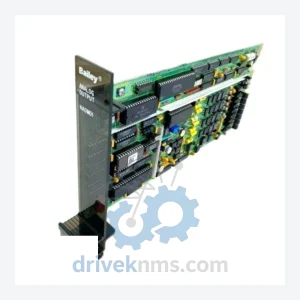
ABB S500 I/O Modules NAOM01
ABB NAOM01 is listed for PLC Modules RFQ review. Confirm quantity, condition and destination before quotation.
RFQ-ready industrial model
Model: PM857K01
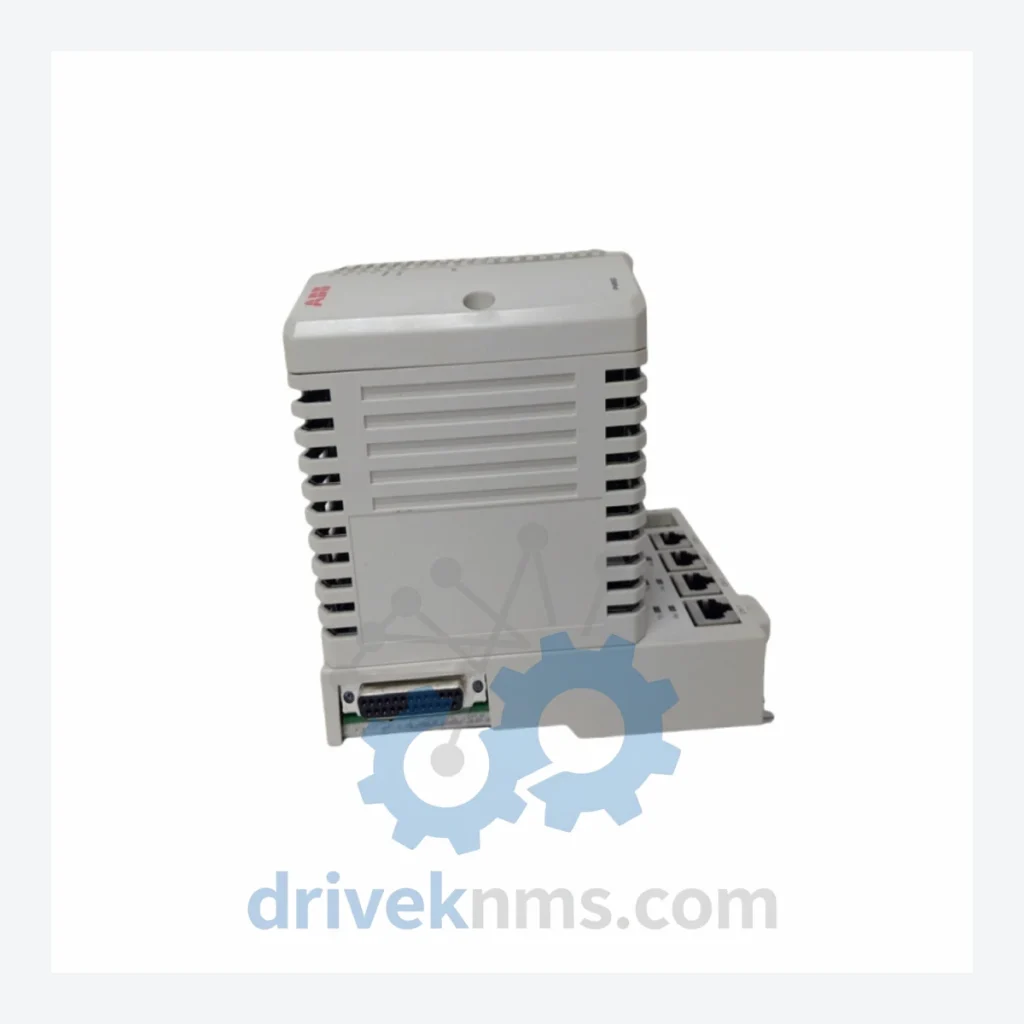
Product Overview
Commercial availability is handled through direct RFQ, model verification and export-oriented follow-up rather than public cart checkout.
Datasheet Preview
Use attached product manuals when available. If the manual is not public yet, request the full file directly through RFQ.
Commercial Path
Product pages on DRIVEKNMS are designed to verify model, brand and series first, then move the buyer into one clean quotation path.
Technical Dossier
The ABB AC500-S is ABB's dedicated functional safety PLC platform, engineered for deployment in safety-instrumented systems (SIS) across the global process and discrete manufacturing industries. Installed in chemical plants, nuclear facilities, offshore platforms, refineries, and steel mills, the AC500-S platform holds TÜV Rheinland certification for SIL 3 (IEC 62061) and PLe / Category 4 (ISO 13849-1). Its modular architecture allows engineers to construct safety loops ranging from simple machine guarding to complex emergency shutdown systems (ESD) and burner management systems (BMS).
The platform operates in conjunction with the standard ABB AC500 CPU infrastructure, using a dedicated safety CPU (PM8xx-S series) that communicates with standard I/O and safety I/O modules over the S-Bus backplane. This hybrid architecture reduces total system cost while maintaining certified safety integrity. As of 2026, the AC500-S platform is in its mature phase, with ABB continuing to support existing installations while directing new projects toward the AC500-S V3 generation.
The AC500-S platform was introduced in the mid-2000s as ABB's response to the growing demand for IEC 61508-certified safety controllers in process automation. The original architecture centered on the PM851K01 and PM856K01 safety CPUs, which provided SIL 2 and SIL 3 capability respectively on the first-generation AC500 backplane (TB5xx series).
The second generation introduced the PM857K01 and PM857K02 processors, featuring expanded memory, faster cycle times, and improved diagnostics. These units retained backward compatibility with first-generation I/O modules, protecting existing capital investment. The communication architecture evolved from proprietary S-Bus to support PROFIBUS DP, PROFINET, and EtherNet/IP safety profiles, enabling integration with modern DCS environments including ABB System 800xA.
Safety CPUs / Processors
Safety Digital Input Modules (DI)
Safety Digital Output Modules (DO)
Safety Analog Input Modules (AI)
Communication & Power Modules
The AC500-S V1 and V2 hardware lines (PM851K01, PM856K01, PM856K02, DI581-S, DO581-S, AI581-S) are in the mature-to-end-of-life phase of their product lifecycle. ABB has issued end-of-sale notices for several first-generation modules, with extended support available only through authorized service agreements. For plant operators running these systems, the practical options are:
The AC500-S platform presents specific quality control challenges due to its safety-rated backplane communication and dual-channel internal architecture. Standard visual inspection and power-on testing are insufficient for safety PLC modules. DriveKNMS applies the following protocol to all AC500-S units:
Continue The Model Path
Move from this exact model into the matching system hub, brand archive, model-family archive or lifecycle sourcing route before sending a final RFQ list.
Related Paths
ABB NAOM01 is listed for PLC Modules RFQ review. Confirm quantity, condition and destination before quotation.
ABB PAB02 P70870-4-0369059 369059A10 is listed for Proface Series RFQ review. Confirm quantity, condition and destination before quotation.
ABB PM253V01 is listed for PLC Modules RFQ review. Confirm quantity, condition and destination before quotation.