
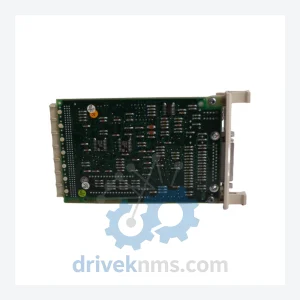
ABB CI570 3BSE001440R1: AC800M Communication Interface Module
ABB CI570 3BSE001440R1 is listed for AC800M RFQ review. Confirm quantity, condition and destination before quotation.
RFQ-ready industrial model
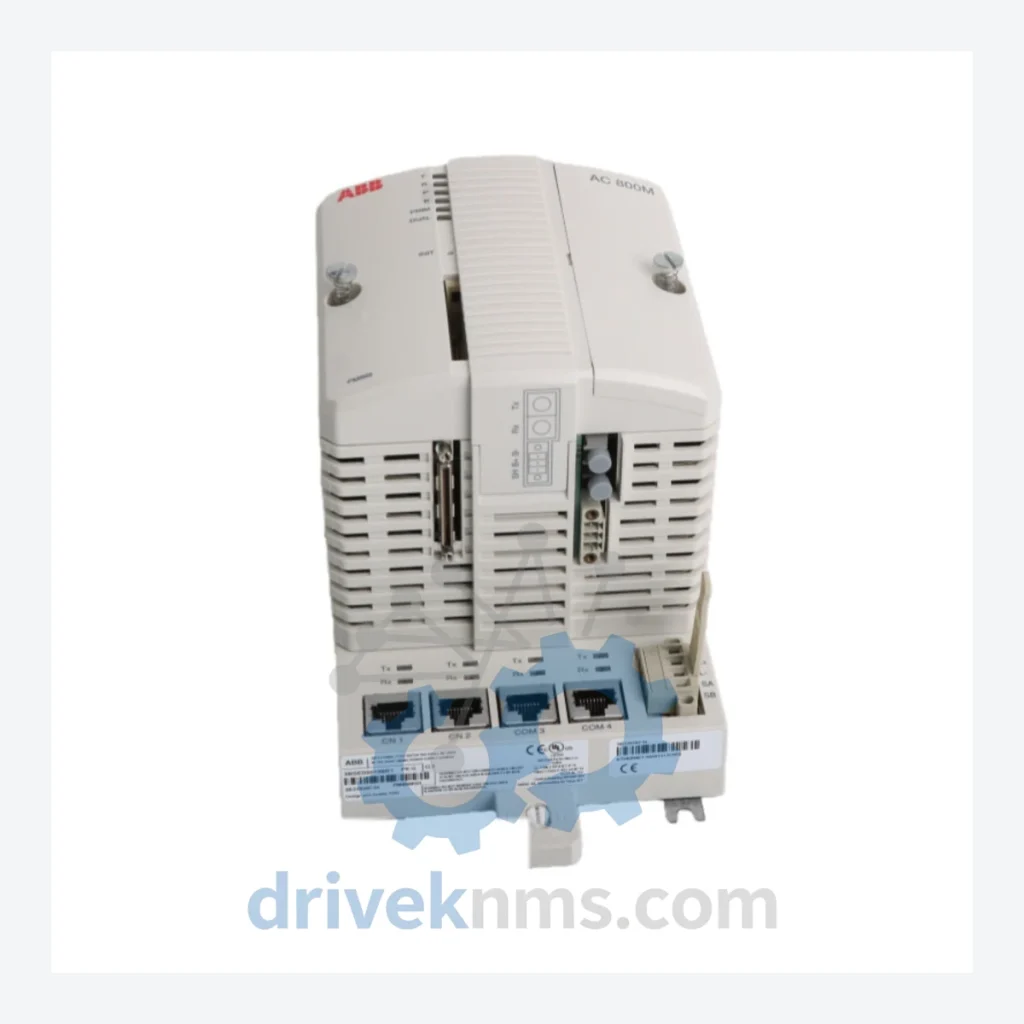
Model: AC800M PM866K01 3BSE050198R1
Product Overview
Commercial availability is handled through direct RFQ, model verification and export-oriented follow-up rather than public cart checkout.
Datasheet Preview
Use attached product manuals when available. If the manual is not public yet, request the full file directly through RFQ.
Commercial Path
Product pages on DRIVEKNMS are designed to verify model, brand and series first, then move the buyer into one clean quotation path.
Technical Dossier
DriveKNMS maintains RFQ-reviewed sourcing status of the PM866K01. This is not a lead-time quotation. This is available inventory, inspected and ready for dispatch.
RFQ support for obsolete parts: Send the model number, required quantity and destination so DriveKNMS can confirm sourcing options before quotation.
| Parameter | Detail |
|---|---|
| Manufacturer | ABB |
| Part Number | PM866K01 |
| Catalog / Order Number | 3BSE050198R1 |
| Product Series | AC800M |
| Module Type | CPU / Processor Unit |
| Discontinuation Status | Discontinued by ABB – no longer in standard production |
| Country of Origin | Sweden |
| Compatible Platform | ABB AC800M DCS / Process Automation Controller |
| Communication | CEX-Bus (internal backplane), Ethernet (MMS/PROFIBUS via CI modules) |
| Programming Environment | ABB Control Builder M (IEC 61131-3) |
| Redundancy Support | Yes – supports hot-standby CPU redundancy configuration |
Note: Electrical parameters not independently verified by DriveKNMS are intentionally omitted. Specifications above are drawn from publicly available ABB documentation. Always cross-reference with your system's engineering drawings before installation.
The ABB AC800M platform entered widespread deployment in the early 2000s and remains operational in thousands of facilities globally. ABB's transition toward the System 800xA architecture and newer controller generations has progressively reduced support and parts availability for legacy AC800M hardware — including the PM866K01.
The cost of one PM866K01 spare is a fraction of one day of unplanned production loss in most process facilities. The arithmetic is not complicated.
DriveKNMS applies a structured 5-step inspection protocol to all obsolete processor modules before they are offered for sale. This process is designed specifically for the failure modes common to hardware that has been in storage or field service for extended periods.
Step 1 – Visual and Physical Inspection: Full examination of PCB surfaces, connector pins, and housing for mechanical damage, corrosion, or evidence of prior repair attempts.
Step 2 – Electrolytic Capacitor Assessment: Aging electrolytic capacitors are the primary failure vector in legacy processor hardware. Each unit is inspected for capacitor bulging, leakage, and ESR degradation. Units with compromised capacitors are not offered for sale.
Step 3 – Firmware Version Verification: Where accessible, firmware revision is documented and disclosed. Compatibility with the customer's existing AC800M configuration is the customer's responsibility to confirm, but we provide all available version data to support that assessment.
Step 4 – Pin and Connector Integrity Check: Backplane connector pins are inspected under magnification for oxidation, bending, and contact surface wear. Corroded or deformed pins are a known cause of intermittent faults in legacy modules.
Step 5 – Functional Power-On Test (where applicable): Units are powered and basic operational status is confirmed where test infrastructure permits. Results are documented per unit.
Units that do not pass all applicable steps are not listed. Condition grade (New / Refurbished-Grade-A / Tested-Used) is disclosed at point of inquiry.
The PM866K01 is a direct hardware replacement for existing AC800M controller racks. It does not require reprogramming of application logic, reconfiguration of I/O assignments, or modification of network addressing — provided the replacement unit carries a compatible firmware revision and the installation follows ABB's documented hot-swap or cold-swap procedure.
This drop-in replacement capability is the core economic argument for sourcing a spare rather than initiating a platform migration. A migration project for an AC800M-based system typically involves: control system engineering and re-specification, new hardware procurement, factory acceptance testing, site installation and commissioning, operator retraining, and a mandatory parallel-run validation period. The total cost of that process, including production risk during cutover, routinely exceeds USD 500,000 for a mid-sized process unit — and often multiples of that for complex or safety-instrumented systems.
A verified PM866K01 spare eliminates that entire cost exposure for the duration of the spare's service life.
Q: How is condition confirmed before quotation?
A: Available condition, photos, test records and documentation are checked according to the requested model and sourcing channel before a formal RFQ response.
Q: How are RFQ terms confirmed?
A: Quantity, required condition, documentation needs, destination and sourcing route are confirmed during RFQ review before quotation.
Should I buy more than one unit as a long-term reserve?
For any facility running AC800M as a primary control platform with no near-term migration plan, holding a minimum of two PM866K01 units is a defensible engineering decision. One unit covers an immediate failure; the second covers the period required to source a replacement after the first is consumed. Given declining market availability, the cost of delay in securing reserves increases over time.
Can you source other AC800M modules?
Yes. DriveKNMS specializes in the full ABB AC800M ecosystem, including CI modules, power supplies, I/O modules, and communication interfaces. Contact us with your full BOM for a consolidated availability check.
Continue The Model Path
Move from this exact model into the matching system hub, brand archive, model-family archive or lifecycle sourcing route before sending a final RFQ list.
Related Paths
ABB CI570 3BSE001440R1 is listed for AC800M RFQ review. Confirm quantity, condition and destination before quotation.
ABB 3BSE011789R1 PXAK402 is listed for AC800M RFQ review. Confirm quantity, condition and destination before quotation.
ABB DO880-2 3BSE028603R1 is listed for AC800M RFQ review. Confirm quantity, condition and destination before quotation.