
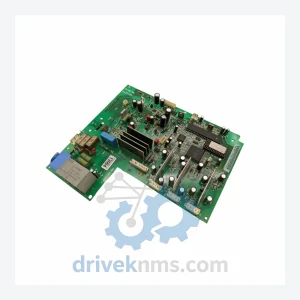
ABB SNAT-7120 Circuit Board – SNAZ7120J Series
ABB SNAT-7120 SNAZ 7120 J SNAZ7120J is listed for SNAZ7120J Series RFQ review. Confirm quantity, condition and destination before quotation.
RFQ-ready industrial model
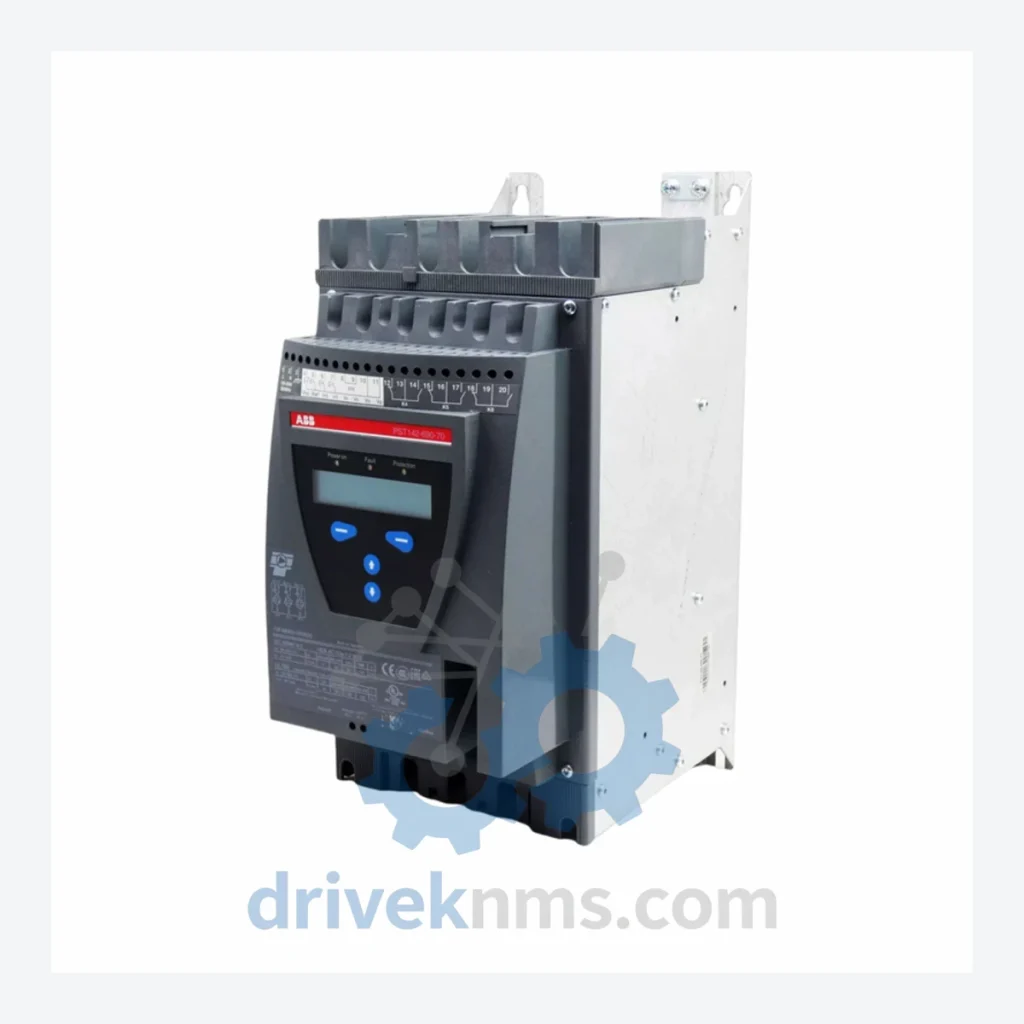
Model: PST142-690-70
Product Overview
Commercial availability is handled through direct RFQ, model verification and export-oriented follow-up rather than public cart checkout.
Datasheet Preview
Use attached product manuals when available. If the manual is not public yet, request the full file directly through RFQ.
Commercial Path
Product pages on DRIVEKNMS are designed to verify model, brand and series first, then move the buyer into one clean quotation path.
Technical Dossier
The ABB PST Series represents one of ABB's most widely deployed soft starter platforms across global heavy industry. Installed in chemical processing plants, oil refineries, nuclear auxiliary systems, pulp and paper mills, and offshore platforms, the PST range provides controlled motor acceleration and deceleration for three-phase induction motors rated from 3 A to 1250 A. The series operates across a supply voltage range of 208–690 V AC (50/60 Hz), making it compatible with both North American and European industrial infrastructure. Its integrated bypass contactor, built-in motor protection functions (phase loss, overload, thermistor input), and DIN rail or panel-mount form factor have made it a standard specification in MCC (Motor Control Center) builds worldwide. The PST Series is produced at ABB's Västerås facility in Sweden and carries CE, UL, and cUL certifications, meeting IEC 60947-4-2 and NEMA standards.
ABB introduced the PST platform in the early 1990s as a successor to discrete thyristor-based motor starters. The first-generation PST units (PST3 through PST85) established the core architecture: six anti-parallel SCR (silicon-controlled rectifier) pairs in a three-phase bridge configuration, controlled by a microprocessor-based firing angle ramp. These units used analog potentiometer-based parameter setting and offered limited protection functions.
Q: How are RFQ terms confirmed?
A: Quantity, required condition, documentation needs, destination and sourcing route are confirmed during RFQ review before quotation.
The high-current PST range (PST470 through PST1250) addressed large pump, compressor, and fan applications. These units feature forced-air cooling, copper bus bar connections, and modular SCR assemblies designed for field replacement without full unit removal. Communication options (Profibus DP, DeviceNet, Modbus RTU) were introduced as optional plug-in modules in this generation.
The PST Series has entered its mature/end-of-life phase. ABB's current soft starter platform is the PSTX Series, which supersedes PST with an expanded protection suite, built-in fieldbus (EtherNet/IP, Profibus, Modbus), and a graphical HMI. Facilities operating PST units should plan for lifecycle extension support rather than direct replacement, as PSTX is not a drop-in mechanical or electrical substitute in all enclosure configurations.
The following SKUs represent the verified ABB PST Series product range, organized by current rating and function. Each unit is a three-phase soft starter with integrated bypass unless otherwise noted.
The ABB PST Series is no longer in active production. ABB has transitioned its soft starter portfolio to the PSTX platform. As a result, PST units — particularly mid-range models such as the PST105-690-70, PST142-690-70, PST175-690-70, and PST210-690-70 — are increasingly sourced through the secondary market and specialist distributors rather than through ABB's standard distribution channel.
Q: How is condition confirmed before quotation?
A: Available condition, photos, test records and documentation are checked according to the requested model and sourcing channel before a formal RFQ response.
The PST Series presents specific test challenges due to its integrated bypass contactor architecture and SCR-based power stage. DriveKNMS applies the following test protocol to all PST units processed through its facility:
Control board functional test: The control PCB is powered independently at 24 V DC (control supply) and verified for correct parameter retention, display function (where applicable), and communication port response (RS-485 / Profibus DP).
SCR firing test: Each SCR pair is tested for correct gate trigger response, forward voltage drop (VT), and reverse blocking voltage. Out-of-tolerance SCRs are replaced with matched-pair devices from RFQ-reviewed sourcing status.
Bypass contactor test: Contactor coil resistance, contact resistance (milliohm measurement), and mechanical operation are verified. Contacts showing pitting or elevated resistance are replaced.
Continue The Model Path
Move from this exact model into the matching system hub, brand archive, model-family archive or lifecycle sourcing route before sending a final RFQ list.
Related Paths
ABB SNAT-7120 SNAZ 7120 J SNAZ7120J is listed for SNAZ7120J Series RFQ review. Confirm quantity, condition and destination before quotation.
ABB PM564-TP-ETH 1SAP121100R0071 is listed for Servo Drives RFQ review. Confirm quantity, condition and destination before quotation.
ABB SCDCS-CON-4 is listed for CON-4 Control Board RFQ review. Confirm quantity, condition and destination before quotation.