
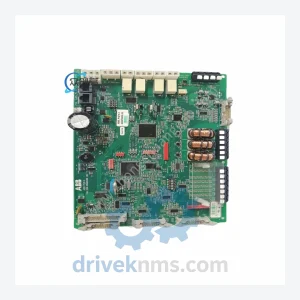
ABB ZPOW Series Power Modules ZPOW-7B1C
ABB ZPOW-7B1C is listed for ZPOW Series Power RFQ review. Confirm quantity, condition and destination before quotation.
RFQ-ready industrial model
Model: QPWR-561
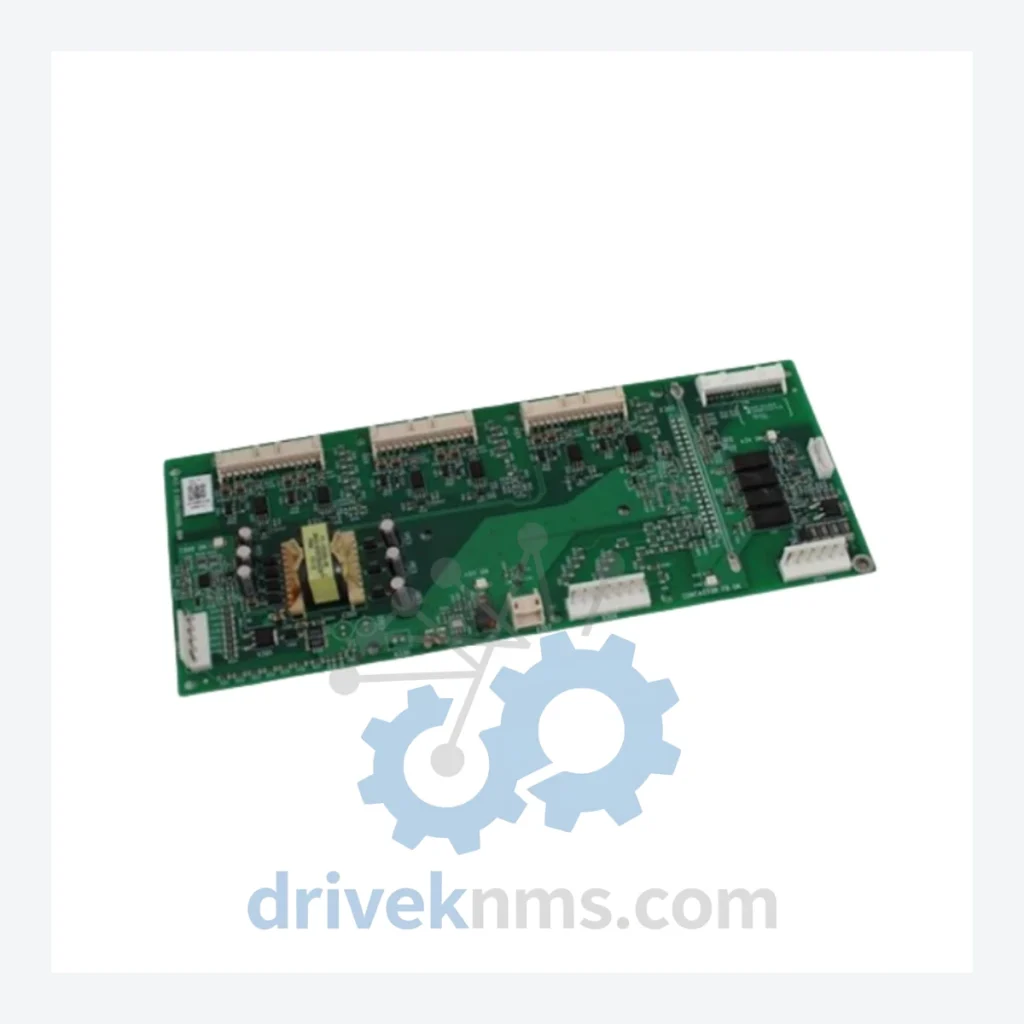
Product Overview
Commercial availability is handled through direct RFQ, model verification and export-oriented follow-up rather than public cart checkout.
Datasheet Preview
Use attached product manuals when available. If the manual is not public yet, request the full file directly through RFQ.
Commercial Path
Product pages on DRIVEKNMS are designed to verify model, brand and series first, then move the buyer into one clean quotation path.
Technical Dossier
When an inverter board fails inside a legacy ABB drive system, the consequences extend far beyond a single component. A single unplanned line stoppage caused by an unavailable control board can trigger cascading costs: emergency engineering assessments, forced system-wide upgrades, new PLC programming, and in many cases, a full drive replacement program running into hundreds of thousands of dollars. The ABB QPWR-561 is a discontinued inverter power board that remains a load-bearing component in a significant installed base of ABB ACS and DCS series variable frequency drives still operating in production environments worldwide. DriveKNMS maintains RFQ-reviewed sourcing status of this board specifically to protect facilities from that scenario.
RFQ support for obsolete parts: Send the model number, required quantity and destination so DriveKNMS can confirm sourcing options before quotation.
ABB ACS and DCS series drives were engineered for decade-long service lives in demanding industrial environments — steel mills, water treatment facilities, paper lines, and chemical processing plants. The QPWR-561 inverter board sits at the core of the drive's power conversion stage. It is not a peripheral component that can be substituted with a generic alternative. Its gate drive signals, protection logic, and thermal management characteristics are matched to the specific IGBT modules and control firmware of the host drive.
ABB drives housing the QPWR-561 are commonly found integrated into older distributed control architectures, including installations originally commissioned alongside ABB MasterPiece 200/1 and Advant OCS systems. In these environments, the drive is not a standalone asset — it is a node in a validated, certified process loop. Replacing the drive with a newer generation unit requires re-validation of the entire loop, a process that regulatory-sensitive industries cannot undertake lightly.
Plant managers facing system retirement pressure from corporate asset teams frequently underestimate the true cost of early decommissioning versus a structured spare parts strategy. The following approach has been used by maintenance engineering teams to defer capital expenditure on legacy drive systems by five to ten years without compromising process reliability:
1. Failure Mode Mapping: Identify the two or three board-level components in your drive that have no cross-compatible modern substitute. The QPWR-561 is one such component. These are your critical single points of failure. Holding one verified spare per drive position eliminates the most dangerous failure scenario.
3. Firmware Version Control: Document the exact firmware revision running on each drive. When sourcing replacement boards, ensure the replacement board is compatible with that firmware version. A board from a different production batch may require firmware re-flashing, which requires access to ABB's legacy programming tools.
5. Strategic Stockpiling: For facilities operating more than three drives of the same model, holding two QPWR-561 boards in climate-controlled storage is a defensible capital allocation. The cost of two boards is a fraction of one day of unplanned production loss on a major process line.
Every QPWR-561 board processed by DriveKNMS passes a structured five-stage inspection protocol before it is offered for sale:
Stage 1 – Visual Inspection: Full board examination under magnification for PCB delamination, solder joint cracking, and component physical damage.
Stage 2 – Electrolytic Capacitor Assessment: Electrolytic capacitors are the primary aging component on power electronics boards. Each capacitor is tested for capacitance value, ESR (equivalent series resistance), and leakage current. Capacitors showing degradation are replaced with specification-matched components.
Stage 3 – Firmware Version Verification: Where firmware is embedded on the board, the version is read and documented. This information is provided to the buyer to confirm compatibility with their drive's control board.
Stage 4 – Pin and Connector Inspection: All edge connectors and pin headers are inspected for oxidation, corrosion, and mechanical deformation. Affected contacts are cleaned using appropriate solvents; severely corroded connectors are replaced.
Stage 5 – Functional Bench Test: Where test fixtures are available for the specific board type, a powered functional test is conducted to verify gate drive outputs and protection circuit response prior to shipment.
Drop-in Replacement: The QPWR-561 installs directly into the original drive chassis using the original mounting hardware and connectors. No mechanical modification is required.
No Reprogramming Required: Drive parameter sets stored in the control board are unaffected by an inverter board replacement. The drive returns to its pre-failure operating configuration without re-commissioning.
Avoids Engineering Reconstruction Costs: Substituting a verified original board eliminates the need for drive replacement engineering, new cable sizing, updated protection relay coordination, and process loop re-validation — costs that accumulate rapidly in regulated process industries.
Preserves System Certification: In industries where the drive system is part of a certified safety or process control loop, using an original-specification replacement board maintains the integrity of the existing certification. A drive model change would require re-certification.
Q: Should I buy more than one unit as a long-term spare?
A: For facilities operating multiple drives of the same model, holding at least one additional board in controlled storage is a standard risk mitigation practice. Given the declining availability of this part, procurement teams are advised to assess their exposure now rather than at the point of failure.
Continue The Model Path
Move from this exact model into the matching system hub, brand archive, model-family archive or lifecycle sourcing route before sending a final RFQ list.
Related Paths
ABB ZPOW-7B1C is listed for ZPOW Series Power RFQ review. Confirm quantity, condition and destination before quotation.
ABB P3LB HENF209568R0001 is listed for Monitoring Systems RFQ review. Confirm quantity, condition and destination before quotation.
ABB PM154-3BSE003645R1 is listed for Monitoring Systems RFQ review. Confirm quantity, condition and destination before quotation.