
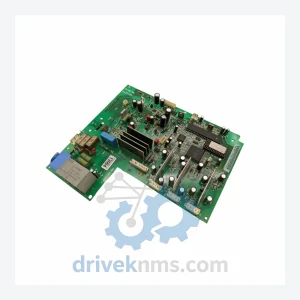
ABB SNAT-7120 Circuit Board – SNAZ7120J Series
ABB SNAT-7120 SNAZ 7120 J SNAZ7120J is listed for SNAZ7120J Series RFQ review. Confirm quantity, condition and destination before quotation.
RFQ-ready industrial model
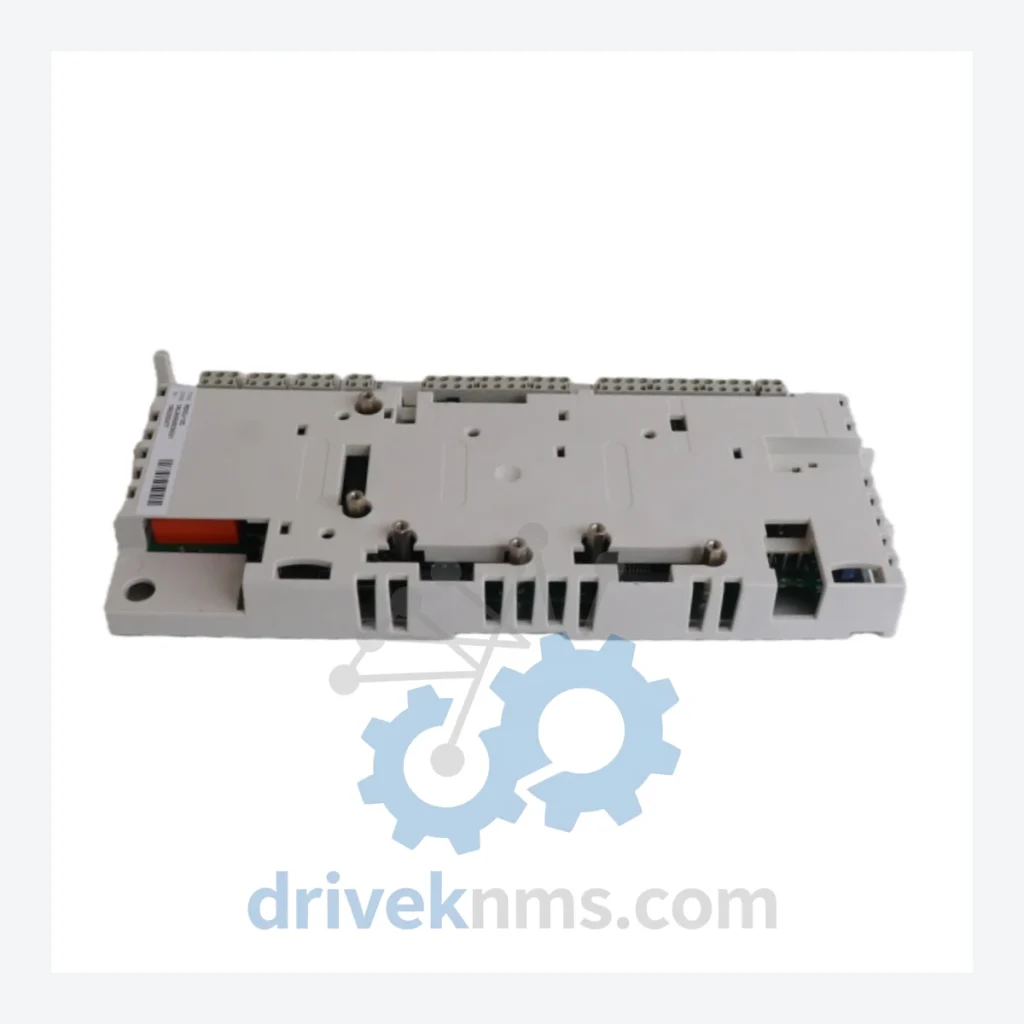
Model: RDCU-12 3AUA0000036521
Product Overview
Commercial availability is handled through direct RFQ, model verification and export-oriented follow-up rather than public cart checkout.
Datasheet Preview
Use attached product manuals when available. If the manual is not public yet, request the full file directly through RFQ.
Commercial Path
Product pages on DRIVEKNMS are designed to verify model, brand and series first, then move the buyer into one clean quotation path.
Technical Dossier
The RDCU-12 belongs to ABB's second-generation drive control board lineage, succeeding the RDCU-02 and RDCU-04 variants used in earlier ACS600 and ACS800 series drives. The RDCU-02 introduced the modular slot architecture; the RDCU-04 expanded memory capacity and added support for additional option slots. The RDCU-12 (3AUA0000036521) represents the mature revision of this architecture, incorporating a faster DSP core, expanded FLASH memory for firmware storage, and a revised DDCS fiber-optic communication interface for multi-drive configurations.
Compatibility note: The RDCU-12 is not directly interchangeable with RDCU-02 or RDCU-04 without firmware alignment. In ACS880 platforms, the RDCU-12 coexists with the newer ZCU-12 and ZCU-14 control units, which use a different hardware bus. Engineers maintaining mixed-generation drive cabinets must verify the control board revision against the drive firmware version to avoid parameter incompatibility. The RDCU-12 is currently in the mature/end-of-active-production phase; ABB continues to supply it as a spare part, but new drive designs use the ZCU series.
The following SKUs represent the verified RDCU-12 series and directly associated control, I/O, communication, and power modules used within the same ACS800/ACS880 drive ecosystem. Each entry reflects a distinct hardware function.
RDCU-12 (3AUA0000036521): Main drive control unit; DSP-based DTC execution, DDCS fiber interface, 4 option slots.
RDCU-02C: Earlier control unit for ACS800; compatible firmware base, fewer option slots than RDCU-12.
RDCU-04: Intermediate revision; expanded RAM vs RDCU-02, precursor to RDCU-12 architecture.
RINT-5514C: Rectifier control board; works in conjunction with RDCU-12 in regenerative drive configurations.
RINT-5611C: Inverter control interface board; pairs with RDCU-12 for multi-drive inverter units.
RAIO-01: Analog I/O extension module; adds 2 AI + 2 AO channels to RDCU-12 option slot.
RDIO-01: Digital I/O extension module; adds 3 DI + 3 DO channels via RDCU-12 option slot.
RTAC-01: Pulse encoder interface module; connects incremental encoders to RDCU-12 for speed feedback.
RPBA-01: PROFIBUS-DP adapter; mounts in RDCU-12 option slot for fieldbus integration.
RCAN-01: CANopen adapter module; RDCU-12 option slot, CANopen DS301/DS402 protocol support.
RDNA-01: DeviceNet adapter; RDCU-12 compatible, Group 2 slave device.
RMBA-01: Modbus RTU/ASCII adapter; RS-485 interface via RDCU-12 option slot.
RETA-01: Ethernet adapter (Modbus TCP); connects RDCU-12 to Ethernet-based SCADA systems.
RETA-02: Ethernet adapter (EtherNet/IP + Modbus TCP); dual-protocol, updated version of RETA-01.
RDCU-12C: Conformal-coated variant of RDCU-12; designed for high-humidity and corrosive environments.
ZCU-12: Next-generation control unit for ACS880; functional successor to RDCU-12, different bus architecture.
ZCU-14: Extended ZCU-12 with additional I/O and memory; used in ACS880 multi-drive configurations.
BCON-11: Brake control module; interfaces with RDCU-12 for mechanical brake sequencing in hoisting applications.
The RDCU-12 presents specific test challenges due to its integrated DDCS fiber-optic transceiver, multi-slot option bus, and DSP firmware dependency. DriveKNMS applies the following verification protocol to every RDCU-12 unit processed:
Power-on functional test: Board powered at rated 24 VDC; boot sequence and LED status verified against ABB hardware manual section 5.
DDCS loopback test: Fiber-optic TX/RX channels tested at 10 Mbit/s using a dedicated DDCS test tool; signal integrity measured.
Option slot bus continuity: All four option slots tested for correct backplane voltage rails and communication bus integrity before and after module insertion.
Firmware version verification: FLASH memory read-back confirms firmware revision matches the declared drive type (ACS800 vs ACS880 variant).
Thermal cycling: Boards subjected to 0°C to +55°C thermal cycle (2 cycles) to screen for cold-solder joint failures common in aged units.
Visual and component inspection: 10x magnification inspection of DSP, FPGA, and power regulation ICs; electrolytic capacitors checked for bulge or leakage.
Continue The Model Path
Move from this exact model into the matching system hub, brand archive, model-family archive or lifecycle sourcing route before sending a final RFQ list.
Related Paths
ABB SNAT-7120 SNAZ 7120 J SNAZ7120J is listed for SNAZ7120J Series RFQ review. Confirm quantity, condition and destination before quotation.
ABB PM564-TP-ETH 1SAP121100R0071 is listed for Servo Drives RFQ review. Confirm quantity, condition and destination before quotation.
ABB SCDCS-CON-4 is listed for CON-4 Control Board RFQ review. Confirm quantity, condition and destination before quotation.