
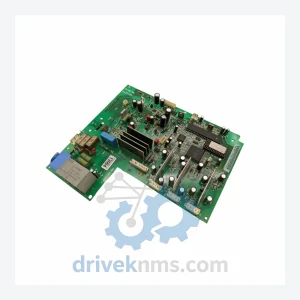
ABB SNAT-7120 Circuit Board – SNAZ7120J Series
ABB SNAT-7120 SNAZ 7120 J SNAZ7120J is listed for SNAZ7120J Series RFQ review. Confirm quantity, condition and destination before quotation.
RFQ-ready industrial model
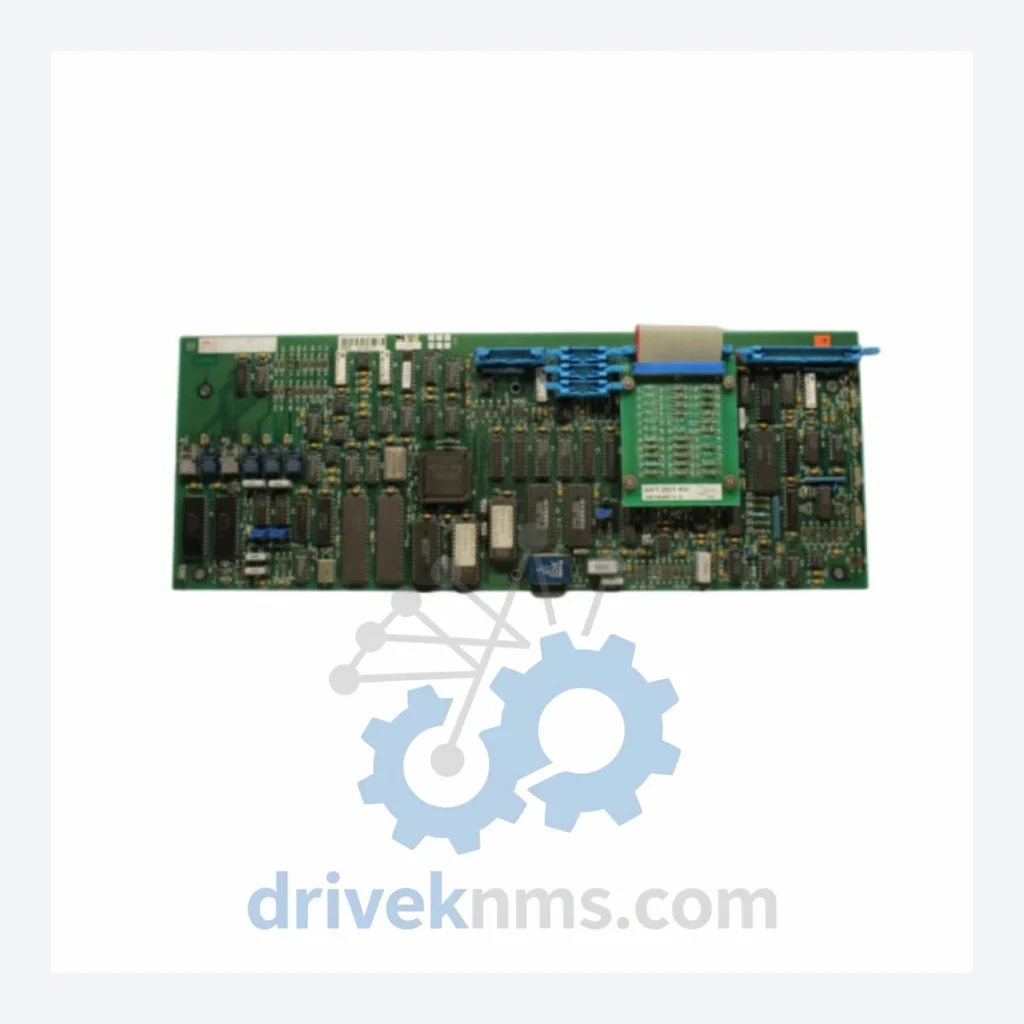
Model: SAFT187 CON
Product Overview
Commercial availability is handled through direct RFQ, model verification and export-oriented follow-up rather than public cart checkout.
Datasheet Preview
Use attached product manuals when available. If the manual is not public yet, request the full file directly through RFQ.
Commercial Path
Product pages on DRIVEKNMS are designed to verify model, brand and series first, then move the buyer into one clean quotation path.
Technical Dossier
The ABB SAFT187 series represents a critical family of drive control boards deployed across global heavy industries including petrochemical refineries, nuclear power facilities, offshore platforms, and large-scale cement and steel manufacturing plants. Originally engineered as part of ABB's SAMI and ACS series variable frequency drive (VFD) ecosystem, the SAFT187 control boards serve as the central processing and signal interface layer between the drive's power electronics and external control systems. Their long service life — often exceeding 20 years in continuous industrial operation — has made them a high-demand spare part category for plant maintenance engineers worldwide.
The SAFT187 board family was introduced as part of ABB's SAMI GS / SAMI MV drive platform during the late 1980s and early 1990s, a period when ABB was consolidating its industrial drive architecture under a unified control board standard. Early SAFT187 variants used discrete logic components and parallel bus communication, making them compatible with the SAMI Star, SAMI GS, and ACS 300–600 series drives of that era.
As ABB transitioned into the ACS800 and ACS600 platforms through the 1990s and 2000s, the SAFT187 board was progressively replaced by the AINT, RDCU, and RMIO board families. However, the installed base of SAMI-series drives in legacy industrial facilities has ensured continued demand for SAFT187 boards well into the 2020s. The primary compatibility challenge for maintenance engineers is the board's reliance on proprietary ABB DDCS (Distributed Drive Control System) fiber-optic communication, which is not interchangeable with modern PROFIBUS or EtherNet/IP adapters without a gateway module.
For plants still operating SAMI-era drives, the SAFT187 CON variant remains the most commonly replaced control board, as it handles the core PWM signal generation, fault logic, and I/O interfacing functions that are most susceptible to capacitor aging and EEPROM degradation over time.
The following SKUs represent the verified SAFT187 series module range. Each unit is classified by its primary function within the ABB SAMI/ACS drive architecture:
SAFT187 CON: Main drive control board; PWM generation, fault logic, I/O interface
SAFT187 PAC: Power supply and control interface board for SAMI GS drives
SAFT187 CMA: Communication adapter board; DDCS fiber-optic master interface
SAFT187 CMB: Secondary DDCS communication board; follower axis configuration
SAFT187 IOA: Analog I/O expansion board; 4–20 mA and 0–10 V signal channels
SAFT187 IOD: Digital I/O expansion board; 24 VDC discrete input/output module
SAFT187 REF: Speed reference and feedback processing board
SAFT187 TAC: Tachometer and encoder feedback interface board
SAFT187 FEX: Field excitation control board for DC drive integration
SAFT187 POW: Internal 24 VDC auxiliary power supply board
SAFT187 MEM: Parameter memory and EEPROM storage module
SAFT187 OPT: Optional I/O and fieldbus option slot interface board
SAFT187 GND: Ground fault detection and isolation monitoring board
SAFT187 TMP: Thermal monitoring and PTC/NTC temperature input board
SAFT187 SYN: Synchronization board for multi-drive parallel operation
SAFT187 BRK: Brake chopper control and monitoring interface board
Customers operating multiple SAMI-series drives are advised to establish a standing spare parts agreement to avoid single-point-of-failure exposure on aging control boards.
SAFT187 boards present specific testing challenges due to their integrated DDCS fiber-optic transceivers, multi-layer PCB construction, and reliance on surface-mount electrolytic capacitors that degrade predictably with thermal cycling. DriveKNMS applies the following verification protocol to all SAFT187 units prior to dispatch:
Continue The Model Path
Move from this exact model into the matching system hub, brand archive, model-family archive or lifecycle sourcing route before sending a final RFQ list.
Related Paths
ABB SNAT-7120 SNAZ 7120 J SNAZ7120J is listed for SNAZ7120J Series RFQ review. Confirm quantity, condition and destination before quotation.
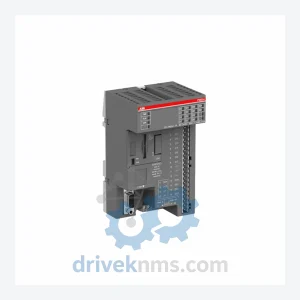
ABB PM564-TP-ETH 1SAP121100R0071 is listed for Servo Drives RFQ review. Confirm quantity, condition and destination before quotation.
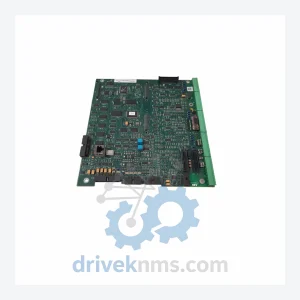
ABB SCDCS-CON-4 is listed for CON-4 Control Board RFQ review. Confirm quantity, condition and destination before quotation.