
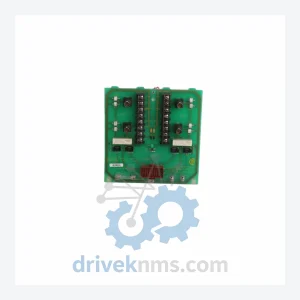
ABB NTCL01 Communication Termination Unit
ABB NTCL01 is listed for Communication Modules RFQ review. Confirm quantity, condition and destination before quotation.
RFQ-ready industrial model
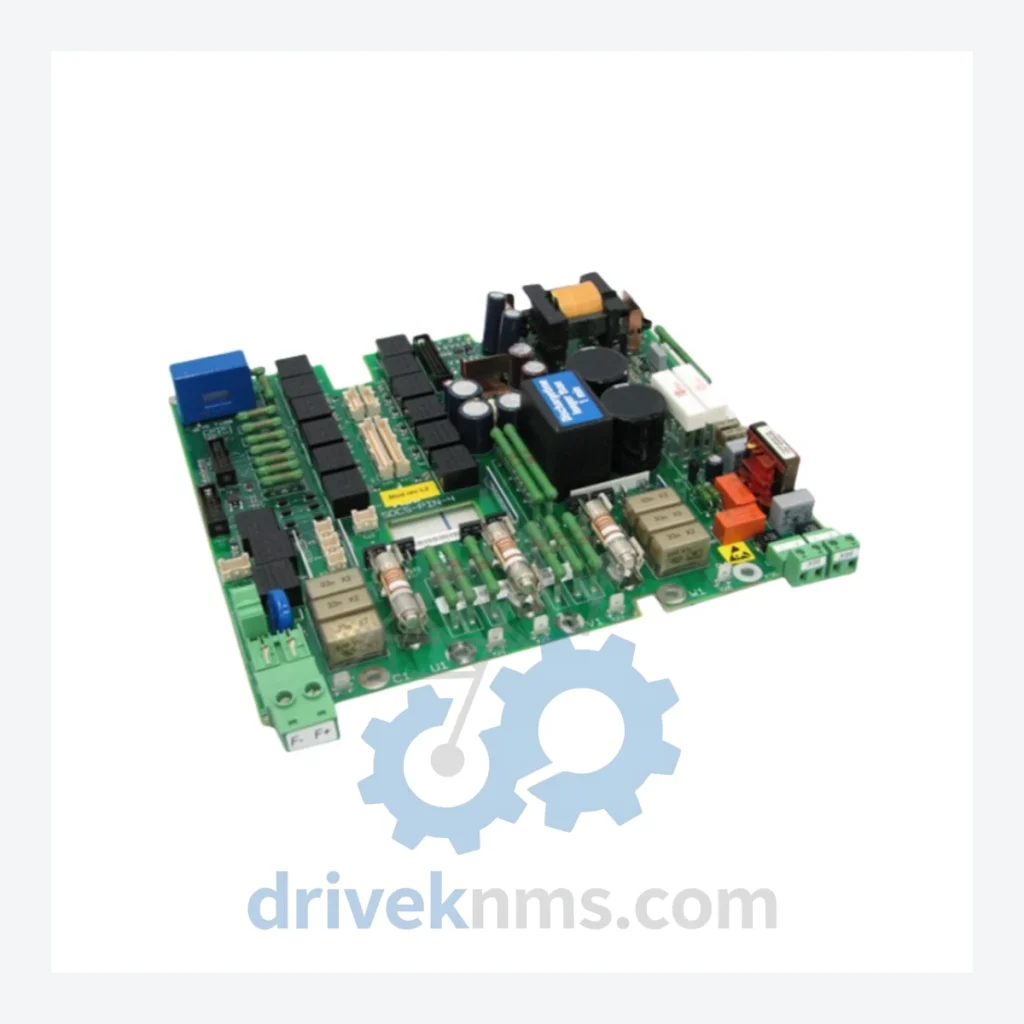
Model: SDCS-PIN-4B-COATED 3ADT316300R1510
Product Overview
Commercial availability is handled through direct RFQ, model verification and export-oriented follow-up rather than public cart checkout.
Datasheet Preview
Use attached product manuals when available. If the manual is not public yet, request the full file directly through RFQ.
Commercial Path
Product pages on DRIVEKNMS are designed to verify model, brand and series first, then move the buyer into one clean quotation path.
Technical Dossier
RFQ support for obsolete parts: Send the model number, required quantity and destination so DriveKNMS can confirm sourcing options before quotation.
| Parameter | Detail |
|---|---|
| Manufacturer | ABB |
| Part Number | SDCS-PIN-4B-COATED |
| ABB Order Code | 3ADT316300R1510 |
| Product Series | SDCS (DC Drive Control System) |
| Module Type | Power Interface Module |
| Compatible Drive Platforms | ABB DCS400, DCS500, DCS600 series DC drives |
| PCB Treatment | Conformal coated (enhanced environmental protection) |
| Discontinuation Status | Discontinued – no longer in ABB standard production |
| Country of Origin | Germany |
Note: Electrical parameters such as input voltage range and current ratings are drive-configuration dependent. Confirmed specifications are provided upon request with your drive nameplate data. No parameters are assumed or fabricated.
The SDCS-PIN-4B-COATED is not a peripheral accessory — it is the interface layer between the SDCS control board and the drive's power section. It handles gate pulse distribution, feedback signal conditioning, and protection logic. Without a functional unit, the drive cannot operate. ABB discontinued the SDCS board family as part of its transition toward the ACS/DCS880 platform, but the installed base of DCS400/500/600 drives in heavy industry remains substantial. Replacement drives require new motor cabling assessments, PLC interface rewiring, and in many cases, full process retuning. Plants running continuous processes — aluminium smelters, cement kilns, pulp digesters — cannot absorb that engineering timeline without significant production loss.
The coated variant (SDCS-PIN-4B-COATED) was specified for environments with elevated humidity, airborne particulates, or chemical exposure. Substituting a non-coated board in these conditions accelerates failure and voids any reliability expectation. Sourcing the correct coated variant is not optional in these installations — it is a maintenance requirement.
For plant engineering and maintenance management teams facing system retirement pressure, the following strategy has been applied successfully across multiple industrial sites to defer capital expenditure while maintaining production reliability:
2. Scheduled capacitor inspection: Electrolytic capacitors on SDCS boards have a finite service life, typically 10–15 years under rated conditions. Boards manufactured in the early 2000s are now operating beyond their capacitor design life. Proactive capacitor replacement on boards still in service — before failure — is the lowest-cost intervention available.
3. Firmware version control: Document the firmware version on every SDCS control board in your installation. Replacement boards must match the firmware revision to avoid parameter incompatibility. This is particularly critical in multi-drive coordinated systems where version mismatches cause synchronisation faults.
Q: How are RFQ terms confirmed?
A: Quantity, required condition, documentation needs, destination and sourcing route are confirmed during RFQ review before quotation.
5. Centralised spare management: Consolidate spare boards across multiple plant sites into a single managed inventory. A board sitting unused at one facility may be the critical spare needed at another. Centralised tracking prevents duplicate purchasing and ensures availability where it is needed.
These measures, applied consistently, have allowed facilities to maintain DCS-series drive systems reliably for 8–12 years beyond the original manufacturer end-of-life date.
Every SDCS-PIN-4B-COATED unit supplied by DriveKNMS passes a structured 5-step inspection protocol before dispatch:
Step 2 – Electrolytic capacitor assessment: Capacitors are inspected for bulging, electrolyte leakage, and ESR deviation. Aged capacitors are flagged and replaced where necessary before the board is offered for sale.
Step 3 – Firmware and label verification: The board's firmware version and ABB part number label are cross-referenced against the order code 3ADT316300R1510 to confirm correct identity.
The SDCS-PIN-4B-COATED is a direct drop-in replacement for the original installed unit. No drive parameter re-entry is required solely due to board replacement — existing parameters stored in the SDCS-CON control board are retained. No PLC interface rewiring is required. No motor cable modifications are needed. The replacement procedure follows ABB's standard SDCS board swap protocol, executable by a qualified drive technician without specialist commissioning tools.
Q: How is condition confirmed before quotation?
A: Available condition, photos, test records and documentation are checked according to the requested model and sourcing channel before a formal RFQ response.
Continue The Model Path
Move from this exact model into the matching system hub, brand archive, model-family archive or lifecycle sourcing route before sending a final RFQ list.
Related Paths
ABB NTCL01 is listed for Communication Modules RFQ review. Confirm quantity, condition and destination before quotation.
ABB NINT-73C is listed for Communication Modules RFQ review. Confirm quantity, condition and destination before quotation.
ABB SDCS-IOB-1 3BSE004084R1 is listed for Communication Modules RFQ review. Confirm quantity, condition and destination before quotation.