
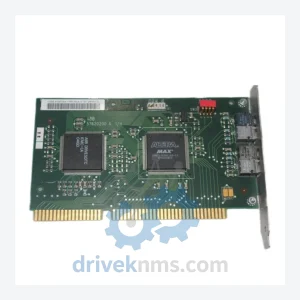
ABB NISA-03 DDCS/ISA Adaptor Module Kit – Obsolete DriveIT Spare Part
ABB NISA-03 is listed for DCS Cards RFQ review. Confirm quantity, condition and destination before quotation.
RFQ-ready industrial model
Model: SDCS-PIN-51
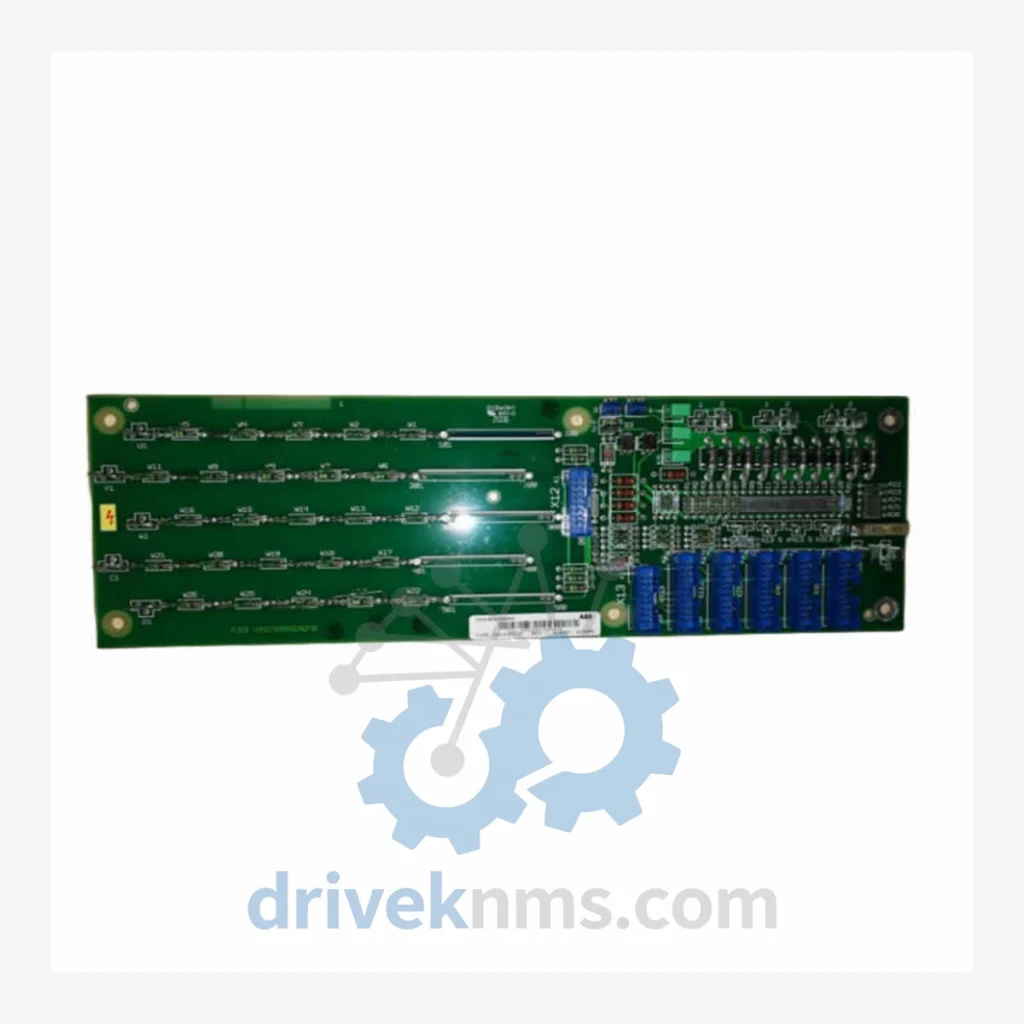
Product Overview
Commercial availability is handled through direct RFQ, model verification and export-oriented follow-up rather than public cart checkout.
Datasheet Preview
Use attached product manuals when available. If the manual is not public yet, request the full file directly through RFQ.
Commercial Path
Product pages on DRIVEKNMS are designed to verify model, brand and series first, then move the buyer into one clean quotation path.
Technical Dossier
RFQ support for obsolete parts: Send the model number, required quantity and destination so DriveKNMS can confirm sourcing options before quotation.
| Part Number | SDCS-PIN-51 |
| Manufacturer | ABB |
| Product Series | DCS (DC Drive Control System) |
| Compatible Drives | ABB DCS400, DCS500, DCS600 |
| Function | Pulse encoder interface card for speed feedback |
| Discontinuation Status | Discontinued / Obsolete – No longer manufactured by ABB |
| Form Factor | Plug-in option card |
| Country of Origin | Germany |
Note: Electrical parameters not listed here are not confirmed from verified documentation. DriveKNMS does not publish unverified specifications. Contact us for datasheet support.
The SDCS-PIN-51 is the pulse encoder interface option card that enables closed-loop speed control in these drives. It reads incremental encoder signals and feeds them to the drive's speed controller. In applications where precise speed regulation is non-negotiable — tension control in winding lines, speed synchronization in multi-motor systems, or positioning in crane drives — this card is not optional. There is no software workaround for a failed hardware interface.
DriveKNMS applies a 5-step quality assurance process to all obsolete and legacy parts before dispatch review:
Condition grade is disclosed in full on every order confirmation. No unit ships without a completed inspection record.
For facilities operating ABB DCS-series DC drives, the question is not whether these systems will eventually require replacement — it is how to manage that transition on your terms rather than under emergency conditions. The following approach has been used by maintenance teams to extend operational life by 5–10 years at a fraction of the cost of premature system retirement:
1. Identify your single points of failure. Option cards like the SDCS-PIN-51 are high-risk components because they are application-specific, no longer manufactured, and not interchangeable with other series. Map every drive in your facility against its installed option cards and confirm which are discontinued.
3. Establish a condition monitoring schedule. Boards of this age should be inspected annually for capacitor condition and connector integrity. Early detection of degradation allows planned replacement rather than emergency response.
4. Document your installed firmware versions. When sourcing replacement cards, firmware compatibility matters. Maintain a record of the version installed in each drive so that replacement cards can be matched or updated accordingly.
5. Source from RFQ-reviewed sourcing status, not auction platforms. Counterfeit and misrepresented parts are a documented risk in the obsolete parts market. Work with suppliers who provide inspection records and condition disclosure on every unit.
Q: How do I know the unit is genuine and not counterfeit?
A: Every unit is inspected against known reference units for board markings, component layout, and part number labeling. Inspection records are available on request. We do not source from unverified secondary markets.
Q: Do you provide documentation or datasheets?
A: We can provide available technical documentation for the SDCS-PIN-51 upon request. Contact our technical team via email.
Continue The Model Path
Move from this exact model into the matching system hub, brand archive, model-family archive or lifecycle sourcing route before sending a final RFQ list.
Related Paths
ABB NISA-03 is listed for DCS Cards RFQ review. Confirm quantity, condition and destination before quotation.
ABB PU514 is listed for DCS Cards RFQ review. Confirm quantity, condition and destination before quotation.
ABB SC300E PAC 031-1053-04 is listed for DCS Cards RFQ review. Confirm quantity, condition and destination before quotation.