
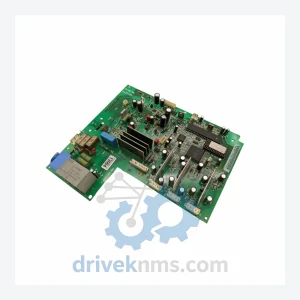
ABB SNAT-7120 Circuit Board – SNAZ7120J Series
ABB SNAT-7120 SNAZ 7120 J SNAZ7120J is listed for SNAZ7120J Series RFQ review. Confirm quantity, condition and destination before quotation.
RFQ-ready industrial model
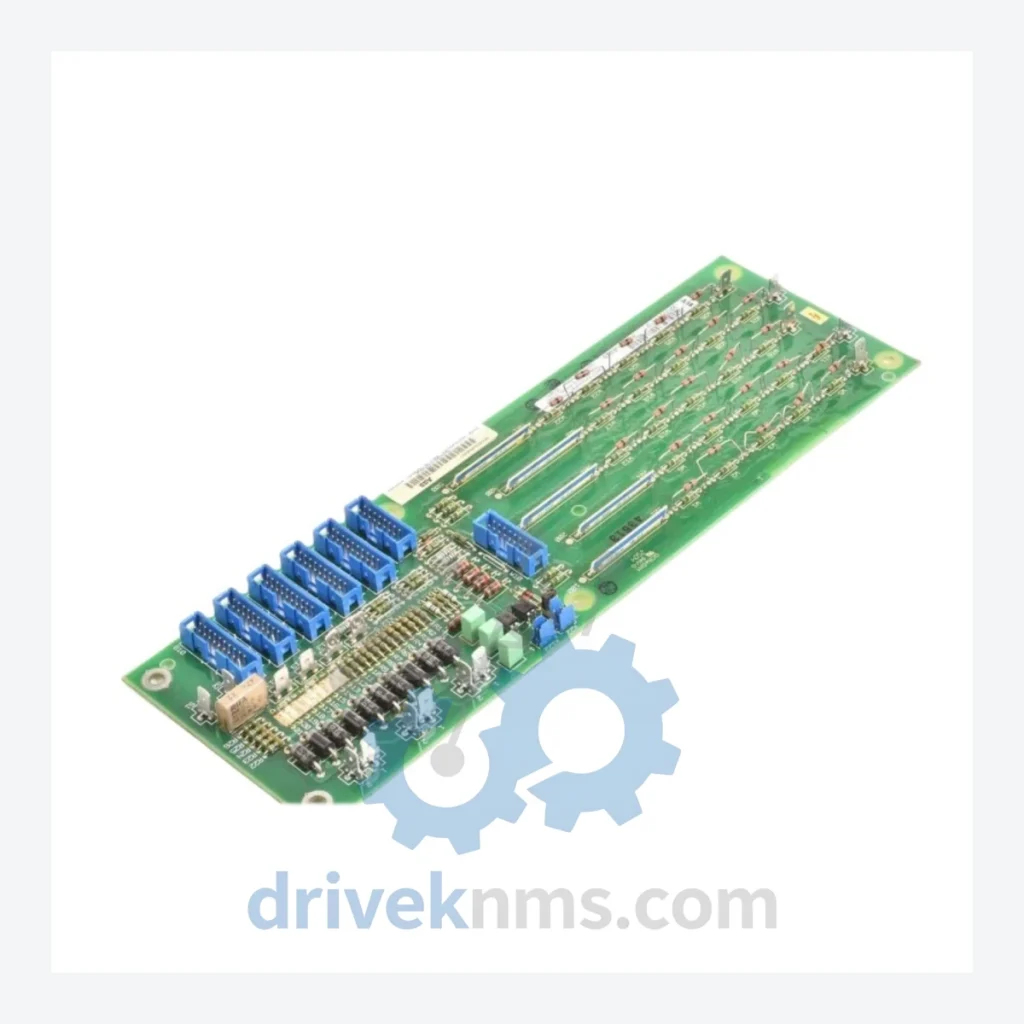
Model: SDCS-PIN-H51 3ADT320700R1501
Product Overview
Commercial availability is handled through direct RFQ, model verification and export-oriented follow-up rather than public cart checkout.
Datasheet Preview
Use attached product manuals when available. If the manual is not public yet, request the full file directly through RFQ.
Commercial Path
Product pages on DRIVEKNMS are designed to verify model, brand and series first, then move the buyer into one clean quotation path.
Technical Dossier
The SDCS platform was introduced alongside the DCS400 and DCS500 drive families in the late 1990s, establishing a standardized backplane and ribbon-cable interconnect topology that persisted through the DCS800 generation. Early SDCS-CON-1 and SDCS-CON-2 controller boards operated on a proprietary serial fieldbus for I/O expansion. The SDCS-COM series introduced open fieldbus adapters (PROFIBUS, DeviceNet, Modbus) as plug-in daughter cards, enabling integration into modern DCS environments without drive replacement. The SDCS-PIN power interface boards evolved from single-phase rectifier support (PIN-H51) to multi-pulse and regenerative configurations (PIN-205, PIN-41). By the DCS800 era, the SDCS-FEX family added field excitation control directly onto the control board stack, eliminating external excitation regulators. As of 2026, the DCS800 and its SDCS control stack are in the mature/end-of-active-production phase; ABB continues to supply spare parts through its service network, but new design wins are directed toward the ACS880 DC-to-AC migration path. For plants committed to DC drive infrastructure, long-term spare parts inventory of SDCS boards is the primary maintenance strategy.
Power Interface Boards (PIN)
Main Controller Boards (CON)
I/O Expansion Boards (IOB / IOC)
Fieldbus Communication Adapters (COM)
Field Excitation Boards (FEX)
Q: How are RFQ terms confirmed?
A: Quantity, required condition, documentation needs, destination and sourcing route are confirmed during RFQ review before quotation.
Continue The Model Path
Move from this exact model into the matching system hub, brand archive, model-family archive or lifecycle sourcing route before sending a final RFQ list.
Related Paths
ABB SNAT-7120 SNAZ 7120 J SNAZ7120J is listed for SNAZ7120J Series RFQ review. Confirm quantity, condition and destination before quotation.
ABB PM564-TP-ETH 1SAP121100R0071 is listed for Servo Drives RFQ review. Confirm quantity, condition and destination before quotation.
ABB SCDCS-CON-4 is listed for CON-4 Control Board RFQ review. Confirm quantity, condition and destination before quotation.