
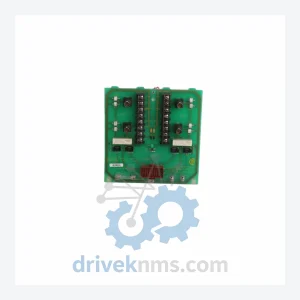
ABB NTCL01 Communication Termination Unit
ABB NTCL01 is listed for Communication Modules RFQ review. Confirm quantity, condition and destination before quotation.
RFQ-ready industrial model
Model: TA8412N7600E912 3HNA021184-001 PPRU 3HNA007022-001
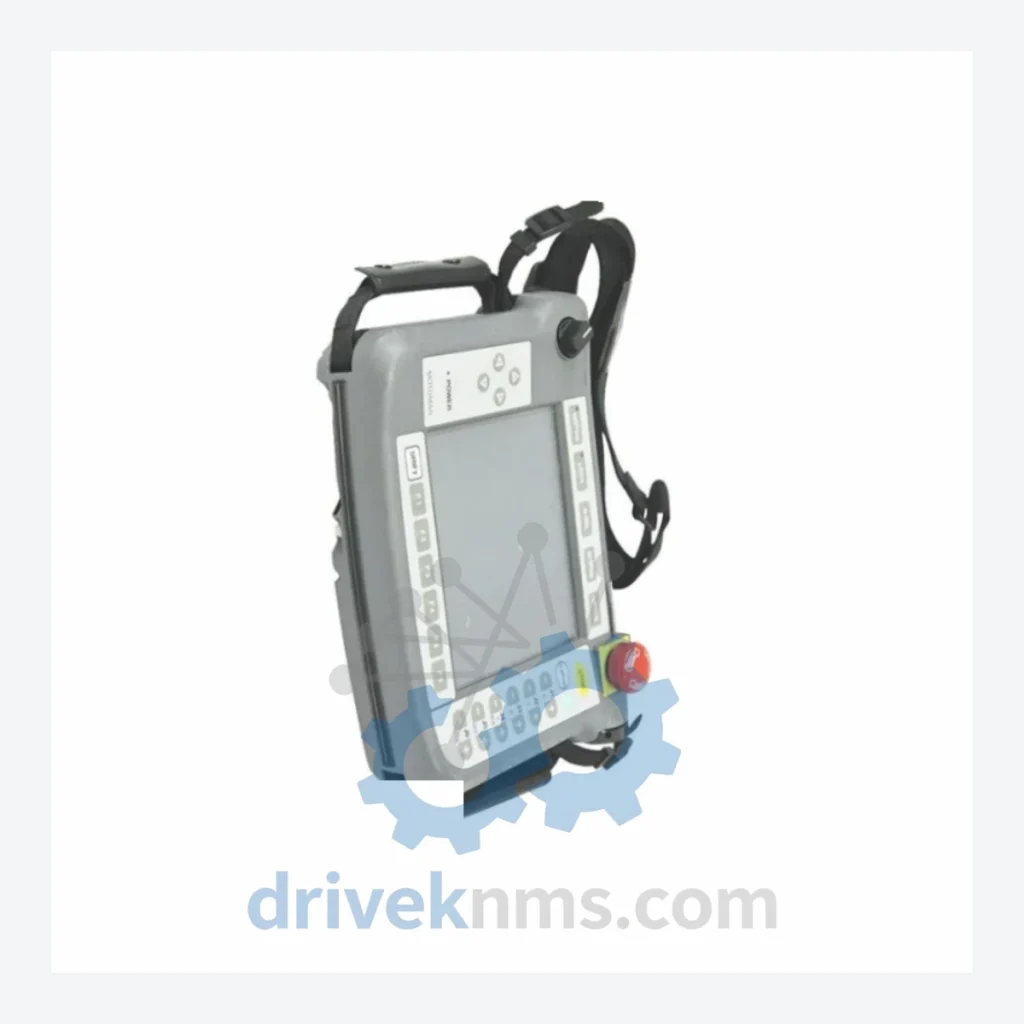
Product Overview
Commercial availability is handled through direct RFQ, model verification and export-oriented follow-up rather than public cart checkout.
Datasheet Preview
Use attached product manuals when available. If the manual is not public yet, request the full file directly through RFQ.
Commercial Path
Product pages on DRIVEKNMS are designed to verify model, brand and series first, then move the buyer into one clean quotation path.
Technical Dossier
The ABB PPRU (Panel Power and Relay Unit) series is a core subsystem within ABB's IRC5 and S4C+ robot controller platforms, deployed across heavy industrial environments including automotive assembly lines, chemical processing plants, oil refineries, and nuclear facility maintenance operations. The PPRU module governs power distribution, relay switching, and servo network communication between the robot controller cabinet and drive units. Its role as the electrical backbone of ABB's servo architecture makes it a critical spare part for any facility operating ABB industrial robots at scale.
The PPRU series traces its origins to ABB's S4 controller generation (mid-1990s), where power relay logic was distributed across discrete PCB assemblies. With the introduction of the S4C and S4C+ platforms, ABB consolidated relay switching and panel power functions into a unified PPRU module format, reducing wiring complexity and improving diagnostic accessibility.
The IRC5 controller generation (introduced 2004) brought a revised PPRU architecture with integrated network servo communication via the SREA (Servo and Robot Electronics Architecture) bus. Modules such as the 3HNA021184-001 and 3HNA007022-001 represent this IRC5-era design, featuring enhanced EMC shielding, improved thermal management, and compatibility with ABB's FlexPendant and RobotWare 5.x/6.x software stacks.
Compatibility note: S4C+ PPRU modules are not directly interchangeable with IRC5 variants due to differences in backplane connector pinout and firmware handshake protocols. Cross-generation substitution requires engineering validation.
The following SKUs represent verified components within the ABB PPRU and associated IRC5 servo network ecosystem. Each entry reflects a distinct functional role within the controller architecture:
3HNA021184-001: PPRU panel power relay unit, IRC5 controller, primary variant
3HNA007022-001: Network servo system interface board, IRC5 drive communication
TA8412N7600E912: Assembly reference for PPRU network servo system kit configuration
3HAC026254-001: Drive unit DSQC 663, IRC5 single drive module
3HAC025338-001: Axis computer DSQC 668, IRC5 robot controller
3HAC026254-002: Drive unit DSQC 663, IRC5 dual-axis configuration
3HAC044168-001: DSQC 1000 main computer unit, IRC5 compact controller
3HAC031670-001: Power supply unit DSQC 661, 24VDC panel power
3HAC025338-002: Axis computer DSQC 668, extended memory variant
3HAC026254-003: Drive unit DSQC 663, IRC5 triple-axis configuration
3HAC032652-001: I/O unit DSQC 651, digital I/O 24VDC
3HAC025917-001: I/O unit DSQC 652, analog I/O module
3HAC025338-003: Axis computer DSQC 668, IRC5 paint robot variant
3HAC026254-004: Drive unit DSQC 663, high-current servo axis
3HAC044168-002: DSQC 1000 main computer, IRC5 panel-mounted variant
3HAC031670-002: Power supply unit DSQC 661, redundant power configuration
3HAC032652-002: I/O unit DSQC 651, extended digital I/O 48-channel
PPRU modules present specific test challenges due to their dual function as both power relay switching units and servo network communication interfaces. DriveKNMS applies a multi-stage verification protocol to all PPRU units prior to shipment:
Stage 1 — Visual and Physical Inspection: PCB surface examination for burn marks, capacitor bulge, relay contact wear, and connector pin integrity. Backplane connector alignment verified against OEM dimensional specifications.
Stage 2 — Relay Functional Test: Each relay channel is cycled under rated load conditions. Contact resistance measured at <100mΩ per OEM specification. Coil drive current verified within tolerance.
Stage 3 — Power Rail Verification: 24VDC and 48VDC panel power outputs measured under simulated load. Ripple and noise levels verified against IRC5 controller power quality requirements.
Stage 4 — Servo Network Communication Test: Where applicable, PPRU units are bench-tested in a representative IRC5 controller environment to verify SREA bus handshake, axis enable signaling, and fault relay response.
Stage 5 — Burn-In and Final Certification: Units undergo a minimum 4-hour thermal burn-in cycle. All test data is logged and a certificate of conformance is issued with each shipment.
Continue The Model Path
Move from this exact model into the matching system hub, brand archive, model-family archive or lifecycle sourcing route before sending a final RFQ list.
Related Paths
ABB NTCL01 is listed for Communication Modules RFQ review. Confirm quantity, condition and destination before quotation.
ABB NINT-73C is listed for Communication Modules RFQ review. Confirm quantity, condition and destination before quotation.
ABB SDCS-IOB-1 3BSE004084R1 is listed for Communication Modules RFQ review. Confirm quantity, condition and destination before quotation.