
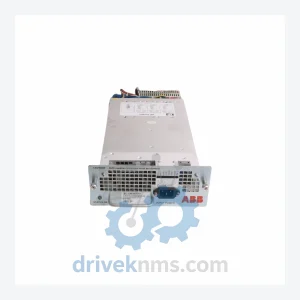
ABB P-HA-RPS-32200000 Power Supply Module – PHARPS32200000
ABB P-HA-RPS-32200000 PHARPS32200000 is listed for Power Supplies RFQ review. Confirm quantity, condition and destination before quotation.
RFQ-ready industrial model
Model: ZINT-592
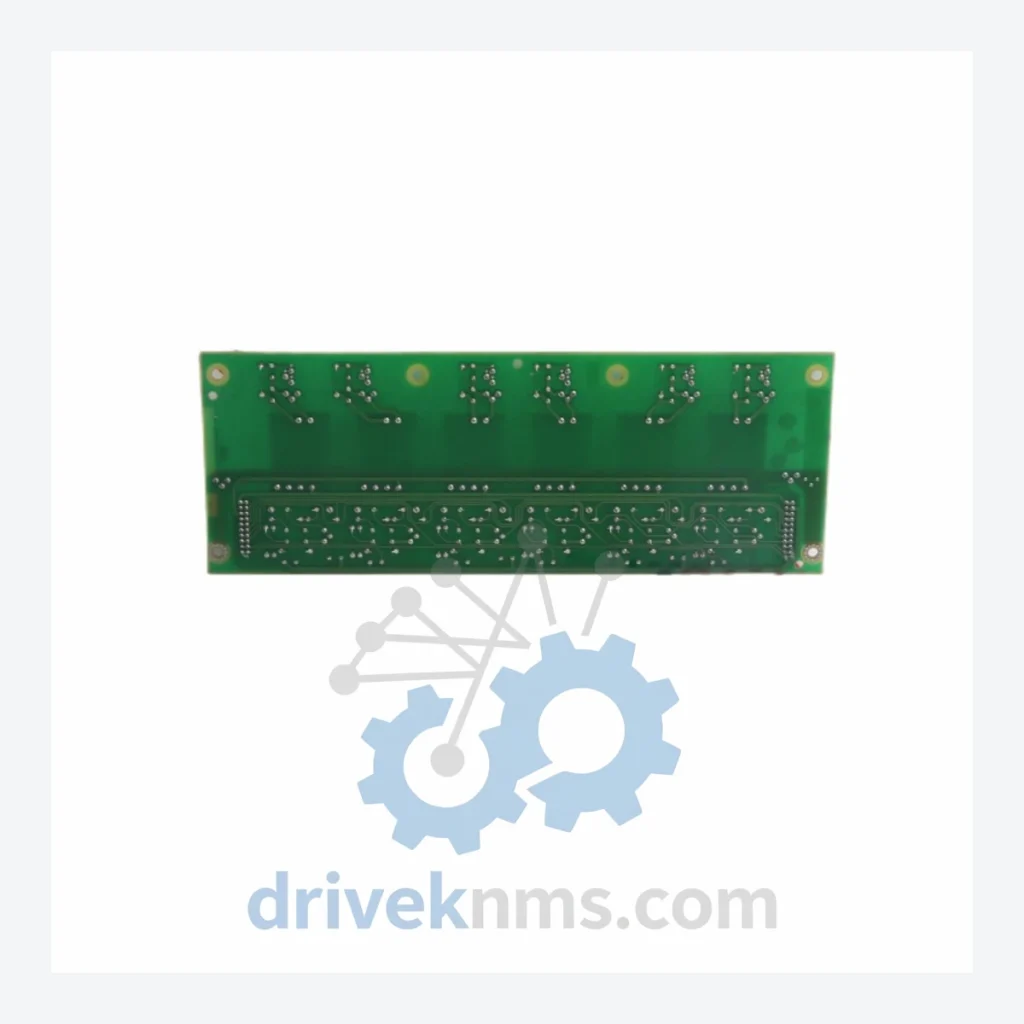
Product Overview
Commercial availability is handled through direct RFQ, model verification and export-oriented follow-up rather than public cart checkout.
Datasheet Preview
Use attached product manuals when available. If the manual is not public yet, request the full file directly through RFQ.
Commercial Path
Product pages on DRIVEKNMS are designed to verify model, brand and series first, then move the buyer into one clean quotation path.
Technical Dossier
DriveKNMS reviews sourcing options for this model during RFQ handling before quotation.
RFQ support for obsolete parts: Send the model number, required quantity and destination so DriveKNMS can confirm sourcing options before quotation.
Note: Electrical parameters such as input voltage range and current ratings are board-specific and vary by drive configuration. Do not assume values — always cross-reference with your drive's technical documentation or contact us for verification before installation.
For plant engineering and operations leadership managing aging ABB drive infrastructure, the following maintenance framework has been applied successfully across heavy industry to defer system replacement by a decade or more:
1. Condition-Based Monitoring: Implement thermal imaging and vibration analysis on drive cabinets annually. Early detection of capacitor degradation or cooling fan failure prevents cascading board damage — the ZINT-592 is particularly vulnerable to thermal stress from failed cooling systems.
2. Critical Spare Identification: Map every ACS-series drive on your site. Identify which boards are single points of failure with no on-site spare. The ZINT-592 is consistently on this list for ACS600/ACS800 installations. Procure at least one verified spare per drive family.
3. Firmware Version Control: Document the firmware version running on each drive. When sourcing replacement boards, ensure the replacement is compatible with your existing firmware to avoid re-commissioning requirements.
4. Electrolytic Capacitor Replacement Program: Electrolytic capacitors on power boards have a finite service life, typically 10–15 years under normal operating conditions. A proactive capacitor replacement program on boards that are still functional extends their reliable service life significantly and is far cheaper than emergency sourcing of a failed board.
5. Controlled Storage of Spares: Boards in storage must be kept in anti-static packaging, in a climate-controlled environment (15–25°C, <60% RH). Improper storage of a spare board can render it non-functional before it is ever installed.
This framework does not require capital investment in new equipment. It requires discipline, documentation, and access to verified spare parts. DriveKNMS exists to support the third element.
Every ZINT-592 unit that leaves our facility has passed a structured 5-step quality process before it is offered for sale:
Step 1 – Visual Inspection: Full board examination under magnification for physical damage, burn marks, cracked solder joints, and pin corrosion. Any unit with compromised connector pins is rejected at this stage.
Step 2 – Electrolytic Capacitor Assessment: Capacitors are tested for capacitance value, ESR (equivalent series resistance), and leakage. Aged or out-of-spec capacitors are flagged. For refurbished units, capacitors are replaced with equivalent-rated components from verified manufacturers.
Step 3 – Firmware Version Verification: Where applicable, the firmware version is documented and disclosed to the buyer prior to shipment. This allows your engineering team to confirm compatibility with the target drive before the board is installed.
Step 4 – Functional Bench Test: Units are powered and tested in a controlled bench environment to verify basic operational integrity. Results are logged.
Step 5 – Anti-Static Packaging and Documentation: Each unit is sealed in anti-static packaging with a condition report. Lot traceability information is retained in our records for post-sale reference.
We do not sell boards that have not passed this process. If a unit cannot be verified, it is not offered.
The ZINT-592 is a direct, drop-in replacement for the original board in compatible ABB ACS-series drives. Installation does not require drive reprogramming or control system reconfiguration in standard replacement scenarios. This means your maintenance team can execute the swap during a planned shutdown window without involving external engineering resources.
The ZINT-592 replacement path keeps your existing control architecture intact, preserves your validated process parameters, and returns the drive to service on your schedule rather than a contractor's.
Q: How do I know the unit is genuine and not counterfeit?
A: All units are sourced through traceable industrial channels. We do not purchase from unverified secondary markets. Physical markings, board revision numbers, and component configurations are cross-referenced against known-good references. If you have specific authentication requirements, contact us before purchase.
Continue The Model Path
Move from this exact model into the matching system hub, brand archive, model-family archive or lifecycle sourcing route before sending a final RFQ list.
Related Paths
ABB P-HA-RPS-32200000 PHARPS32200000 is listed for Power Supplies RFQ review. Confirm quantity, condition and destination before quotation.
ABB SDCD-POW-4 3ADT315100R1001 is listed for Power Supplies RFQ review. Confirm quantity, condition and destination before quotation.
ABB NPOW-62C 64113429B is listed for Power Supplies RFQ review. Confirm quantity, condition and destination before quotation.