
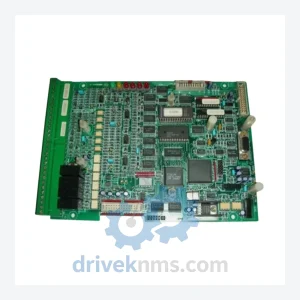
AEREVB 211QS10540C Vibration Sensor – Obsolete Legacy Spare Part
Aerevb 211QS10540C is listed for Sensors & Encoders RFQ review. Confirm quantity, condition and destination before quotation.
RFQ-ready industrial model
Model: 211QS10538C
Product Overview
Commercial availability is handled through direct RFQ, model verification and export-oriented follow-up rather than public cart checkout.
Datasheet Preview
Use attached product manuals when available. If the manual is not public yet, request the full file directly through RFQ.
Commercial Path
Product pages on DRIVEKNMS are designed to verify model, brand and series first, then move the buyer into one clean quotation path.
Technical Dossier
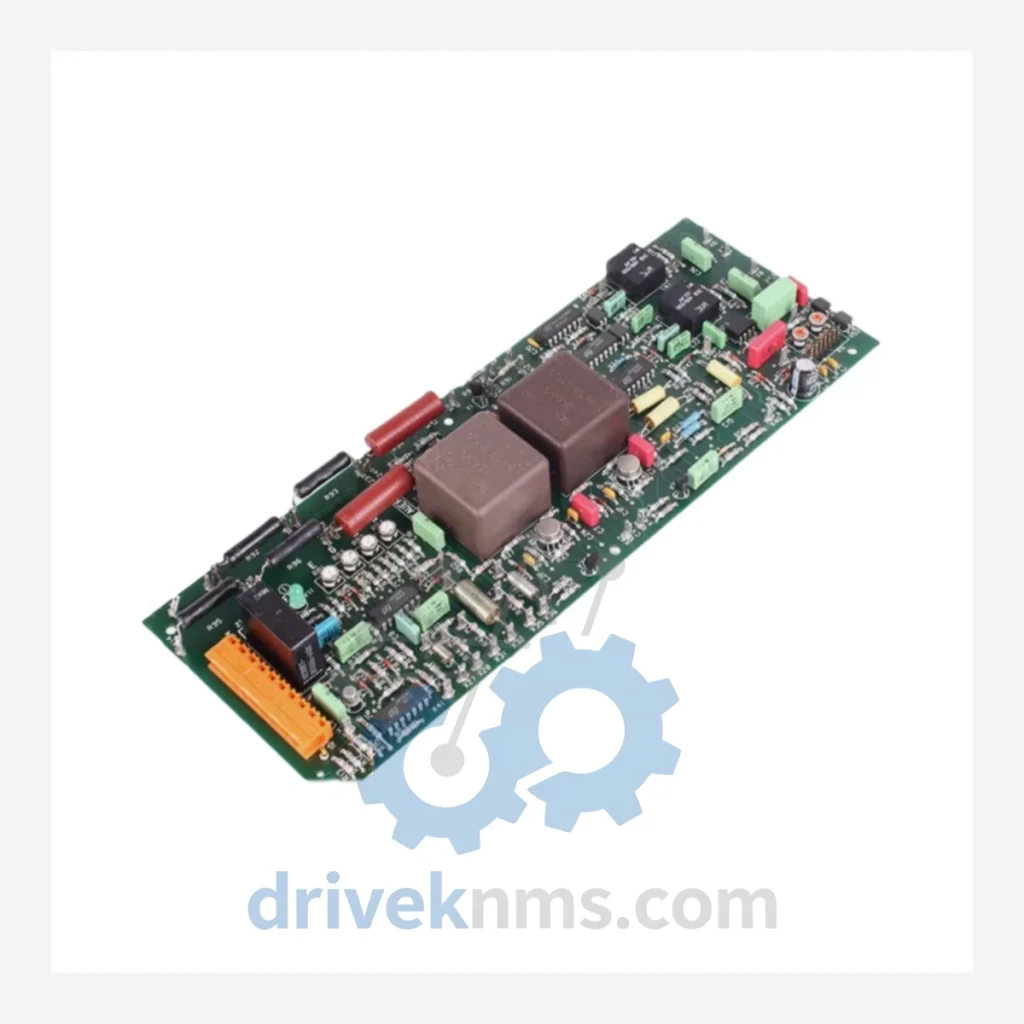
The AEREVB 211QS10538C is a discontinued PLC module with a shrinking supply window. DriveKNMS maintains RFQ-reviewed sourcing status of this part, sourced through controlled industrial channels. Securing a spare now is not a procurement exercise — it is an asset protection decision.
RFQ support for obsolete parts: Send the model number, required quantity and destination so DriveKNMS can confirm sourcing options before quotation.
Legacy PLC platforms built around AEREVB hardware were engineered for deterministic, high-reliability control environments — process manufacturing, discrete assembly, and utilities infrastructure. These systems were designed with 20–30 year operational horizons in mind, and many remain in service well beyond their original support windows.
The 211QS10538C module occupies a specific functional role within its host rack architecture. Unlike modern modular platforms where I/O cards are interchangeable across generations, legacy AEREVB systems depend on exact hardware revisions for backplane compatibility and firmware handshaking. A substitute from a different generation or a competing brand is not a drop-in replacement — it requires engineering hours, software reconfiguration, and in regulated industries, a full revalidation cycle.
For plant managers operating under capital expenditure constraints, the calculus is straightforward: a verified OEM-equivalent spare at a fraction of the migration cost preserves production continuity without triggering a capital project. Facilities that maintain a strategic inventory of critical discontinued modules routinely extend the operational life of their automation assets by 5 to 10 years beyond the manufacturer's end-of-support date.
The strategy is not complicated. Identify the three to five modules in your control architecture that are both discontinued and single-point-of-failure. Secure two to three units of each. Store them in controlled conditions — temperature-stable, ESD-protected, away from humidity. The carrying cost of that inventory is negligible against the cost of a single unplanned outage caused by an unfindable part.
DriveKNMS applies a structured 5-step quality process to all refurbished obsolete modules before they leave our facility:
New (sealed) units are shipped in original or equivalent ESD-protective packaging with lot traceability documentation where available.
Q: How are RFQ terms confirmed?
A: Quantity, required condition, documentation needs, destination and sourcing route are confirmed during RFQ review before quotation.
Q: Should I buy more than one unit?
A: For any discontinued module that is a single point of failure in your control architecture, holding a minimum of two spare units is standard practice. The cost of a second unit is a fraction of the cost of a single production stoppage caused by an unavailable part. Given the shrinking supply of AEREVB 211QS10538C units in the market, procurement delay carries real risk.
Q: Can you verify compatibility with my specific system configuration before I order?
A: Yes. Contact our technical team with your system details — rack type, firmware version, and application context — and we will confirm compatibility before you commit to a purchase.
Continue The Model Path
Move from this exact model into the matching system hub, brand archive, model-family archive or lifecycle sourcing route before sending a final RFQ list.
Related Paths
Aerevb 211QS10540C is listed for Sensors & Encoders RFQ review. Confirm quantity, condition and destination before quotation.
Alstom MVAJ105RA0802A is listed for MiCOM Series RFQ review. Confirm quantity, condition and destination before quotation.
Moore 16137-174 is listed for Servo Drives RFQ review. Confirm quantity, condition and destination before quotation.