
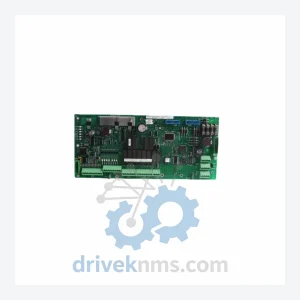
Alfa Laval 3183067861 EPC50BM I/O Board – EPC Series
Alfa Laval 3183067861 EPC50BM is listed for EPC Series RFQ review. Confirm quantity, condition and destination before quotation.
RFQ-ready industrial model
Model: EPC1000
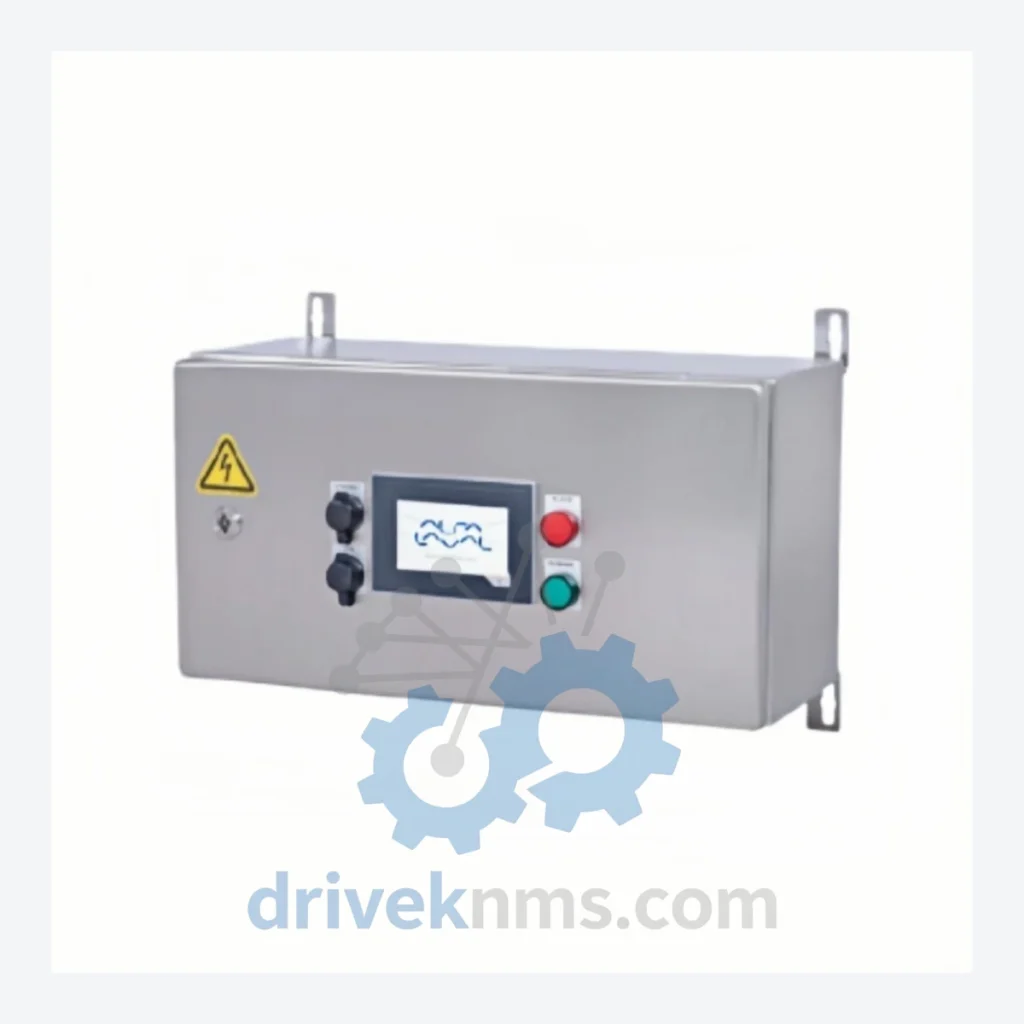
Product Overview
Commercial availability is handled through direct RFQ, model verification and export-oriented follow-up rather than public cart checkout.
Datasheet Preview
Use attached product manuals when available. If the manual is not public yet, request the full file directly through RFQ.
Commercial Path
Product pages on DRIVEKNMS are designed to verify model, brand and series first, then move the buyer into one clean quotation path.
Technical Dossier
DriveKNMS maintains sourced inventory of the EPC1000 for facilities that have made the deliberate, financially sound decision to extend the operational life of their existing infrastructure rather than absorb the capital cost of a forced upgrade.
RFQ support for obsolete parts: Send the model number, required quantity and destination so DriveKNMS can confirm sourcing options before quotation.
| Parameter | Detail |
|---|---|
| Manufacturer | Alfa Laval |
| Model / Part Number | EPC1000 |
| Series | EPC Series |
| Product Category | Industrial Process Controller |
| Country of Origin | Sweden |
| Discontinuation Status | Confirmed Obsolete – No longer in active production |
| OEM Support Status | End-of-Life (EOL) – No factory support available |
| Weight | 2.5 kg |
| Typical Application | Separation, heat transfer, and fluid handling process control in food, dairy, beverage, and industrial processing plants |
| Compatible Systems | Alfa Laval EPC-series control architectures; legacy separation and pasteurization line control panels |
Note: Electrical parameters (voltage, current ratings, I/O specifications) are not published here to prevent misapplication. Contact our technical team with your system documentation for confirmation before ordering.
The Alfa Laval EPC1000 was designed as the central control unit for EPC-series process lines — managing separation sequences, temperature regulation, and alarm logic in environments where process continuity is non-negotiable. In dairy and beverage processing, these lines operate on tight hygiene and throughput schedules. A controller failure does not simply pause production; it triggers a cascade: product loss, CIP cycle interruption, regulatory compliance exposure, and in some cases, spoilage of in-process batches.
The core problem facing maintenance and operations managers is not the cost of the EPC1000 itself — it is the cost of the alternative. Migrating away from an EPC-series control architecture requires a full engineering study, new PLC or DCS hardware, updated HMI software, revised P&IDs, and a commissioning period that takes the line offline. For a mid-sized dairy processing facility, that project timeline is measured in months, not weeks, and the capital expenditure is rarely budgeted in advance.
The EPC1000 also appears in legacy configurations alongside older Alfa Laval SCADA interfaces and third-party supervisory systems that were integrated during the original plant build. Replacing the controller without addressing those integration dependencies introduces additional engineering risk. Maintaining the original hardware eliminates that risk entirely.
For plant management facing pressure to modernize aging control infrastructure, the choice is rarely binary. A structured spare parts strategy — executed before a failure occurs — is the lowest-cost path to extending the productive life of an existing system by five to ten years. The following approach applies directly to facilities running EPC-series Alfa Laval control systems:
3. Source from verified secondary market suppliers. The secondary market for obsolete industrial controls is not uniform. Units sourced without inspection history, firmware verification, or functional testing carry real risk. Specify QA documentation as a procurement requirement, not an optional add-on.
4. Document the configuration. Before any maintenance event, ensure the current controller configuration — parameter sets, alarm thresholds, communication settings — is backed up and stored offline. This is the single most common gap in legacy system maintenance programs and the one that causes the most damage when a controller is replaced under pressure.
Sourcing a discontinued controller from the secondary market carries inherent risk if the supplier's inspection process is not rigorous. DriveKNMS applies a 5-step QA protocol to every EPC1000 unit before it is offered for sale:
Step 1 – Visual and Mechanical Inspection: Full external inspection for physical damage, pin corrosion, connector wear, and housing integrity. Units with corroded or deformed I/O pins are rejected at this stage.
Step 2 – Electrolytic Capacitor Assessment: Electrolytic capacitors are the primary failure point in aging control hardware. Each unit is inspected for capacitor bulging, leakage, and ESR deviation. Units with degraded capacitors are either recapped by qualified technicians or removed from inventory.
Step 3 – Firmware Version Verification: The firmware version is read and documented. Where multiple firmware revisions exist, the version is disclosed to the buyer prior to shipment to confirm compatibility with the target system.
Step 4 – Functional Power-On Test: Each unit is powered and tested for basic operational response. Communication interfaces are verified where test equipment permits.
Step 5 – Packaging and ESD Protection: Units are packaged in anti-static materials with desiccant. Shipping packaging is selected to withstand international freight handling.
Condition grade (New, Refurbished-Grade A, or Tested-Used) is disclosed on every order confirmation.
Q: What information do I need to provide to confirm compatibility?
A: Your existing unit's part number, firmware version (if accessible), and the control system it is integrated with. If you have the original system documentation or a nameplate photo, that is sufficient for our technical team to confirm fit.
Continue The Model Path
Move from this exact model into the matching system hub, brand archive, model-family archive or lifecycle sourcing route before sending a final RFQ list.
Related Paths
Alfa Laval 3183067861 EPC50BM is listed for EPC Series RFQ review. Confirm quantity, condition and destination before quotation.
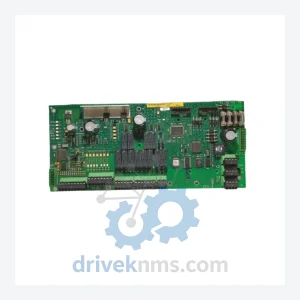
Alfa Laval EPC50 3183045486 is listed for EPC Series RFQ review. Confirm quantity, condition and destination before quotation.
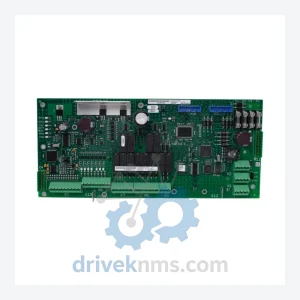
Alfa Laval EPC50B 3183045486 is listed for EPC Series RFQ review. Confirm quantity, condition and destination before quotation.