
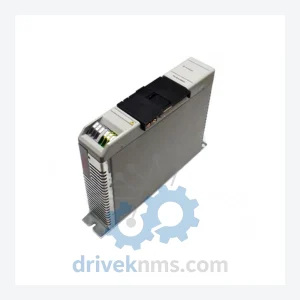
Allen-Bradley 1394C-AM75-IH AC Servo Drive – 1394C Series
Allen-Bradley 1394C-AM75-IH is listed for 1394C Series RFQ review. Confirm quantity, condition and destination before quotation.
RFQ-ready industrial model
Model: 1394C-SJT05-T-RL
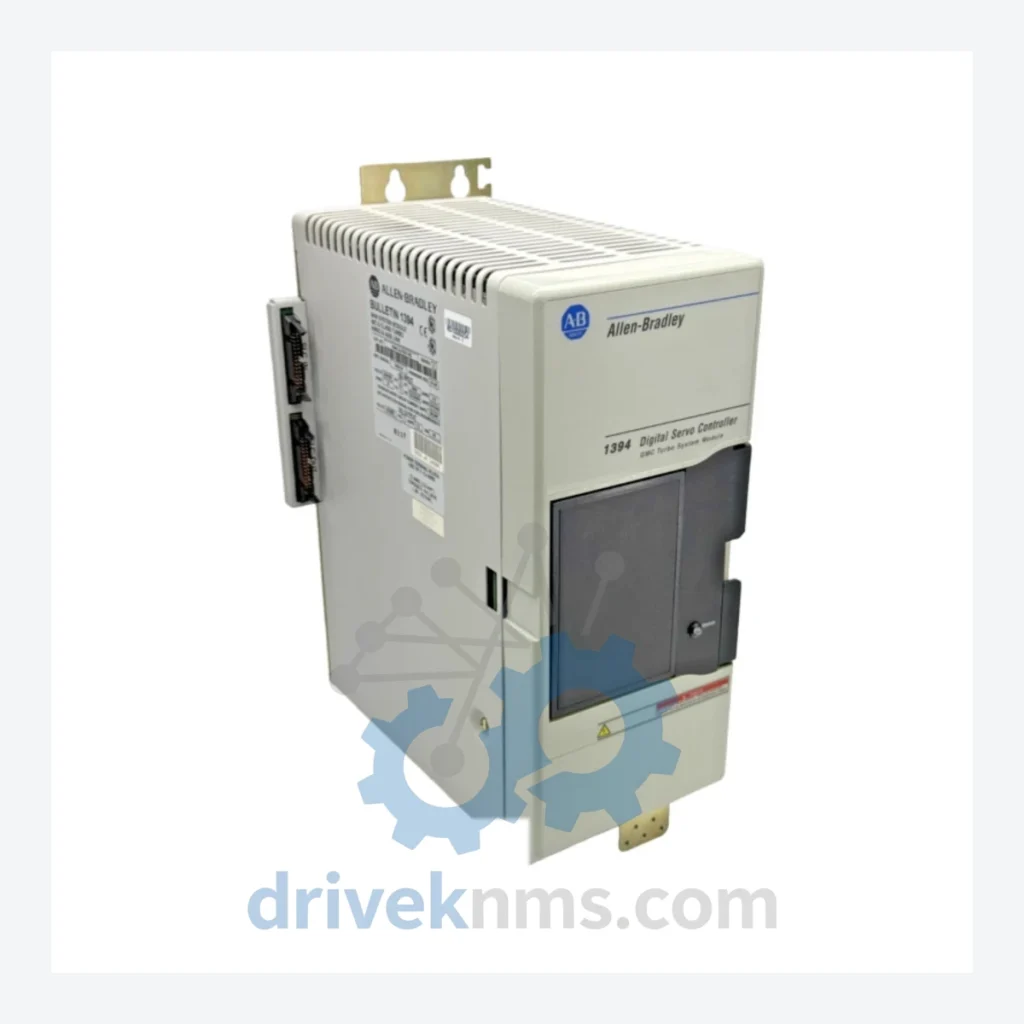
Product Overview
Commercial availability is handled through direct RFQ, model verification and export-oriented follow-up rather than public cart checkout.
Datasheet Preview
Use attached product manuals when available. If the manual is not public yet, request the full file directly through RFQ.
Commercial Path
Product pages on DRIVEKNMS are designed to verify model, brand and series first, then move the buyer into one clean quotation path.
Technical Dossier
The 1394 family was introduced by Allen-Bradley in the early 1990s as a successor to discrete single-axis drive configurations. The original 1394 (non-C suffix) used analog command interfaces and was limited to standalone axis operation. The 1394C revision introduced a shared DC bus topology, allowing multiple axis modules to draw from a common power rail — reducing cabinet footprint and improving regenerative energy handling across axes.
The architecture evolved through several firmware generations: early units used RS-232 serial configuration; later revisions added DeviceNet and Remote I/O (RIO) communication adapters. The 1394C-SJT series introduced the SERCOS fiber-optic motion bus interface, enabling deterministic real-time position loop closure at 1 ms and 2 ms cycle times — a requirement for high-speed coordinated motion in packaging and press applications.
The following SKUs represent verified, commonly stocked models within the 1394C product family. Each entry reflects a distinct functional role within the multi-axis servo system architecture.
System (Chassis / Power) Modules:
Axis Modules (AM — single-axis drive cards):
Communication & Interface Modules:
Auxiliary & Feedback Modules:
DriveKNMS supports the following procurement scenarios for 1394C components: direct replacement of failed axis modules without system-level migration; sourcing of discontinued communication adapters (DeviceNet, RIO, SERCOS) for network topology preservation; and supply of complete 1394C system module assemblies for facilities maintaining identical spare-for-spare replacement policies. All units are cross-referenced against Rockwell Automation catalog data to confirm series revision and firmware compatibility prior to shipment.
The 1394C platform presents specific test challenges due to its shared DC bus architecture and multi-axis backplane communication. DriveKNMS applies a structured validation protocol to all 1394C units prior to dispatch.
Continue The Model Path
Move from this exact model into the matching system hub, brand archive, model-family archive or lifecycle sourcing route before sending a final RFQ list.
Related Paths
Allen-Bradley 1394C-AM75-IH is listed for 1394C Series RFQ review. Confirm quantity, condition and destination before quotation.
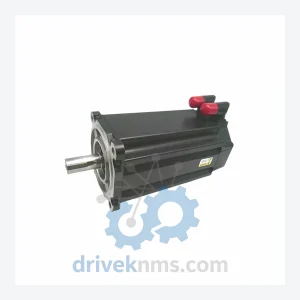
Allen-Bradley MPL-B540K-MJ74AA is listed for Servo Drives RFQ review. Confirm quantity, condition and destination before quotation.
Allen-Bradley 1756-L85E is listed for ControlLogix RFQ review. Confirm quantity, condition and destination before quotation.