
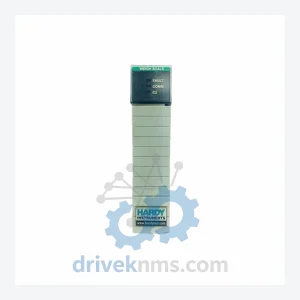
HARDY 1756-2WS Weigh Scale Module ControlLogix-Compatible Weighing I/O for Industrial Process Control
Hardy 1756-2WS is listed for ControlLogix RFQ review. Confirm quantity, condition and destination before quotation.
RFQ-ready industrial model
Model: 1756-PSCA2
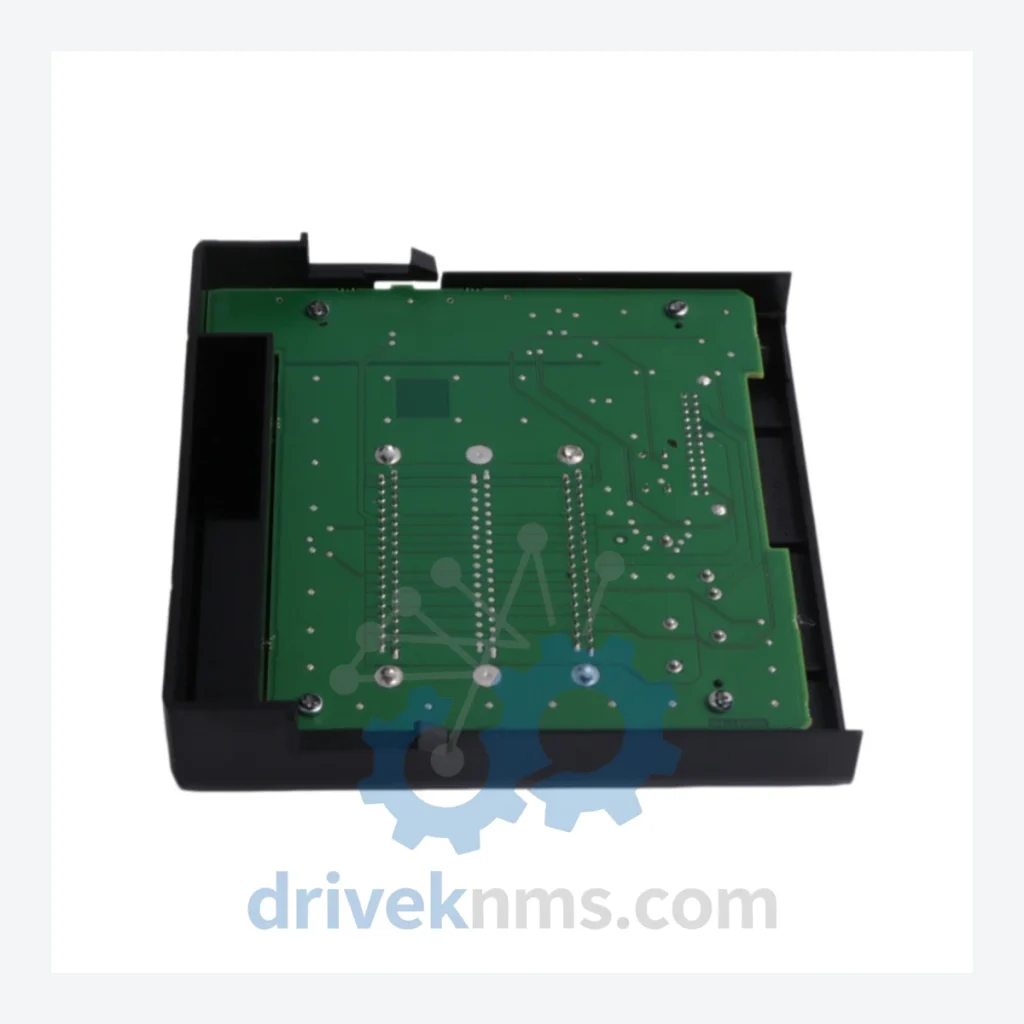
Product Overview
Commercial availability is handled through direct RFQ, model verification and export-oriented follow-up rather than public cart checkout.
Datasheet Preview
Use attached product manuals when available. If the manual is not public yet, request the full file directly through RFQ.
Commercial Path
Product pages on DRIVEKNMS are designed to verify model, brand and series first, then move the buyer into one clean quotation path.
Technical Dossier
The Allen-Bradley 1756 ControlLogix platform, developed by Rockwell Automation, is one of the most widely deployed programmable automation controller (PAC) architectures in global heavy industry. Installed across petrochemical complexes, nuclear power stations, offshore oil platforms, pulp and paper mills, and continuous-process refineries, the 1756 chassis-based system provides deterministic control, high-availability redundancy, and a modular I/O architecture that has made it the reference standard for safety-critical and process-critical applications since its commercial introduction in 1997.
The 1756 platform has undergone four distinct architectural generations since 1997, each maintaining backward chassis compatibility while expanding processing capacity, network capability, and safety certification scope.
Generation 1 (1997–2003): The original 1756-L1 and 1756-L20 processors established the chassis-and-backplane model. Communication was primarily via 1756-DHRIO (Data Highway Plus / Remote I/O) and 1756-CNB (ControlNet Bridge) modules. I/O density was limited to 16-point discrete modules.
Generation 2 (2003–2010): Introduction of the Logix5563 and Logix5573 processors (1756-L63, 1756-L73) with expanded memory and EtherNet/IP as a primary network. The 1756-ENBT and 1756-EN2T modules became the standard Ethernet bridge. High-density 32-point I/O modules were introduced.
Generation 3 (2010–2018): The L7x processor family (1756-L71 through 1756-L85E) introduced integrated EtherNet/IP ports, eliminating the need for a separate Ethernet bridge in many topologies. The 1756-EN2TR added Device Level Ring (DLR) support for fault-tolerant ring networks. SIL 2 safety certification via GuardLogix (1756-L71S, 1756-L73S) became standard.
Generation 4 / Current (2018–present): The V32 and V33 firmware controllers (1756-L81E through 1756-L85E) support Logix Designer Application v32+, Ethernet-based redundancy without a dedicated 1756-SYNCH module, and CIP Security for encrypted controller communications. Legacy modules from Generations 1 and 2 are now classified as End of Life (EOL) or End of Sale (EOS) by Rockwell Automation, creating critical demand for aftermarket sourcing.
Controllers (CPU Modules)
Communication & Adapter Modules
Discrete I/O Modules
Analog I/O Modules
Power Supply Modules
For facilities requiring long-term lifecycle support agreements covering the 1756 platform, DriveKNMS offers scheduled inventory reservation, priority dispatch SLAs, and technical consultation on migration pathways to current-generation Logix controllers.
The 1756 backplane operates at 5VDC with a proprietary high-speed serial bus. Modules with degraded backplane connectors, corrupted firmware, or failed ASIC components will not enumerate correctly on the chassis and may cause rack-wide faults. DriveKNMS applies a structured test protocol to all 1756 modules prior to shipment:
Continue The Model Path
Move from this exact model into the matching system hub, brand archive, model-family archive or lifecycle sourcing route before sending a final RFQ list.
Related Paths
Hardy 1756-2WS is listed for ControlLogix RFQ review. Confirm quantity, condition and destination before quotation.
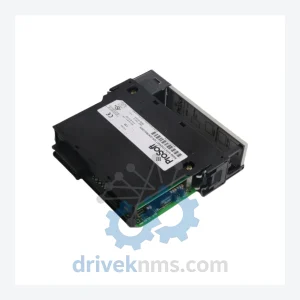
ProSoft Technology MVI56-GEC is listed for ControlLogix RFQ review. Confirm quantity, condition and destination before quotation.
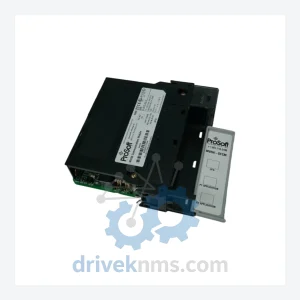
ProSoft Technology MVI56-DFCM is listed for ControlLogix RFQ review. Confirm quantity, condition and destination before quotation.