
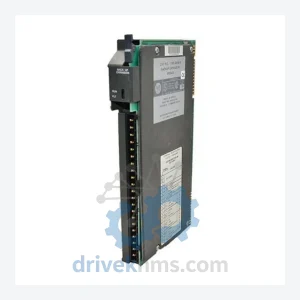
Allen-Bradley 1785-BEM Backup Communications Expansion Module – PLC-5 Series
Allen-Bradley 1785-BEM is listed for PLC-5 RFQ review. Confirm quantity, condition and destination before quotation.
RFQ-ready industrial model
Model: 1785-ENET/B 1785-ENET
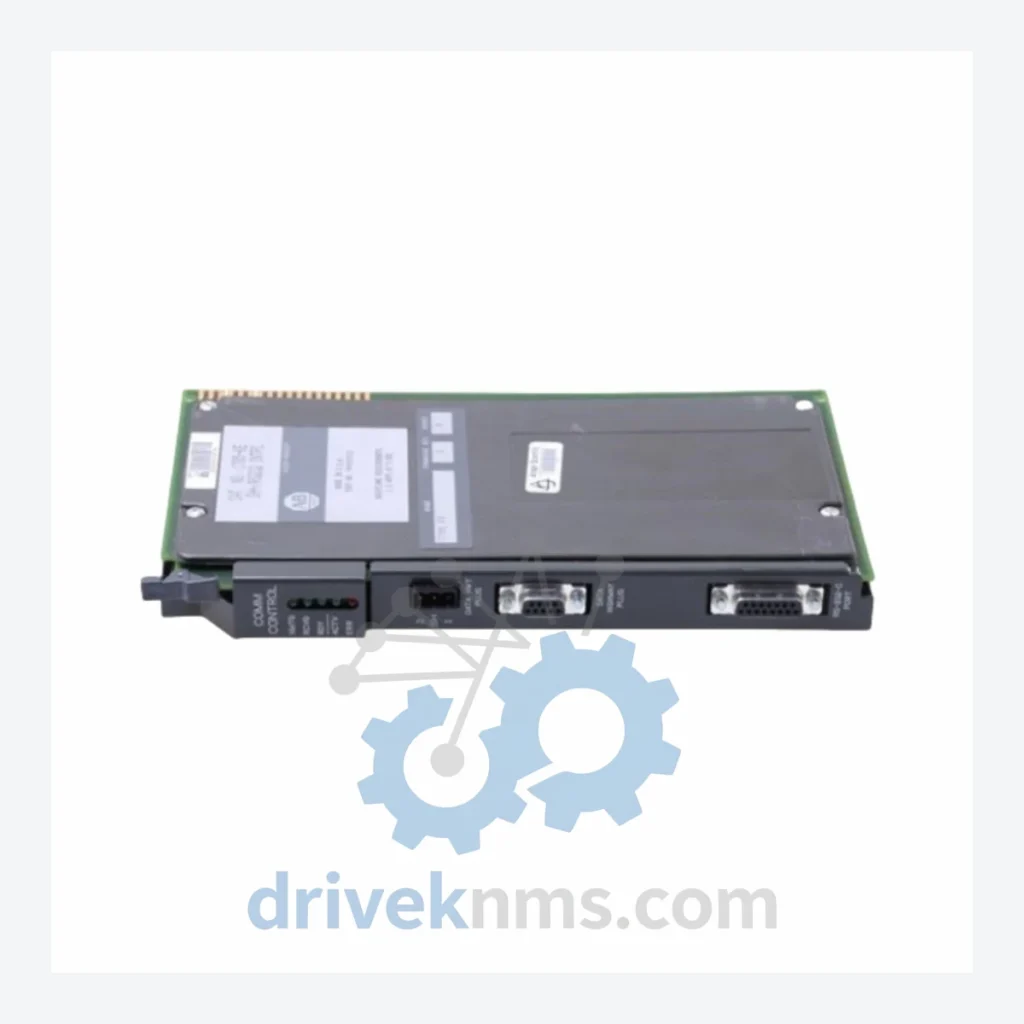
Product Overview
Commercial availability is handled through direct RFQ, model verification and export-oriented follow-up rather than public cart checkout.
Datasheet Preview
Use attached product manuals when available. If the manual is not public yet, request the full file directly through RFQ.
Commercial Path
Product pages on DRIVEKNMS are designed to verify model, brand and series first, then move the buyer into one clean quotation path.
Technical Dossier
RFQ support for obsolete parts: Send the model number, required quantity and destination so DriveKNMS can confirm sourcing options before quotation.
Note: Electrical parameters not independently verified by DriveKNMS are intentionally omitted. All specifications above are sourced from Rockwell Automation's archived product documentation.
The Allen-Bradley PLC-5 platform was the dominant programmable controller in North American heavy industry from the 1980s through the early 2000s. Thousands of facilities — in automotive, oil & gas, water treatment, food processing, and mining — built their automation infrastructure around it. Rockwell Automation officially discontinued the PLC-5 line, but the installed base did not disappear. These systems continue to run production-critical processes, and the 1785-ENET/B remains the only native Ethernet interface for the platform.
There is no firmware-compatible substitute. A ControlLogix gateway can bridge communication in some architectures, but it introduces latency, requires engineering configuration, and does not replicate the direct backplane integration of the 1785-ENET/B. For facilities running SCADA systems, MES layers, or historian software that communicate directly with PLC-5 processors over Ethernet/IP, the 1785-ENET/B is a single point of failure with no low-cost workaround.
Plant managers facing pressure to retire PLC-5 systems often have more options than their automation vendors suggest. A structured spare parts strategy — not a full platform migration — is frequently the correct financial decision when the underlying process logic is stable and the hardware is mechanically sound.
The following approach has been used by facilities to defer migration costs by a decade or more:
1. Audit your single points of failure. Identify every module in your PLC-5 rack that has no on-site spare. Communication modules like the 1785-ENET/B, processor modules, and power supplies are the highest-risk items. A single failure in any of these stops the entire controller.
4. Maintain firmware version records. PLC-5 systems are sensitive to firmware mismatches between the processor and communication modules. Before installing any replacement module, confirm the firmware revision is compatible with your existing processor firmware. DriveKNMS verifies firmware revisions as part of its QA process.
5. Document your system configuration. A complete backup of your PLC-5 program, I/O configuration, and network addressing is the lowest-cost insurance available. If a module is replaced, a documented configuration eliminates guesswork and reduces recommissioning time from days to hours.
This approach does not require capital expenditure approval. It requires procurement authority and a supplier relationship. For facilities where a migration project would require 18–36 months of engineering and validation, a spare parts strategy is the only realistic near-term option.
Discontinued modules sourced from the secondary market carry inherent risk. DriveKNMS applies a 5-step inspection protocol to every 1785-ENET/B unit before it is offered for sale:
Step 1 – Visual Inspection: Full board examination for physical damage, pin corrosion, solder joint integrity, and connector wear. Modules with corroded backplane pins or damaged edge connectors are rejected at this stage.
Step 2 – Electrolytic Capacitor Assessment: Electrolytic capacitors are the primary age-related failure point in modules of this era. Each capacitor is inspected for visible swelling, electrolyte leakage, and measured for capacitance deviation. Units with degraded capacitors are flagged for component-level refurbishment before sale.
Q: How are RFQ terms confirmed?
A: Quantity, required condition, documentation needs, destination and sourcing route are confirmed during RFQ review before quotation.
Step 4 – Functional Power-On Test: The module is powered and tested for correct initialization and communication response. Modules that fail to initialize correctly are removed from inventory.
Step 5 – Final Documentation: Each unit is assigned a condition grade (New Surplus, Refurbished, or Tested Used) and shipped with a condition report. The grade and any findings from the inspection process are disclosed to the buyer before purchase.
The 1785-ENET/B installs directly into the PLC-5 backplane and is recognized by the processor without configuration changes, provided the replacement unit carries a compatible firmware revision. There is no requirement to modify the existing ladder logic program, alter I/O mapping, or engage a controls engineer for recommissioning in standard replacement scenarios.
This drop-in replacement characteristic is the primary financial argument for maintaining spare inventory rather than pursuing a platform migration. A migration requires engineering design, hardware procurement, panel modification, software rewrite, and production validation — a process measured in months and hundreds of thousands of dollars. A spare 1785-ENET/B, installed by a maintenance technician, restores production in hours.
For facilities operating multiple PLC-5 systems across a plant or across multiple sites, a centralized spare parts pool covering the 1785-ENET/B and other high-risk modules provides system-wide protection at a cost that is orders of magnitude below the migration alternative.
Q: How do I know the unit is genuine and not counterfeit?
A: All units are inspected for label authenticity, board markings, and component consistency with known-genuine examples. DriveKNMS does not sell modules that fail authenticity checks. Condition and inspection findings are disclosed before purchase.
Q: Can you support multi-unit or repeat RFQ requests?
A: Yes. Send the model list, target quantity and destination so DRIVEKNMS can review sourcing options and quote the requirement as a project RFQ.
Q: Will this module work with my specific PLC-5 processor revision?
A: Compatibility depends on firmware revision alignment between the 1785-ENET/B and your processor. DriveKNMS will provide the firmware revision of the specific unit prior to shipment. If you provide your processor's firmware revision, we can confirm compatibility before you commit to the purchase.
Continue The Model Path
Move from this exact model into the matching system hub, brand archive, model-family archive or lifecycle sourcing route before sending a final RFQ list.
Related Paths
Allen-Bradley 1785-BEM is listed for PLC-5 RFQ review. Confirm quantity, condition and destination before quotation.
Allen-Bradley 1771-DMC is listed for PLC-5 RFQ review. Confirm quantity, condition and destination before quotation.
Allen-Bradley 1771-OM is listed for PLC-5 RFQ review. Confirm quantity, condition and destination before quotation.