
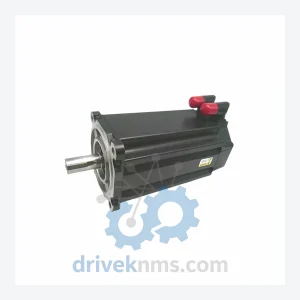
Allen-Bradley MPL-B540K-MJ74AA Servo Motor – Obsolete MPL Series Spare Part
Allen-Bradley MPL-B540K-MJ74AA is listed for Servo Drives RFQ review. Confirm quantity, condition and destination before quotation.
RFQ-ready industrial model
Model: 802-5793C N-2304-1-K00AA SEC-Z100 SEC-Z313M 90LB/2 P
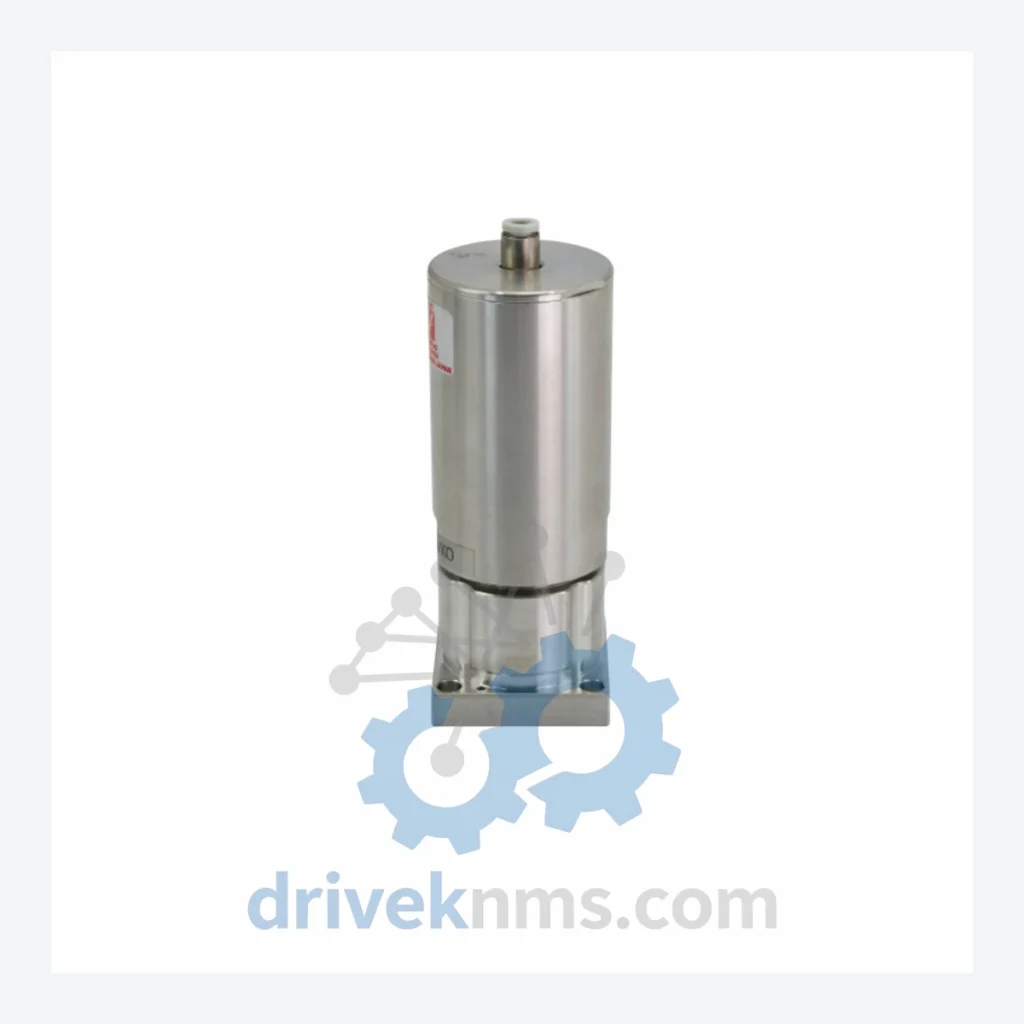
Product Overview
Commercial availability is handled through direct RFQ, model verification and export-oriented follow-up rather than public cart checkout.
Datasheet Preview
Use attached product manuals when available. If the manual is not public yet, request the full file directly through RFQ.
Commercial Path
Product pages on DRIVEKNMS are designed to verify model, brand and series first, then move the buyer into one clean quotation path.
Technical Dossier
RFQ support for obsolete parts: Send the model number, required quantity and destination so DriveKNMS can confirm sourcing options before quotation.
| Parameter | Detail |
|---|---|
| Manufacturer | Allen-Bradley (Rockwell Automation) |
| Part Number | 802-5793C |
| Catalog / Config Code | N-2304-1-K00AA / SEC-Z100 / SEC-Z313M |
| Product Type | Servo Motor with Linear Actuator |
| Series | 802 Series (Legacy Motion Control) |
| Load Rating | 90 LB / 2 P |
| Country of Origin | United States |
| Lifecycle Status | Discontinued / Obsolete – No longer manufactured by Rockwell Automation |
| Compatible Legacy Systems | Allen-Bradley PLC-5, SLC 500, legacy Rockwell motion control platforms |
Note: Electrical parameters (voltage, current rating, encoder resolution) are not published here to prevent specification errors. Contact us directly for verified datasheet confirmation before ordering.
The Allen-Bradley 802 Series servo motor and linear actuator assemblies were engineered for precision positioning tasks in industrial automation lines built during the 1990s and early 2000s. These assemblies are mechanically and electrically integrated into machine frames that were designed around their exact form factor, connector pinout, and feedback interface. There is no modern drop-in equivalent that does not require mechanical re-mounting, wiring modification, or motion controller re-parameterization.
Facilities running PLC-5 or SLC 500 controlled lines face a compounding problem: the motion controller, the servo drive, and the motor assembly are all end-of-life. Replacing one component in isolation is often impossible without replacing the entire motion axis — and replacing the motion axis means replacing the controller, the HMI, and the safety interlocks. The 802-5793C is not just a motor. It is the mechanical anchor of an entire control architecture. Sourcing a verified spare from DriveKNMS is the only path that does not trigger a cascade of downstream engineering changes.
The economic case for maintaining legacy automation assets is straightforward when the numbers are examined honestly. A servo motor replacement sourced from the secondary market costs a fraction of one percent of a full line upgrade. The engineering and validation time for a like-for-like swap is measured in hours, not months. The following strategy has been applied successfully by maintenance teams managing aging Allen-Bradley motion control infrastructure:
1. Identify single points of failure. Map every servo axis on the line. Flag any axis where the motor or actuator assembly is the last known spare. These are your critical exposure points. The 802-5793C and similar assemblies should be treated as insurance assets, not consumables.
4. Document configuration data now. For servo systems, the drive parameters, encoder offset values, and tuning data stored in the controller are as critical as the hardware itself. If this data is lost during a failure event, commissioning a replacement assembly becomes a multi-day engineering exercise. Back up all motion configuration data to offline storage today.
Obsolete servo motor assemblies sourced from the secondary market carry inherent risk if the inspection process is inadequate. DriveKNMS applies a 5-step quality assurance protocol to every unit before it leaves our facility:
Step 1 – Electrolytic Capacitor Assessment: Capacitors in servo drive and motor assemblies degrade over time regardless of usage. Each unit is inspected for capacitor bulging, leakage, and ESR deviation. Units with degraded capacitors are either reconditioned with verified replacement components or rejected.
Step 2 – Firmware and Configuration Verification: Where applicable, embedded firmware versions are confirmed against the original factory specification. Units with corrupted or mismatched firmware are not shipped.
Step 3 – Connector and Pin Inspection: All connector housings, pins, and mating surfaces are inspected under magnification for corrosion, fretting, and mechanical damage. Corroded pins are the leading cause of intermittent faults in legacy servo systems.
Step 4 – Mechanical Integrity Check: Linear actuator travel, bearing condition, and shaft runout are verified. Any unit with mechanical wear beyond acceptable tolerance is rejected.
Step 5 – Functional Test: Where test equipment is available for the specific assembly, units are powered and functionally verified before dispatch review. Test results are documented and available on request.
The 802-5793C is a direct mechanical and electrical replacement for the original factory-installed assembly. Installation does not require motion controller re-parameterization, wiring harness modification, or mechanical re-mounting — provided the receiving machine is in its original configuration. This drop-in replacement characteristic is the primary reason plant maintenance teams seek out verified original-specification spares rather than attempting cross-brand substitutions.
Avoiding engineering re-work is not a minor consideration. A motion axis re-commissioning event on a legacy Allen-Bradley system, including drive parameter re-entry, encoder offset calibration, and production validation, typically consumes 8 to 24 hours of skilled engineering time. At current industrial engineering labor rates, that cost alone can exceed the price of a verified spare assembly. The correct spare, installed correctly, eliminates that cost entirely.
Q: How do I know the unit is genuine and not counterfeit?
A: All units sourced by DriveKNMS are inspected for authenticity markers including manufacturer markings, date codes, and construction quality. We do not source from unverified channels. Documentation of unit provenance is available on request for critical applications.
Continue The Model Path
Move from this exact model into the matching system hub, brand archive, model-family archive or lifecycle sourcing route before sending a final RFQ list.
Related Paths
Allen-Bradley MPL-B540K-MJ74AA is listed for Servo Drives RFQ review. Confirm quantity, condition and destination before quotation.
Allen-Bradley 1756-L85E is listed for ControlLogix RFQ review. Confirm quantity, condition and destination before quotation.
Allen-Bradley 1394C-AM07 is listed for Servo Drives RFQ review. Confirm quantity, condition and destination before quotation.