
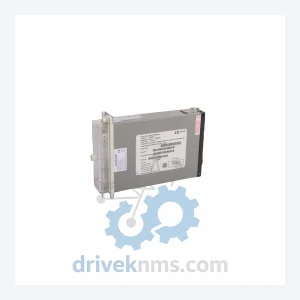
ALSTOM MVAJ105RA0802A Protection Relay – MiCOM Series
Alstom MVAJ105RA0802A is listed for MiCOM Series RFQ review. Confirm quantity, condition and destination before quotation.
RFQ-ready industrial model
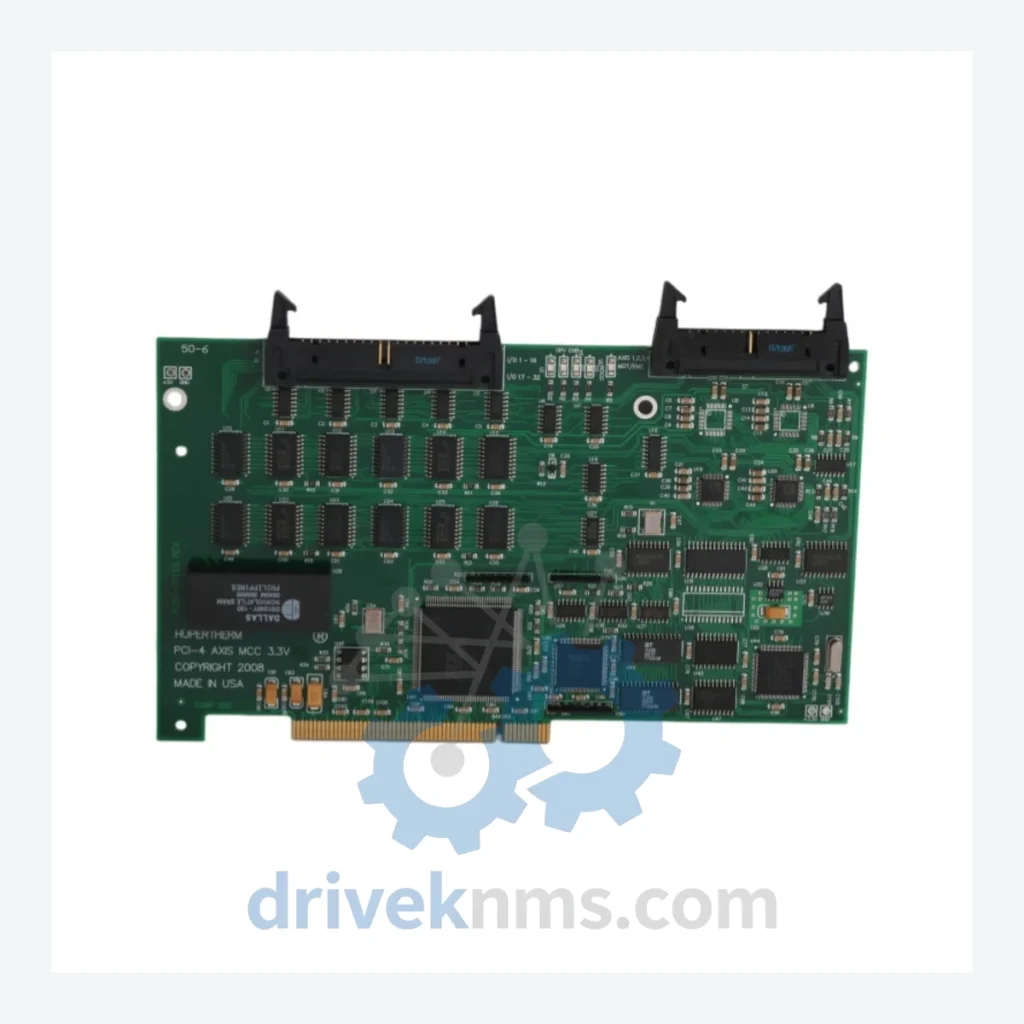
Model: PCI-4PACK 736-5-001
Product Overview
Commercial availability is handled through direct RFQ, model verification and export-oriented follow-up rather than public cart checkout.
Datasheet Preview
Use attached product manuals when available. If the manual is not public yet, request the full file directly through RFQ.
Commercial Path
Product pages on DRIVEKNMS are designed to verify model, brand and series first, then move the buyer into one clean quotation path.
Technical Dossier
RFQ support for obsolete parts: Send the model number, required quantity and destination so DriveKNMS can confirm sourcing options before quotation.
Note: Electrical parameters not independently verified by DriveKNMS. Buyers are advised to cross-reference the original ALPHI datasheet for precise electrical specifications prior to installation.
ALPHI Technology's PCI-4PACK series was widely deployed in industrial PC platforms requiring reliable multi-channel PCI bus expansion — particularly in environments where ruggedized, deterministic I/O performance was non-negotiable. These systems were built to last decades, and many remain in active service inside petrochemical plants, power generation facilities, semiconductor fabs, and defense-adjacent manufacturing lines.
For plant managers and reliability engineers operating under capital expenditure constraints, the calculus is not complicated. A single verified spare part, sourced and held in the maintenance storeroom, can extend the operational life of an entire control node by five to ten years. The cost of that spare is measured in thousands. The cost of the alternative is measured in millions — and that figure does not include the production revenue lost during the transition period.
DriveKNMS operates specifically within this gap. We source, inspect, and supply discontinued industrial components to facilities that have made the deliberate decision to protect their existing automation assets rather than replace them prematurely.
Every PCI-4PACK 736-5-001 unit that leaves our facility has passed a structured five-stage inspection protocol developed for legacy PCB-based hardware:
Stage 1 – Visual and Mechanical Inspection: Full board examination for physical damage, cracked solder joints, delamination, and connector integrity. Any unit with compromised mechanical condition is rejected at this stage.
Stage 2 – Electrolytic Capacitor Assessment: Aging electrolytic capacitors are the primary failure mode in legacy PCI hardware. Each board is inspected for capacitor bulging, electrolyte leakage, and ESR deviation. Suspect capacitors are flagged and, where applicable, replaced with equivalent-specification components.
Stage 3 – Firmware and Revision Verification: Where accessible, firmware revision markings and EEPROM identifiers are documented and cross-referenced against known-good revision records. This step ensures the unit delivered matches the hardware revision expected by the host system.
Stage 4 – Pin and Connector Corrosion Check: PCI edge connectors and any auxiliary I/O pins are inspected under magnification for oxidation and corrosion. Affected contacts are treated with appropriate contact cleaning agents. Units with irreversible connector damage are not offered for sale.
The PCI-4PACK 736-5-001 is a direct hardware replacement for the original ALPHI module. There is no firmware migration, no driver rewrite, and no re-engineering of the host system required. The replacement drops into the existing PCI slot and the host system recognizes it as the original hardware — because it is the original hardware.
For facilities that have standardized on a specific hardware revision, we can document the revision of each unit prior to shipment, allowing maintenance planners to confirm compatibility before the part arrives on site.
Can you source additional units if I need more than what is currently listed?
Contact us directly. We maintain sourcing relationships across multiple secondary-market channels and can initiate a search for additional quantity. Response time for sourcing inquiries is typically within one business day.
Continue The Model Path
Move from this exact model into the matching system hub, brand archive, model-family archive or lifecycle sourcing route before sending a final RFQ list.
Related Paths
Alstom MVAJ105RA0802A is listed for MiCOM Series RFQ review. Confirm quantity, condition and destination before quotation.
Moore 16137-174 is listed for Servo Drives RFQ review. Confirm quantity, condition and destination before quotation.
Fuji Electric EP-3364B-CA-Z2 is listed for FRENIC Series RFQ review. Confirm quantity, condition and destination before quotation.