
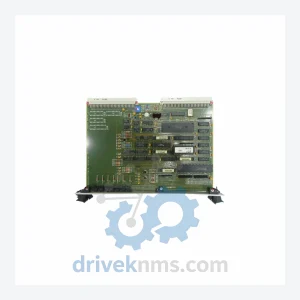
Applied Materials GMSV36 Modules – GMSV36-01-D 91/096D/E PC Board
Applied Materials GMSV36-01-D 91/096D/E is listed for Monitoring Systems RFQ review. Confirm quantity, condition and destination before quotation.
RFQ-ready industrial model
Model: 0010-17633 ONH710 RCP2W-RA4C-I-42P-5-50-P1-R05-SG ESA-Y3008T23-21
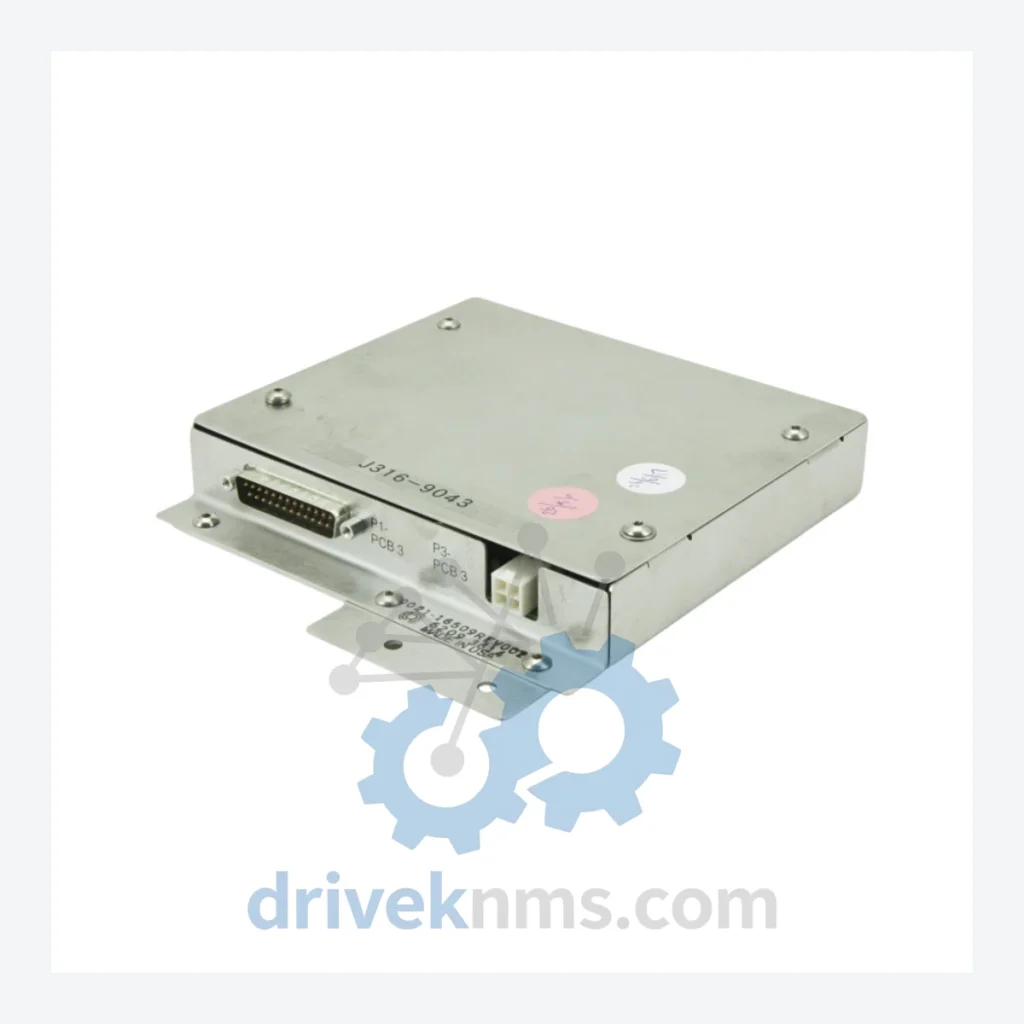
Product Overview
Commercial availability is handled through direct RFQ, model verification and export-oriented follow-up rather than public cart checkout.
Datasheet Preview
Use attached product manuals when available. If the manual is not public yet, request the full file directly through RFQ.
Commercial Path
Product pages on DRIVEKNMS are designed to verify model, brand and series first, then move the buyer into one clean quotation path.
Technical Dossier
DriveKNMS maintains RFQ-reviewed sourcing status of this module. For process engineers and maintenance managers who need to keep aging but productive tools running, this is a direct path to avoiding forced capital expenditure.
RFQ support for obsolete parts: Send the model number, required quantity and destination so DriveKNMS can confirm sourcing options before quotation.
| Field | Detail |
|---|---|
| Manufacturer | Applied Materials |
| Part Number | 0010-17633 |
| Assembly Reference | ONH710 / RCP2W-RA4C-I-42P-5-50-P1-R05-SG / ESA-Y3008T23-21 |
| Function | Motor Torque Monitoring Module |
| Country of Origin | United States |
| OEM Support Status | Discontinued – No longer available through Applied Materials standard supply chain |
| Compatible Platform | Applied Materials legacy process equipment utilizing ONH710 motor control architecture |
| Condition Available | New (sealed) / Refurbished (tested, certified) |
Note: Electrical parameters for this assembly are not published in open documentation. DriveKNMS does not fabricate specifications. All technical data provided upon request is sourced from original hardware documentation or direct measurement on tested units.
The ONH710 motor torque monitoring assembly sits at the intersection of motion control and process integrity. In Applied Materials systems where this module is installed, it provides closed-loop feedback that protects mechanical drive components from overload conditions — a function that cannot simply be bypassed or emulated with a generic substitute without triggering a full process requalification.
Fabs that have attempted to source equivalent functionality through third-party motor control boards have consistently encountered the same outcome: the replacement does not match the original signal conditioning characteristics, the process window shifts, and engineering resources are consumed over weeks or months attempting to requalify a process that was previously stable. The cost of that requalification — in engineering hours, lost wafer starts, and schedule disruption — routinely exceeds the cost of sourcing the original part by an order of magnitude.
The strategic case for maintaining a spare inventory of 0010-17633 modules is straightforward: the tool's productive life can be extended by 5 to 10 years at a fraction of the cost of replacement capital. For a chamber that is fully depreciated and producing at known yield, the economics of spare part investment versus tool replacement are not close. The only variable is whether the spare part can be sourced — and that is where availability from distributors like DriveKNMS becomes operationally critical.
Applied Materials legacy platforms of this generation are commonly found in fabs that have chosen to retain older nodes for mature product lines, MEMS, power devices, or compound semiconductor applications where the process is stable and the capital cost of re-platforming is not justified by the product roadmap. These tools will continue to run as long as the maintenance supply chain holds.
DriveKNMS applies a structured 5-step qualification process to all refurbished units of this assembly before they are offered for sale:
Q: How are RFQ terms confirmed?
A: Quantity, required condition, documentation needs, destination and sourcing route are confirmed during RFQ review before quotation.
Step 2 – Firmware Version Verification: Where firmware is embedded in the assembly, the version is documented and cross-referenced against known compatible revisions for the target platform. Units with unknown or mismatched firmware versions are flagged and handled separately.
Step 3 – Connector and Pin Inspection: All edge connectors, board-to-board connectors, and signal pins are inspected under magnification for oxidation, corrosion, mechanical damage, and fretting wear. Affected contacts are cleaned or the connector assembly is replaced.
Step 4 – Functional Bench Test: The module is powered and exercised through its operating range on a test fixture that replicates the original system interface. Torque signal output, fault detection response, and communication integrity are verified.
Step 5 – Documentation and Traceability: Each unit ships with a test record documenting the inspection findings, any components replaced, firmware version confirmed, and the technician sign-off. This record supports your incoming inspection and maintenance log requirements.
The 0010-17633 module is a direct drop-in replacement for the original assembly. No hardware modifications to the host system are required. No firmware changes to the controller are required. No process requalification is triggered by a like-for-like module swap under standard change control procedures at most facilities.
Continue The Model Path
Move from this exact model into the matching system hub, brand archive, model-family archive or lifecycle sourcing route before sending a final RFQ list.
Related Paths
Applied Materials GMSV36-01-D 91/096D/E is listed for Monitoring Systems RFQ review. Confirm quantity, condition and destination before quotation.
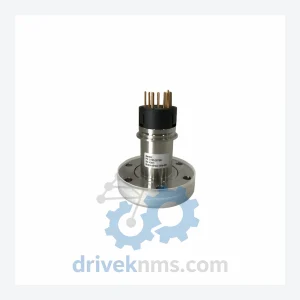
Applied Materials 0190-26769 is listed for Monitoring Systems RFQ review. Confirm quantity, condition and destination before quotation.
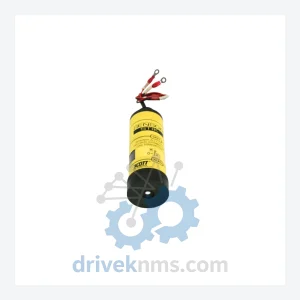
Applied Materials 0240-49417 is listed for Monitoring Systems RFQ review. Confirm quantity, condition and destination before quotation.