
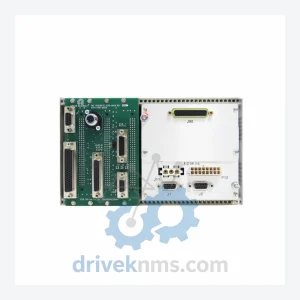
Applied Materials TXZ 0100-01629 GF125C-102895 MFC PCB Assembly – Obsolete GF125C Series Spare Part
Applied Materials TXZ 0100-01629 GF125C-102895 MFC PCB Assembly – Obsolete GF125C Series Spare Part When a Mass Flow Controller PCB…
Model: 0100-20037 AP3550SM DVD27 FV4 FV4 FV4 ET 5641A1412SSE38
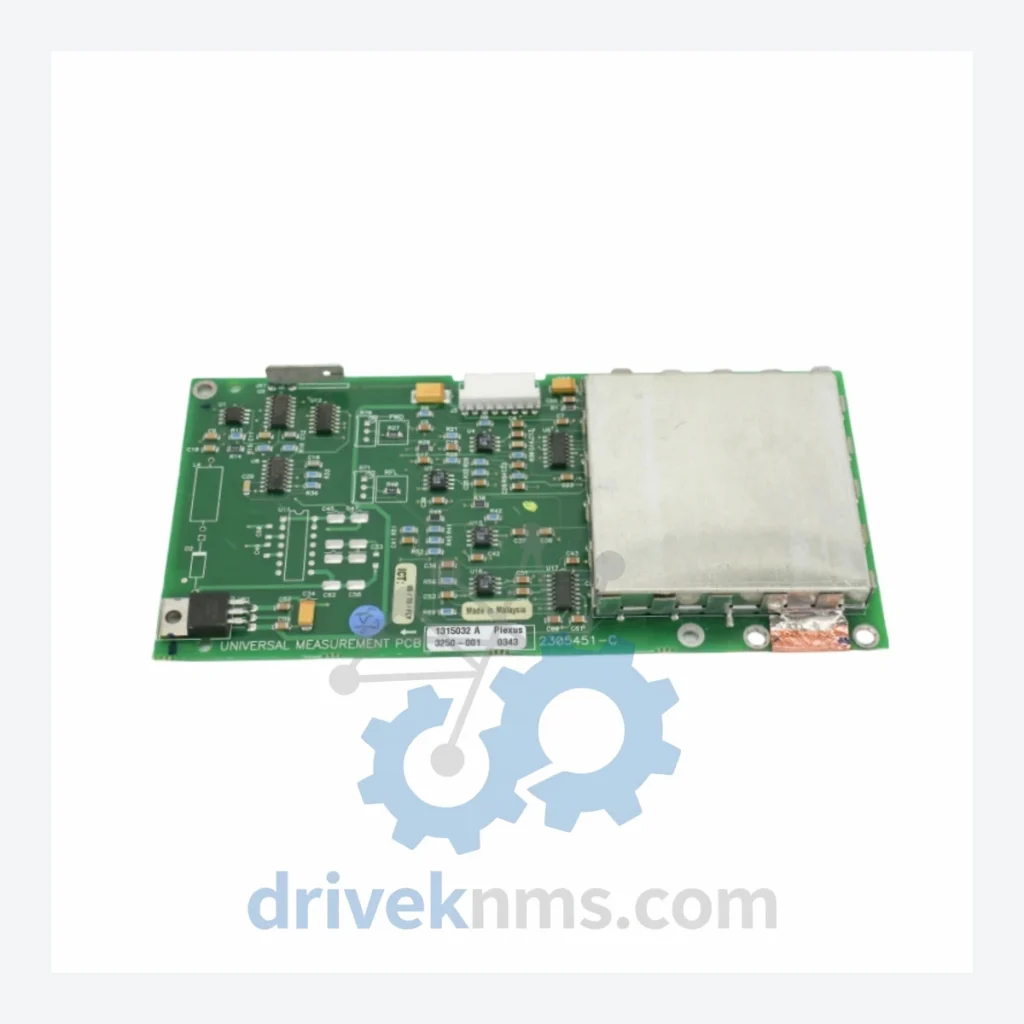
Product Overview
Commercial availability is handled through direct RFQ, model verification and export-oriented follow-up rather than public cart checkout.
Datasheet Preview
Use attached product manuals when available. If the manual is not public yet, request the full file directly through RFQ.
Commercial Path
Product pages on DRIVEKNMS are designed to verify model, brand and series first, then move the buyer into one clean quotation path.
Technical Dossier
When a PCB assembly like the 0100-20037 fails inside an Applied Materials AP3550SM-based system, the consequences extend far beyond a single module replacement. Semiconductor fabrication facilities running legacy AMAT platforms face a stark choice: locate the original spare part, or commit to a full system retirement and process re-qualification that routinely costs millions of dollars in downtime, engineering labor, and new capital expenditure. DriveKNMS maintains sourced inventory of this discontinued assembly specifically to protect facilities from that forced decision. Securing a verified spare now is not a procurement exercise — it is an asset protection measure.
| Parameter | Detail |
|---|---|
| Part Number | 0100-20037 |
| Description | PCB Assembly (PCB ASSY) |
| Platform | Applied Materials AP3550SM |
| Sub-Assembly References | DVD27 / FV4 / FV4 / FV4 / ET / 5641A1412SSE38 |
| Manufacturer | Applied Materials (AMAT) |
| Country of Origin | United States |
| Discontinuation Status | Obsolete – No longer in active production by OEM |
| Compatible Systems | Applied Materials AP3550SM platform; legacy CVD/Etch process chambers |
Note: Electrical parameters specific to this assembly are not published here to prevent misapplication. Contact our technical team for verified specification confirmation prior to installation.
The Applied Materials AP3550SM platform served as a workhorse in semiconductor process equipment for years. Facilities that built their process flows around these systems now face a supply chain reality the OEM no longer supports: the 0100-20037 PCB assembly is out of production, and authorized distribution channels have been exhausted.
The cost of ignoring this gap is not theoretical. A single unplanned tool outage in a fab environment can generate losses measured in wafers per hour — figures that quickly reach six or seven digits depending on process node and product mix. The engineering cost of qualifying a replacement tool, rewriting process recipes, and re-certifying output adds months to any transition timeline.
Facilities that have extended the operational life of their AMAT AP3550SM equipment by 5 to 10 years beyond OEM support windows share a common strategy: they identified critical single-point-of-failure assemblies — boards like the 0100-20037 — and secured verified spares before the market dried up. That window is narrowing. Each year, fewer units surface through secondary market channels, and the ones that do carry increasing price premiums and authenticity risk.
DriveKNMS operates specifically within this secondary market, applying sourcing discipline and technical verification to ensure that what reaches your facility is a usable, reliable spare — not a counterfeit or a field-pulled board with undisclosed damage history.
How to extend your AMAT AP3550SM asset life by 5–10 years at low cost:
Sourcing an obsolete PCB assembly from the secondary market carries inherent risk. DriveKNMS applies a structured 5-step verification process to every unit before it leaves our facility:
Q: What warranty applies to an obsolete part like the 0100-20037?
A: DriveKNMS provides a 90-day warranty against defects identified under normal operating conditions. Given the obsolete status of this assembly, we recommend treating the warranty period as a functional burn-in window and securing a second spare for long-term coverage.
Q: How do I know the unit is new or quality-refurbished, not a damaged field pull?
A: Every unit is processed through our 5-step QA protocol described above. Condition grade (new surplus, refurbished, or tested used) is disclosed in writing prior to order confirmation. We do not ship units that fail our inspection criteria.
Q: Should I buy more than one unit?
A: For facilities running multiple AP3550SM tools, or for tools in continuous high-utilization production, holding two units is the standard recommendation. Secondary market availability for this part number is not guaranteed to persist. Once current stock is exhausted, lead times for sourcing additional units can extend to 6–18 months with no price certainty.
Q: Can you verify compatibility with my specific tool configuration before I order?
A: Yes. Provide your tool serial number and current board revision, and our technical team will confirm compatibility before you commit to a purchase.
© 2026 DriveKNMS. All trademarks belong to their respective owners. Specifications are for reference only and subject to change without notice. Verify all parameters against official documentation before installation.
Related Paths
Applied Materials TXZ 0100-01629 GF125C-102895 MFC PCB Assembly – Obsolete GF125C Series Spare Part When a Mass Flow Controller PCB…
Applied Materials PROD 0100-01363 E249-000002-12 UF7840-2-TE2 16-287677-00 Signal Conditioning Board: Supply Continuity Strategy for Semiconductor Fab Procurement Teams The Applied…
Applied Materials 0040-47632 Housing EEP: Global Sourcing Strategy & Asset Return Value The Applied Materials part number 0040-47632 (cross-references: 0010-10663…