Technical Dossier
Product Details And Specifications
Applied Materials PVD 0021-22064 TDK PCB Load Port E4A TAS-MAIN 853-200977-001 – Obsolete Endura Spare Part
When the Load Port E4A TAS-MAIN control board on an Applied Materials Endura PVD system fails, the consequences extend far beyond a single module. The Endura platform is the backbone of physical vapor deposition processes in semiconductor fabs worldwide. A single unplanned downtime event on this tool can halt wafer production across an entire process node, with daily losses routinely measured in hundreds of thousands of dollars. Migrating away from a qualified Endura process to a newer platform requires re-qualification cycles that can consume 6–18 months and millions in engineering resources.
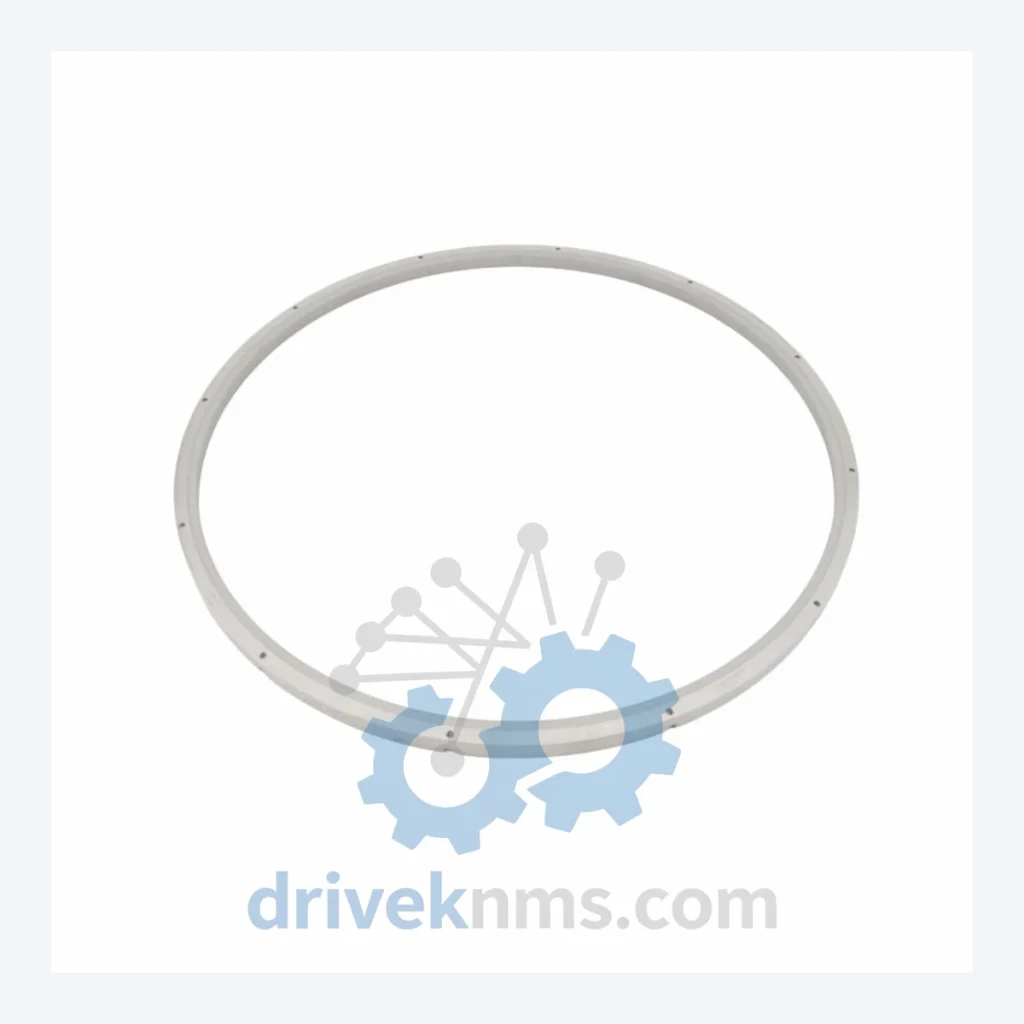
DriveKNMS holds verified stock of the Applied Materials PVD 0021-22064 TDK PCB Load Port E4A TAS-MAIN 853-200977-001 Cover Ring — a component that Applied Materials no longer manufactures through standard supply channels. Securing this part now is not a maintenance expense. It is asset protection for capital equipment that cost your facility tens of millions of dollars to qualify and install.
Technical Specifications
| Part Number | PVD 0021-22064 |
| Reference P/N | 853-200977-001 |
| Description | TDK PCB Load Port E4A TAS-MAIN Cover Ring |
| OEM | Applied Materials (AMAT) |
| Platform Compatibility | Applied Materials Endura PVD System |
| Component Type | Printed Circuit Board Assembly – Load Port Control |
| Country of Origin | United States |
| Discontinuation Status | No longer available through standard AMAT supply channels; classified as obsolete / end-of-life spare |
| Condition Available | New surplus / Refurbished (tested) |
Note: Electrical parameters specific to this PCB assembly are not published in open documentation. DriveKNMS does not fabricate or estimate specifications. Confirmed technical data is available upon request with supporting documentation.
Solving the Discontinued Hardware Crisis
The Applied Materials Endura PVD platform entered widespread deployment in the 1990s and 2000s and remains operational in a significant number of fabs running mature process nodes — 90nm, 130nm, 180nm, and legacy MEMS or power device lines. These tools were engineered for decades of service life, and many facilities have no economic justification to replace them. The capital cost of a new PVD cluster tool, combined with the process re-qualification burden, makes continued maintenance of existing Endura systems the rational choice for any fab not undergoing a full node migration.
The Load Port E4A TAS-MAIN board (PVD 0021-22064) governs the communication and sequencing logic between the load port assembly and the tool's central control architecture. When this board degrades or fails, the load port loses its ability to reliably hand off wafer cassettes to the transfer module. The result is either hard faults that halt the tool entirely, or — more dangerously — intermittent sequencing errors that introduce process variability before a full failure is detected.
Applied Materials ceased routine production of this assembly as the Endura platform aged out of its primary support window. Fabs that did not build strategic spare inventories during the tool's active support period now face a secondary market that is both thin and unverified. DriveKNMS specializes in sourcing, verifying, and supplying exactly these components — parts that OEM channels no longer carry but that operational fabs cannot function without.
How to Extend Your Endura PVD Asset Life by 5–10 Years: A Maintenance Strategy for Fab Management
For plant managers and equipment engineers facing pressure to retire aging PVD tools, the following framework provides a low-cost path to extending productive asset life without the risk and expense of platform replacement:
1. Conduct a Critical Spare Audit Now, Not After a Failure. Identify every PCB assembly, sensor module, and motion control component on your Endura system that is no longer available through AMAT's standard parts portal. The TAS-MAIN board (PVD 0021-22064) is a known gap. Map your exposure before a failure forces an emergency procurement at premium cost — or worse, an unplanned tool retirement.
2. Establish a Minimum Two-Unit Buffer for Single-Point-of-Failure Boards. Load port control boards are single-point-of-failure components. One unit in active use, one unit on the shelf. The cost of a verified spare is a fraction of one day of unplanned downtime on a production PVD tool.
3. Prioritize Electromechanical Components with Known Aging Failure Modes. Electrolytic capacitors on PCBs manufactured in the early 2000s are approaching or past their rated service life. Proactive board replacement — rather than reactive failure response — eliminates the risk of cascading damage to connected assemblies.
4. Document Firmware Versions Before Any Board Swap. Legacy Endura systems may have tool-specific firmware configurations. Before replacing any control board, record the current firmware revision and confirm compatibility with the replacement unit. DriveKNMS can assist with firmware version verification on request.
5. Negotiate Long-Term Supply Agreements for Identified Obsolete Parts. If your facility operates multiple Endura tools or plans to run them for more than three years, a forward purchase agreement for critical spares locks in availability and price before secondary market inventory is exhausted.
Condition & Reliability Assurance
Every obsolete PCB assembly supplied by DriveKNMS passes a structured 5-step quality process before shipment:
Step 1 – Visual and Physical Inspection: Full board inspection for mechanical damage, pin corrosion, solder joint integrity, and connector condition. Corroded or oxidized pins are documented and addressed before any functional testing proceeds.
Step 2 – Electrolytic Capacitor Assessment: Capacitors are the primary aging failure point on boards of this era. Each unit is evaluated for bulging, leakage, and ESR deviation. Boards with capacitors outside acceptable parameters are either recapped or rejected.
Step 3 – Firmware Version Verification: Where firmware is embedded in the assembly, the version is read and recorded. Customers receive documentation of the firmware state of the unit they receive.
Step 4 – Functional Bench Test: Units are powered and tested against known-good reference parameters where test fixtures are available. Test results are documented and available upon request.
Step 5 – ESD-Safe Packaging and Traceability: All boards are packaged in anti-static bags with desiccant, labeled with part number, serial reference, and QA pass date. Full traceability documentation accompanies each shipment.
Key Features for System Maintenance
Drop-in Replacement: The PVD 0021-22064 is a direct form-fit-function replacement for the original installed assembly. No hardware modification to the load port chassis is required.
No Reprogramming Required: The board operates within the existing Endura control architecture without requiring changes to the tool's recipe or sequence programming, provided firmware compatibility is confirmed prior to installation.
Avoids Costly Engineering Rework: Replacing this board with a verified spare eliminates the need to engage AMAT field service for a platform-level intervention. Facilities with qualified equipment engineers can execute the swap using standard maintenance procedures, avoiding both the cost and scheduling delay of OEM service calls.
Preserves Process Qualification: Maintaining the original hardware configuration means your existing process qualification data remains valid. There is no re-qualification trigger from a like-for-like board replacement, unlike a platform upgrade or tool replacement scenario.
FAQ
Q: What warranty applies to obsolete parts?
A: DriveKNMS provides a 90-day warranty covering functional defects on all tested and refurbished units. New surplus units carry a 180-day warranty. Warranty terms are confirmed in writing at the time of order.
Q: How do I know the unit is genuine and not counterfeit?
A: All units are sourced from documented supply chains — decommissioned fab equipment, authorized surplus dealers, and verified distributor stock. Physical markings, board revision codes, and component dates are cross-referenced against known-authentic references. Counterfeit screening is part of our standard intake process.
Q: Can I order multiple units for long-term inventory?
A: Yes. For facilities planning multi-year maintenance programs, DriveKNMS can discuss forward purchase arrangements. Given the scarcity of this part in the secondary market, early commitment to a multi-unit purchase is the most reliable way to secure supply at a predictable cost.
Q: What is the lead time?
A: In-stock units ship within 3–5 business days after order confirmation and payment. Lead time for sourced units varies; contact us for current availability status.
Q: Do you provide documentation with the part?
A: Yes. Each shipment includes a packing list, QA inspection record, and firmware version documentation where applicable. Certificate of conformance is available on request.
© 2026 DriveKNMS. All trademarks belong to their respective owners. Specifications are for reference only and subject to change without notice. Verify all parameters against official documentation before installation.