
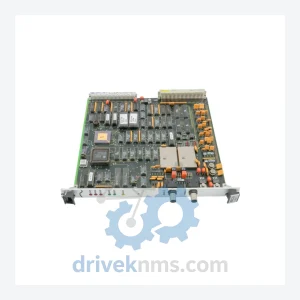
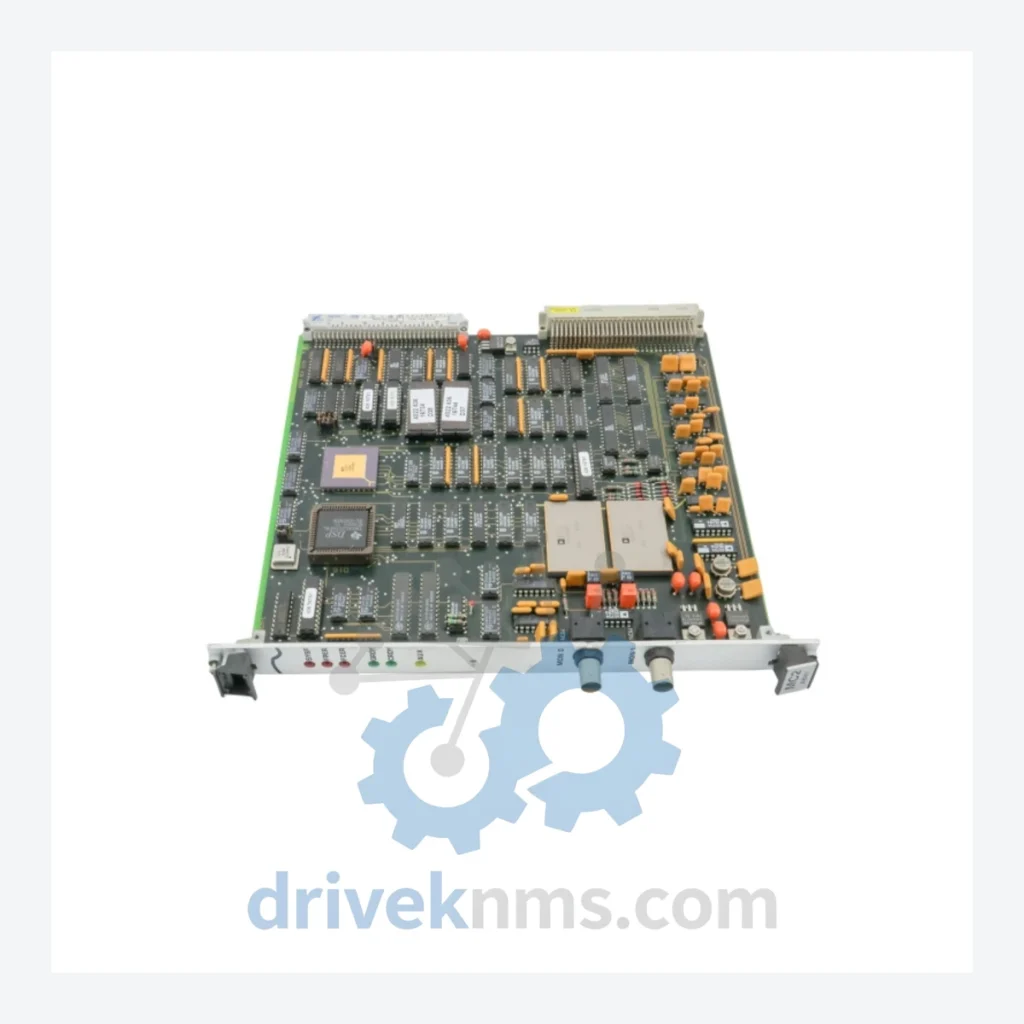
ASML MC2 AB41 4022.436.2693 PCB Board – Obsolete MC2 Series Spare Part
Asml MC2 AB41 4022.436.2693 is listed for MC2 Series RFQ review. Confirm quantity, condition and destination before quotation.
RFQ-ready industrial model
Model: OCTU/UC 4022.192.9463
Product Overview
Commercial availability is handled through direct RFQ, model verification and export-oriented follow-up rather than public cart checkout.
Datasheet Preview
Use attached product manuals when available. If the manual is not public yet, request the full file directly through RFQ.
Commercial Path
Product pages on DRIVEKNMS are designed to verify model, brand and series first, then move the buyer into one clean quotation path.
Technical Dossier
The ASML OCTU/UC series represents a family of printed circuit board assemblies and control modules deployed across high-precision semiconductor lithography systems and associated process control infrastructure. ASML (Advanced Semiconductor Materials Lithography), headquartered in Veldhoven, Netherlands, is the dominant global supplier of photolithography equipment used in semiconductor fabrication. The OCTU/UC sub-series designates On-Chip Test Unit / Universal Controller boards — embedded control and signal-processing assemblies that manage motion, alignment, laser, and environmental subsystems within ASML wafer scanners and steppers.
ASML's internal control board architecture has evolved across multiple scanner generations, from the PAS 5000/5500 stepper platforms through the TWINSCAN XT and NXT series, to the current EUV (Extreme Ultraviolet) NXE platforms. The OCTU/UC designation spans several hardware revisions, each tied to a specific scanner generation and software baseline:
The 4022.192.9463 part number falls within the TWINSCAN XT-era hardware revision range. Boards in this range are now in the mature-to-end-of-life phase of their product lifecycle. ASML no longer manufactures these assemblies as new production units; availability is exclusively through certified aftermarket suppliers and refurbishment channels.
The following SKUs represent verified part numbers within the ASML OCTU/UC and closely associated control board families. Each entry reflects a distinct functional role within the scanner control architecture:
OCTU/UC 4022.192.9463: PCB assembly, universal controller unit; primary subject of this listing — motion and alignment control interface board for TWINSCAN XT platforms.
OCTU/UC 4022.192.8741: PCB assembly, on-chip test unit; wafer stage position feedback processing board.
OCTU/UC 4022.192.7205: PCB assembly, signal conditioning module; analog input/output interface for laser power control subsystem.
OCTU/UC 4022.192.6318: PCB assembly, digital I/O controller; 64-channel discrete I/O management for pneumatic and vacuum actuator control.
OCTU/UC 4022.192.5490: PCB assembly, communication adapter; SERCOS III fieldbus interface for reticle stage drive coordination.
OCTU/UC 4022.192.4872: PCB assembly, CPU module; embedded processor board running ASML real-time control OS for exposure sequence management.
OCTU/UC 4022.192.3651: PCB assembly, power distribution board; regulated DC bus distribution for backplane-mounted control modules.
OCTU/UC 4022.192.2934: PCB assembly, environmental sensor interface; temperature, humidity, and vibration data acquisition for lens environment control.
OCTU/UC 4022.192.1807: PCB assembly, alignment sensor controller; TIS (Through-the-Lens Imaging Sensor) signal processing and calibration interface.
OCTU/UC 4022.193.0124: PCB assembly, illumination control unit; excimer laser pulse energy modulation and dose control interface.
OCTU/UC 4022.193.1456: PCB assembly, wafer handler interface; EFEM (Equipment Front End Module) communication and interlock management board.
OCTU/UC 4022.193.2783: PCB assembly, reticle library controller; reticle pod identification and transport sequencing interface.
OCTU/UC 4022.193.3901: PCB assembly, focus and leveling module; capacitive sensor signal processing for wafer surface topography mapping.
OCTU/UC 4022.193.5217: PCB assembly, metrology interface board; overlay and CD measurement data acquisition and transfer module.
OCTU/UC 4022.193.6548: PCB assembly, safety interlock controller; dual-channel safety relay logic for laser and high-voltage subsystem protection.
OCTU/UC 4022.193.7890: PCB assembly, network interface module; Gigabit Ethernet and EtherCAT gateway for fab host communication.
DriveKNMS sources OCTU/UC boards through the following channels: decommissioned scanner teardowns, certified refurbishment of pulled units, and cross-referencing with functionally equivalent board revisions where ASML engineering change orders (ECOs) permit substitution. All sourced units are cataloged by part number, revision level, and firmware version to ensure compatibility with the target scanner system configuration.
OCTU/UC PCB assemblies present specific test challenges due to their high-density SMD construction, FPGA-based logic, and proprietary ASML backplane interface protocols. DriveKNMS applies the following test procedures to all OCTU/UC units prior to dispatch:
Continue The Model Path
Move from this exact model into the matching system hub, brand archive, model-family archive or lifecycle sourcing route before sending a final RFQ list.
Related Paths
Asml MC2 AB41 4022.436.2693 is listed for MC2 Series RFQ review. Confirm quantity, condition and destination before quotation.
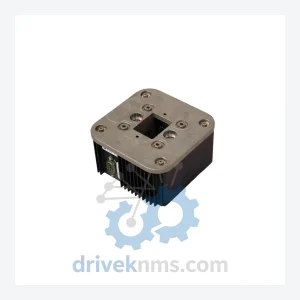
Asml 4022.436.1723 112052-8 HEATER TI-XZ 0200-36543 BLM-013468 is listed for Controller Cards RFQ review. Confirm quantity, condition and destination before quotation.
Asml 4022.639.92101 0040-84146 0040-18219 is listed for Controller Cards RFQ review. Confirm quantity, condition and destination before quotation.