
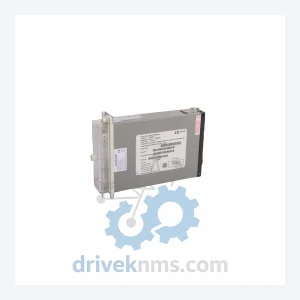
ALSTOM MVAJ105RA0802A Protection Relay – MiCOM Series
Alstom MVAJ105RA0802A is listed for MiCOM Series RFQ review. Confirm quantity, condition and destination before quotation.
RFQ-ready industrial model
Model: 211QS10533C
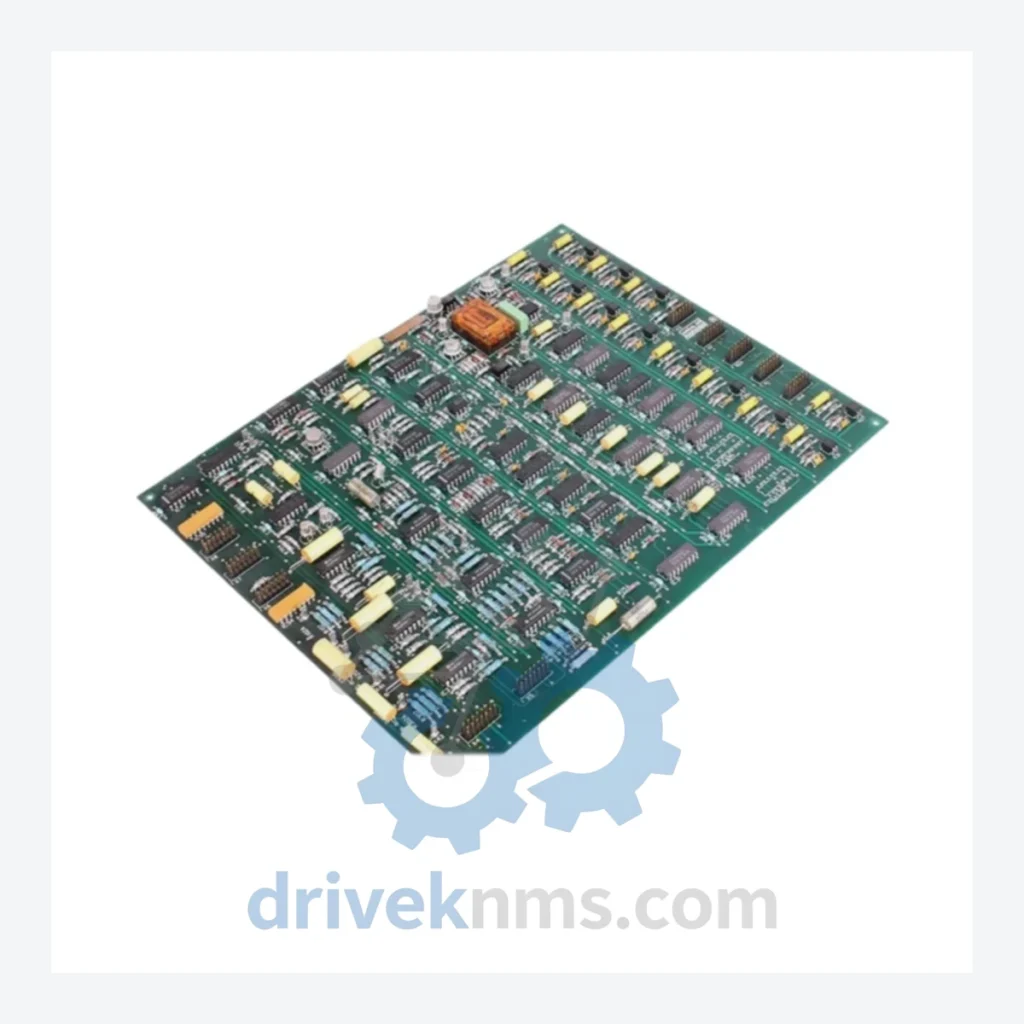
Product Overview
Commercial availability is handled through direct RFQ, model verification and export-oriented follow-up rather than public cart checkout.
Datasheet Preview
Use attached product manuals when available. If the manual is not public yet, request the full file directly through RFQ.
Commercial Path
Product pages on DRIVEKNMS are designed to verify model, brand and series first, then move the buyer into one clean quotation path.
Technical Dossier
RFQ support for obsolete parts: Send the model number, required quantity and destination so DriveKNMS can confirm sourcing options before quotation.
| Parameter | Detail |
|---|---|
| Part Number | 211QS10533C |
| Manufacturer | ATATVA |
| Product Category | I/O Module |
| Lifecycle Status | Discontinued / Obsolete |
| Form Factor | Modular rack-mount |
| Compatibility | Legacy ATATVA control system architectures |
| Condition Available | New (sealed) / Refurbished (tested) |
Note: Electrical parameters such as voltage ratings, channel count, and communication protocol are not published here to prevent specification errors. Confirmed datasheet and parameter documentation is provided upon inquiry.
The ATATVA 211QS10533C I/O module was designed for integration within ATATVA's legacy distributed control architecture. In facilities where this platform remains the backbone of process control — whether in chemical processing, power generation, water treatment, or discrete manufacturing — the module handles the physical-layer signal exchange between field instruments and the control processor. There is no firmware-compatible substitute available from current-generation product lines without a full system migration.
For plant managers operating under capital expenditure freezes or multi-year asset depreciation schedules, the practical path forward is not replacement of the entire control system — it is the strategic procurement and storage of verified spare modules. A single 211QS10533C held in reserve eliminates the risk of a weeks-long production halt caused by a component that can no longer be ordered through standard distribution channels.
Facilities that have extended the operational life of legacy ATATVA systems by 5 to 10 years beyond the manufacturer's end-of-life date have done so through a consistent approach: identify the highest-failure-risk modules within the architecture, source verified replacements while they remain available on the secondary market, and establish an internal spare parts register with defined reorder triggers. The cost of this strategy — measured in individual module procurement — is a fraction of the cost of a single unplanned shutdown, let alone a full system replacement project.
DriveKNMS applies a structured 5-step quality process to all obsolete modules before dispatch review:
Units that do not pass all five stages are not offered for sale. Condition grade (New or Refurbished) is clearly stated on the invoice and shipping documentation.
Should I buy more than one unit?
For any facility running a legacy system with no upgrade path in the near term, holding a minimum of two spare modules per critical I/O position is a standard risk mitigation practice. The cost of a second unit is negligible relative to the cost of a production stoppage while a replacement is located on the secondary market under time pressure.
Continue The Model Path
Move from this exact model into the matching system hub, brand archive, model-family archive or lifecycle sourcing route before sending a final RFQ list.
Related Paths
Alstom MVAJ105RA0802A is listed for MiCOM Series RFQ review. Confirm quantity, condition and destination before quotation.
Moore 16137-174 is listed for Servo Drives RFQ review. Confirm quantity, condition and destination before quotation.
Fuji Electric EP-3364B-CA-Z2 is listed for FRENIC Series RFQ review. Confirm quantity, condition and destination before quotation.