
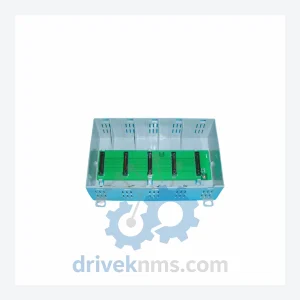
AUTONET HFRR01-PCB-V10 PCB Power Guard Module – HFRR01 Series
Autonet HFRR01-PCB-V10 is listed for HFRR01 Series RFQ review. Confirm quantity, condition and destination before quotation.
RFQ-ready industrial model
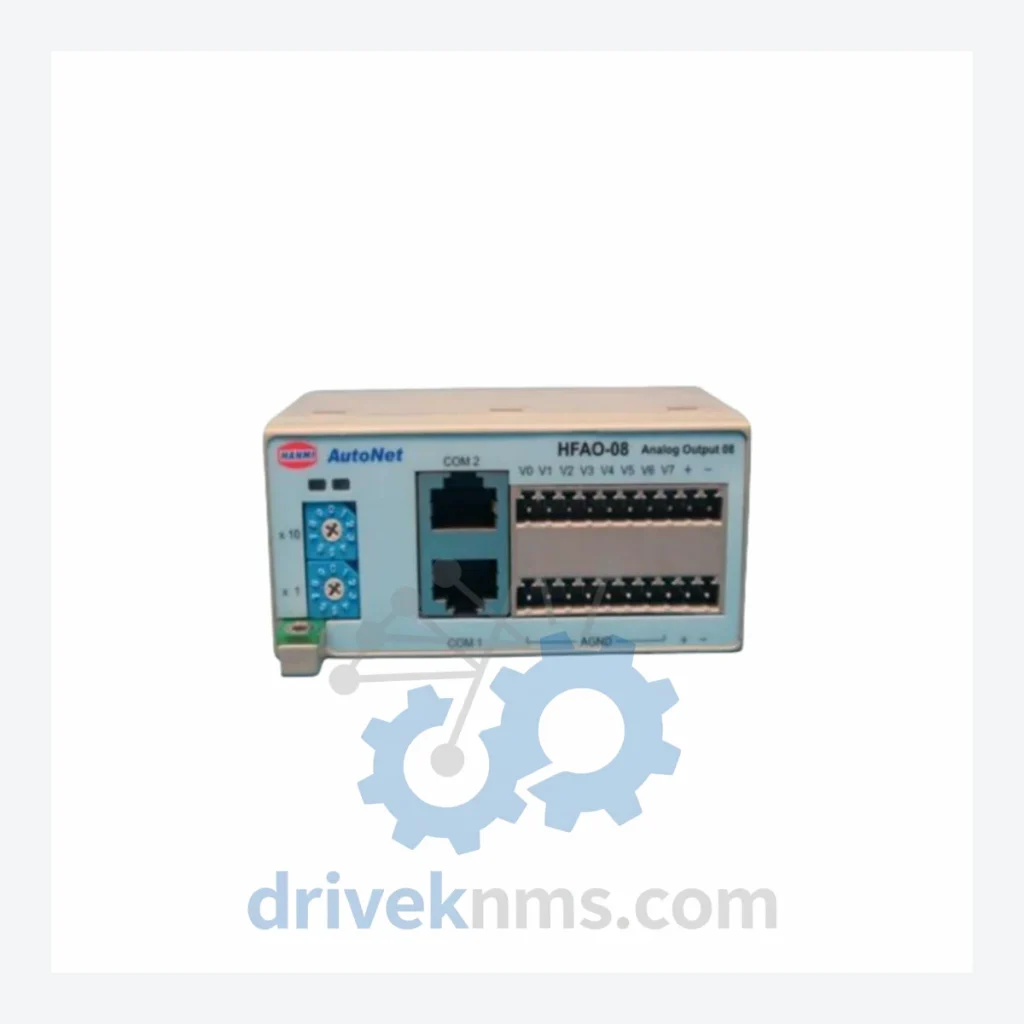
Model: HFAI-08
Product Overview
Commercial availability is handled through direct RFQ, model verification and export-oriented follow-up rather than public cart checkout.
Datasheet Preview
Use attached product manuals when available. If the manual is not public yet, request the full file directly through RFQ.
Commercial Path
Product pages on DRIVEKNMS are designed to verify model, brand and series first, then move the buyer into one clean quotation path.
Technical Dossier
RFQ support for obsolete parts: Send the model number, required quantity and destination so DriveKNMS can confirm sourcing options before quotation.
| Parameter | Detail |
|---|---|
| Manufacturer | AUTONET |
| Part Number | HFAI-08 |
| Module Type | Digital Input Module |
| Number of Input Channels | 8 |
| Product Status | Discontinued / Obsolete |
| Typical System Compatibility | AUTONET legacy DCS / PLC platforms |
| Form Factor | Rack-mount / Backplane-seated (verify against your chassis) |
| Country of Origin | Germany |
Note: Electrical parameters such as input voltage range, signal type, and scan rate are not published here to avoid inaccuracy. Confirmed specifications will be provided upon inquiry based on the specific hardware revision in your possession.
The AUTONET HFAI-08 was designed for integration into distributed control architectures where deterministic digital signal acquisition is a baseline requirement. In legacy plant environments — particularly those in continuous process industries such as petrochemical, power generation, and heavy manufacturing — this module occupies a defined slot in a backplane that cannot simply be substituted with a modern equivalent without triggering a re-engineering exercise.
The core problem with discontinued I/O modules is not the hardware itself. It is the dependency chain. The HFAI-08 communicates with a controller and HMI layer that was engineered, validated, and certified as a system. Introducing a non-native replacement module — even one with nominally equivalent specifications — requires signal mapping verification, driver compatibility testing, and in regulated industries, a formal change management process. The cost of that process frequently exceeds the cost of sourcing an original spare by a factor of ten or more.
Facilities that have maintained a strategic inventory of original AUTONET modules have consistently extended the operational life of their control systems by 5 to 10 years beyond the manufacturer's end-of-life date. This is not a workaround. It is a documented asset protection strategy practiced by maintenance engineering teams at major industrial operators globally.
How to extend your automation asset life by 5–10 years with critical spare parts:
All AUTONET HFAI-08 units supplied by DriveKNMS pass a structured 5-step quality verification process before dispatch. This process is designed specifically for obsolete and long-shelf-life industrial components where standard new-product assumptions do not apply.
How do I confirm the unit is genuine and not counterfeit?
All units are sourced through verified industrial surplus and decommissioning channels. Physical markings, board construction, and component layout are cross-referenced against known-good reference units. Customers may request pre-shipment photographs of the specific unit being supplied.
Should I purchase more than one unit?
For any AUTONET system where the HFAI-08 is installed in a critical control loop, holding a minimum of one spare on-site is standard practice. For facilities with multiple installed units or extended operational horizons, a reserve of two to three units is a reasonable position given declining secondary market availability.
Continue The Model Path
Move from this exact model into the matching system hub, brand archive, model-family archive or lifecycle sourcing route before sending a final RFQ list.
Related Paths
Autonet HFRR01-PCB-V10 is listed for HFRR01 Series RFQ review. Confirm quantity, condition and destination before quotation.
Autonet HFDI-16 is listed for Monitoring Systems RFQ review. Confirm quantity, condition and destination before quotation.
Alstom MVAJ105RA0802A is listed for MiCOM Series RFQ review. Confirm quantity, condition and destination before quotation.